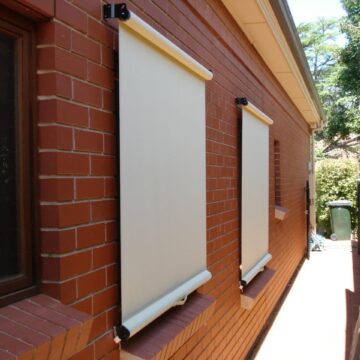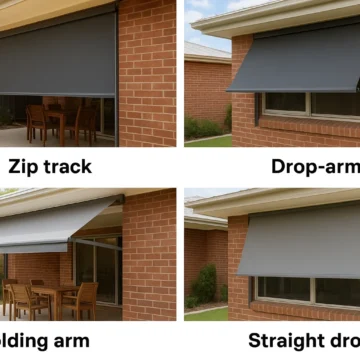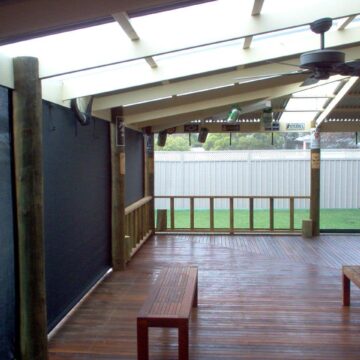
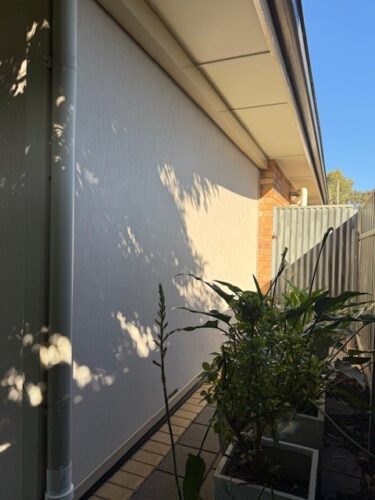
Choosing between mesh vs PVC outdoor blinds comes down to one question: what matters most to you? Both materials work brilliantly for Australian outdoor living, but they serve different purposes and suit different situations.
Mesh blinds let the breeze through while blocking UV rays. PVC blinds create a sealed barrier against wind and rain. One gives you airflow; the other gives you weather protection. Neither is objectively better, it depends entirely on your space, your climate exposure, and how you use your outdoor area.
At Classic Roller Shutters Adelaide, we’ve been manufacturing and installing outdoor blinds across Adelaide for over 40 years. We’ve fitted thousands of patios, verandahs, and alfresco areas with both mesh and PVC options. This guide breaks down the real differences between these two materials, covering pros, cons, pricing, and privacy, so you can make a confident decision for your home.
Why material choice matters for outdoor blinds
Your outdoor blind material dictates how your space performs in Adelaide’s climate extremes. The wrong choice leaves you sweating through summer afternoons or huddling indoors during winter downpours. The right material transforms your outdoor area into a usable extension of your home, regardless of weather conditions.
Material selection determines four critical factors: weather protection, airflow, visibility, and maintenance requirements. These factors work together differently in mesh versus PVC blinds. A mesh blind that keeps your alfresco cool in summer might let too much rain through during winter storms. A PVC blind that creates a weatherproof barrier might trap heat and reduce natural light. Understanding these trade-offs helps you match material to purpose and location.
“The material you choose today affects your comfort, energy bills, and maintenance costs for the next 10 to 15 years.”
How climate affects your material decision
Adelaide’s weather swings between scorching summers and wet, windy winters. Your outdoor blind material needs to handle both extremes, and mesh vs PVC outdoor blinds respond very differently to these conditions. Mesh excels when you need UV protection while maintaining airflow during hot months. PVC shines when you’re facing driving rain or strong southerly winds that would otherwise render your outdoor space unusable.
Properties facing western sun exposure benefit from mesh blinds that block up to 95% of UV rays while allowing hot air to escape. Eastern and southern aspects, which catch Adelaide’s prevailing winds and weather, often require the solid barrier that PVC provides. Coastal homes deal with salt spray and humidity, which affects material durability differently. Inland properties face dust and extreme temperature fluctuations that test material flexibility and fade resistance.
Your specific microclimate matters more than general weather patterns. A sheltered courtyard behaves differently to an exposed hilltop deck. The material that works brilliantly for your neighbour might fail in your situation because their patio faces north while yours faces south-west and cops full afternoon sun plus winter rain.
Performance expectations and real-world use
You need to think about how you actually use your outdoor space, not just how you imagine using it. Families who live outdoors year-round need different materials than those who use their alfresco area seasonally for entertaining. A PVC blind makes sense if you want to create an enclosed room that protects furniture and extends living space through winter. Mesh works better if you prioritise cross-ventilation and maintaining garden views.
Consider your tolerance for compromise. Mesh blinds let some wind through, which means papers blow off tables and candles won’t stay lit. PVC blinds can create condensation in humid conditions and trap cooking smells during barbecues. Neither material does everything perfectly, and pretending otherwise leads to buyer’s remorse six months after installation.
Long-term value and investment considerations
Your initial purchase price represents only part of the total cost. Mesh blinds typically cost less upfront but might need earlier replacement in harsh coastal conditions. PVC blinds cost more initially but often deliver longer service life in protected locations. Factor in cleaning requirements, repair likelihood, and whether the material maintains its appearance over time.
Australian sun degrades both materials eventually, but at different rates depending on quality and exposure. Budget mesh can become brittle and tear within five years. Quality mesh lasts 10 to 15 years with proper care. PVC typically outlasts mesh but loses clarity and flexibility as it ages. Cheap PVC yellows and cracks, while premium grades stay supple and clear for over a decade. Your material quality matters as much as material type when calculating long-term value.
Mesh outdoor blinds explained
Mesh outdoor blinds use woven fabric with tiny holes that block UV rays while allowing air to pass through. Think of them as a sunscreen for your outdoor area, they filter out harmful radiation and reduce heat while maintaining visibility and ventilation. The fabric consists of PVC-coated polyester threads woven tightly enough to stop most sun but loosely enough to let breezes through.
What mesh outdoor blinds are made from
The base material combines polyester threads for strength with a PVC coating for weather resistance. Manufacturers weave these coated threads into various densities, typically ranging from 85% to 95% openness. Higher density means more UV protection but less airflow and visibility. Lower density gives you better views and breeze but lets more sun through.
Quality varies dramatically across brands. Budget mesh uses thinner threads and lighter coatings that degrade quickly under Adelaide sun. Premium mesh features thicker polyester cores with UV-stabilised PVC that resists fading, cracking, and brittleness. You can feel the difference by handling samples, quality mesh feels supple and substantial, cheap mesh feels papery and stiff.
Colour affects performance as much as weave density. Darker mesh colours like charcoal and black provide better daytime privacy and reduce glare more effectively than light colours. Lighter colours like beige and white reflect more heat but offer less privacy during daylight hours. The colour you choose influences both how comfortable your space feels and how visible you are from outside.
How mesh blocks UV while maintaining airflow
Mesh works through selective filtering rather than complete blockage. The woven structure creates thousands of tiny openings that let air molecules pass through while blocking larger UV wavelengths. This filtering action reduces heat buildup because hot air escapes through the fabric instead of becoming trapped against your home’s exterior walls.
“Mesh outdoor blinds can reduce UV exposure by up to 95% while maintaining natural cross-ventilation that keeps your alfresco cool.”
When comparing mesh vs PVC outdoor blinds, airflow becomes the defining difference. Mesh allows continuous ventilation even when fully lowered, which prevents that stuffy, enclosed feeling you get with solid materials. Your outdoor area stays cooler because hot air rises and escapes through the mesh rather than creating a greenhouse effect. This ventilation also prevents moisture accumulation on windows and reduces condensation on glass surfaces during humid weather.
The trade-off comes with weather protection. Mesh stops direct sun brilliantly but offers minimal protection against wind-driven rain. Light drizzle mostly beads on the surface, but heavy rain or angled precipitation passes through the weave. Wind reduction sits around 60 to 70%, enough to make a difference but not enough to create a completely sheltered space during strong southerlies.
PVC outdoor blinds explained
PVC outdoor blinds create a solid barrier using transparent or tinted vinyl sheeting that blocks weather completely. Unlike mesh, which filters and allows airflow, PVC acts as a continuous shield against wind, rain, and cold. You get full enclosure when you need it, transforming your outdoor area into a protected room that stays usable through Adelaide’s harshest weather conditions.
What PVC outdoor blinds are made from
PVC stands for polyvinyl chloride, a plastic polymer that manufacturers extrude into flexible sheets ranging from 0.5mm to 1.5mm thickness. The material comes clear, tinted, or frosted depending on your privacy requirements and heat reduction needs. Clear PVC maintains maximum visibility and natural light while providing complete weather protection. Tinted options reduce glare and heat gain by filtering sunlight before it enters your space.
Quality determines longevity more than any other factor with PVC. Premium PVC includes UV stabilisers that prevent yellowing and maintain flexibility for over a decade. Budget PVC lacks these additives and degrades within three to five years, becoming brittle, cloudy, and prone to stress cracking around fixing points. You can identify quality PVC by its thickness, clarity, and how it feels when you flex it. Quality material stays supple and returns to shape, cheap PVC feels stiff and retains creases.
Manufacturers reinforce PVC edges with welded hems and add grommets or track systems for mounting. The reinforcement method affects durability because wind pressure concentrates stress along fixing points. Track-guided systems distribute load more evenly than rope-and-pulley installations, reducing material fatigue around eyelets and attachment points.
How PVC creates complete weather protection
PVC works through total enclosure rather than selective filtering. When you lower a PVC blind, you create an airtight seal that stops wind, rain, and dust completely. This solid barrier provides 100% weather protection but eliminates ventilation entirely. Your outdoor area becomes an extension of indoor space, protected but requiring active climate control if you want airflow.
“PVC outdoor blinds transform exposed outdoor areas into weatherproof rooms, blocking 100% of rain and wind while maintaining clear views.”
Temperature regulation becomes critical with PVC enclosures. Clear PVC transmits sunlight and creates a greenhouse effect during warm weather, potentially making your space hotter than leaving it open. Tinted PVC reduces this heat gain by absorbing or reflecting solar radiation before it enters your outdoor area. You need to consider whether you’ll use heating or cooling in the enclosed space, because PVC prevents natural temperature moderation through airflow.
When weighing mesh vs PVC outdoor blinds for weather protection, PVC wins decisively. You get complete shelter from horizontal rain, driving wind, and airborne debris. Your outdoor furniture stays dry, electronics remain protected, and you can use the space year-round regardless of conditions outside. The cost comes through reduced ventilation and potential heat buildup, making PVC ideal for cooler months or climate-controlled outdoor rooms rather than summer shade solutions.
Mesh vs PVC: side-by-side comparison
Understanding the practical differences between mesh vs PVC outdoor blinds requires looking at how each material performs in real situations. Both materials deliver specific benefits, but they solve different problems and suit different outdoor environments. Your choice depends on which performance characteristics matter most for your particular space and how you plan to use your outdoor area throughout the year.
Direct comparison by feature
The table below shows how mesh and PVC stack up across critical performance factors that affect daily use and long-term satisfaction.
| Feature | Mesh | PVC |
|---|---|---|
| UV protection | 85-95% blockage | 100% blockage (clear), higher with tint |
| Airflow | Continuous ventilation | Zero airflow when closed |
| Rain protection | Light rain only | Complete protection |
| Wind reduction | 60-70% reduction | 100% wind blocking |
| View retention | Filtered but clear | Crystal clear (unless tinted) |
| Daytime privacy | Good with dark colours | None with clear, high with tint |
| Heat reduction | Excellent through ventilation | Variable, can trap heat |
| Condensation risk | Minimal | Moderate to high |
These differences affect comfort and usability in measurable ways. Mesh maintains natural temperature regulation through constant airflow, while PVC creates an enclosed environment that requires active climate management during warm weather.
“The right blind material transforms an unusable outdoor space into your favourite room, the wrong choice leaves you pulling blinds up within minutes of lowering them.”
Best use scenarios for each material
Mesh outdoor blinds work brilliantly when you need sun protection without sacrificing breeze and natural cooling. Your west-facing alfresco that bakes in afternoon sun benefits from mesh because it blocks harmful UV radiation while letting hot air escape upward through the weave. Outdoor dining areas, entertaining spaces, and summer living zones perform better with mesh because you maintain comfortable airflow without creating that stuffy, enclosed feeling. Coastal properties with constant sea breezes also suit mesh better because you get wind reduction without completely blocking the cooling ocean air.
PVC outdoor blinds excel when weather protection trumps ventilation needs. Your exposed southern patio that catches driving rain and winter southerlies needs PVC’s complete barrier to remain usable during bad weather. Outdoor rooms with heating systems or ceiling fans work better with PVC because you can control temperature actively rather than relying on natural airflow. Properties in dusty locations or near busy roads benefit from PVC’s total seal against airborne particles. Winter entertaining spaces, protected furniture zones, and outdoor areas you want to use year-round regardless of conditions all favour PVC’s weatherproof enclosure over mesh’s filtered protection.
Prices in Australia: what affects cost
Outdoor blind pricing varies dramatically based on material quality, size, and installation complexity. Expect to pay between $200 and $800 per square metre for professionally installed mesh or PVC blinds in Adelaide. Budget installations using basic materials and simple track systems sit at the lower end, while premium systems with automated controls and superior materials reach the upper range. Your total cost depends on multiple factors beyond just material choice when comparing mesh vs PVC outdoor blinds.
Material and quality grades
Mesh blind prices start from $200 per square metre for entry-level fabrics with basic rope-and-pulley systems. Mid-range mesh with better UV stabilisation and track-guided operation costs $350 to $500 per square metre installed. Premium mesh featuring heavy-duty construction, superior fade resistance, and motorised controls reaches $600 to $800 per square metre. You get what you pay for with mesh, cheap fabric deteriorates within three to five years while quality material lasts over a decade.
PVC blind pricing follows a similar pattern but typically costs $50 to $100 more per square metre than equivalent mesh installations. Clear PVC starts around $250 per square metre for basic fixed installations. Track-guided PVC systems with reinforced edges and quality fixtures cost $400 to $600 per square metre. Premium installations featuring thick, UV-stabilised PVC with motorised operation and wind sensors reach $700 to $900 per square metre. Material thickness affects pricing significantly, 0.5mm PVC costs less than 1.0mm or 1.5mm options but offers shorter lifespan and reduced wind resistance.
“Spending an extra $100 per square metre on quality material and proper installation typically delivers five to seven additional years of service life.”
Installation complexity and labour costs
Your installation environment affects labour charges substantially. Standard rectangular openings with clear access and straightforward mounting points represent the baseline price. Irregular shapes, high installations requiring scaffolding, or difficult access areas add $200 to $500 to total project costs. Corner installations and multi-panel configurations increase complexity and labour time, pushing prices toward the upper range regardless of material choice.
Motorisation adds $500 to $1,200 per blind depending on motor quality and control system. Basic electric motors with wall switches sit at the lower end. Smart home integration, remote controls, and wind sensors push costs higher but deliver convenience and automated weather protection. You need to factor in ongoing costs too, motorised systems require occasional maintenance and eventual motor replacement, typically adding $300 to $500 every 10 to 15 years to your total ownership cost.
Privacy, views and light control
Your outdoor blind material determines how visible you are to neighbours and passersby while affecting how much natural light enters your home. Privacy needs change throughout the day and across seasons, making material selection critical for comfortable outdoor living. When evaluating mesh vs PVC outdoor blinds, you need to consider daytime privacy, night-time visibility, and how each material affects light quality in adjacent indoor rooms.
How each material handles daytime privacy
Mesh outdoor blinds provide one-way privacy during daylight hours through a screening effect similar to tinted car windows. People outside see a dark or coloured surface while you maintain clear outward views from inside your shaded space. Darker mesh colours like charcoal and black deliver superior privacy because they reduce the contrast between bright exterior and darker interior, making it harder for outside observers to see through the weave. Light-coloured mesh like beige or white offers less privacy because the brighter surface shows more interior detail when viewed from outside.
Privacy effectiveness depends on light differential between your space and the outside area. Bright afternoon sun hitting mesh from outside creates strong privacy while you sit in relative shade behind the blind. Overcast conditions reduce this effect because light levels equalise, making your movements and presence more visible through the fabric. Distance matters too, mesh provides excellent privacy from casual passersby on footpaths but might not screen you adequately from neighbouring second-storey windows with direct sightlines into your outdoor area.
PVC outdoor blinds deliver zero daytime privacy when using clear material because transparent vinyl acts like glass, providing unobstructed views in both directions. You see out perfectly but neighbours and pedestrians see in equally well. Tinted or frosted PVC changes this dynamic completely, offering high privacy while still allowing natural light transmission. Frosted PVC works like bathroom glass, transmitting light while obscuring detail and preventing clear views from either direction.
“Clear PVC gives you crystal-clear views but zero privacy, while dark mesh lets you see out clearly while preventing others from seeing in during daylight hours.”
Night-time visibility and lighting considerations
Artificial lighting reverses privacy dynamics completely after dark. Interior lights make mesh outdoor blinds virtually transparent from outside while obscuring your outward views, exactly opposite to daytime performance. Every light you turn on in your enclosed space or adjacent rooms increases exterior visibility into your private areas. Dark mesh that provided excellent daytime screening becomes ineffective once interior lighting exceeds exterior light levels.
PVC blinds maintain consistent privacy regardless of lighting conditions when using frosted or tinted materials. Clear PVC continues offering zero privacy day or night, acting as transparent barriers that reveal everything inside your lit outdoor space. Installing dimmers and directional lighting helps manage night-time exposure with both materials, keeping light levels low reduces visibility through mesh while downlighting rather than uplighting minimises the illuminated backdrop that makes activities visible from outside.
Light control and glare management
Mesh blocks direct sunlight while maintaining ambient light levels that keep your outdoor area bright and welcoming. The filtered light passing through mesh reduces harsh glare on screens and windows without creating that dim, enclosed feeling you get with solid barriers. Mesh allows your eyes to adjust naturally because light levels stay relatively consistent as you move between indoor and outdoor spaces.
PVC controls light through reflection and transmission rather than filtering. Clear PVC lets almost all light through, potentially creating glare and heat issues during bright conditions. Tinted PVC absorbs solar energy, reducing both light transmission and heat gain but making your space noticeably darker than mesh alternatives. Your furniture and floor finishes stay protected from UV fading behind both materials, though PVC’s complete barrier offers superior protection for valuable outdoor furnishings.
Maintenance and lifespan
Your outdoor blind material dictates how much time you spend on maintenance and how long your blinds last before needing replacement. Both mesh and PVC require regular cleaning to maintain appearance and function, but they demand different care approaches and deliver different service lives. Understanding these maintenance requirements helps you calculate true ownership costs when comparing mesh vs PVC outdoor blinds for your Adelaide property.
Cleaning requirements for each material
Mesh outdoor blinds accumulate dust, pollen, and airborne debris in their woven structure, requiring regular cleaning to prevent buildup that blocks airflow and reduces UV protection. You need to hose down mesh blinds every three to six months using gentle water pressure from a garden hose, working from top to bottom to flush trapped particles through the weave. Stubborn marks respond to soft brush scrubbing with mild detergent and water, but you must avoid high-pressure washers that damage the fabric and coating. Annual deep cleaning keeps mesh looking fresh and functioning properly, taking roughly 15 to 30 minutes per blind depending on size and grime accumulation.
PVC blinds show dirt more obviously than mesh because their smooth surface displays water marks, dust streaks, and hand prints clearly. You need to wipe down PVC monthly using a soft cloth and soapy water to maintain clarity and prevent film buildup that clouds the material. Clear PVC requires more frequent cleaning than tinted versions because every mark and streak shows prominently against transparent backgrounds. Salt spray in coastal areas creates white deposits on PVC that require immediate removal to prevent permanent staining, making seaside properties more maintenance-intensive than inland locations.
“Regular cleaning extends blind lifespan by 30 to 50% compared to neglected installations, making maintenance time a worthwhile investment.”
Expected lifespan and replacement indicators
Quality mesh outdoor blinds last 10 to 15 years in protected locations with proper maintenance, while cheaper fabrics deteriorate within five to seven years under constant sun exposure. You’ll know mesh needs replacement when the fabric becomes brittle and tears easily, colours fade significantly, or the weave loosens and sags between mounting points. Coastal installations face shorter lifespans due to salt corrosion affecting hardware and UV degradation accelerated by reflected sunlight off water surfaces.
PVC outdoor blinds typically deliver 12 to 18 years of service when you choose quality materials and maintain them properly. Replacement becomes necessary when clear PVC yellows noticeably, develops stress cracks around fixing points, or loses flexibility and won’t roll smoothly. Premium UV-stabilised PVC outlasts budget options by five to eight years, making the higher initial investment worthwhile for long-term value. Track systems and mounting hardware often outlast the blind material itself, allowing you to replace worn PVC or mesh without completely reinstalling the entire system.
Picking the right option
Your decision between mesh vs PVC outdoor blinds hinges on whether you prioritise airflow or weather protection. Choose mesh when you need UV blocking and ventilation for summer living areas. Select PVC when complete weather sealing matters more than natural breeze, particularly for winter entertaining or exposed locations.
Consider your climate exposure first. West-facing spaces baking in afternoon sun benefit from mesh’s heat-reducing ventilation. Southern aspects catching driving rain and cold winds need PVC’s total barrier. Your budget affects material quality more than material type, investing in premium grades delivers years of additional service regardless of which option you choose.
Both materials perform brilliantly when matched correctly to your situation. Classic Roller Shutters Adelaide manufactures and installs quality outdoor blinds across Adelaide, with over 40 years of experience helping homeowners choose the right solution. Contact us for a free in-home consultation and we’ll assess your space, discuss your needs, and provide honest recommendations based on how you actually use your outdoor area.