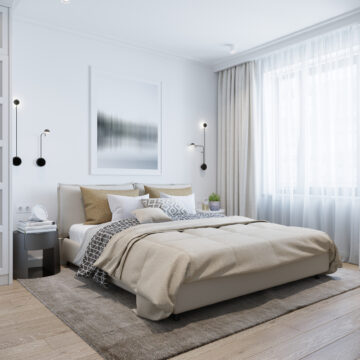
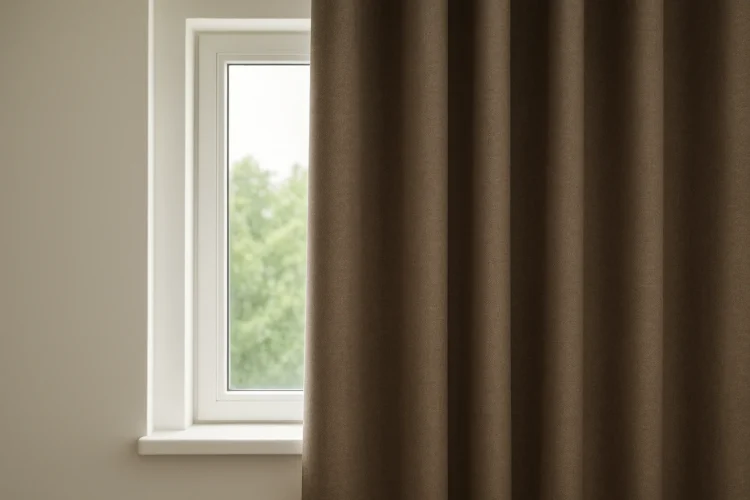
You’ve probably noticed the difference between a hotel room with proper curtains and your own bedroom at 6am when the sun comes streaming through. That gap comes down to fabric, and blockout curtains are usually the answer. If you’ve been searching for a way to sleep past dawn, keep a home theatre dark, or stop a west-facing lounge room from turning into an oven every afternoon, you’re in the right place.
So what are they, exactly? Blockout curtains use a tightly woven or specially coated fabric that stops light passing through, rather than just softening it the way sheers or standard curtains do. Some styles have a dedicated blockout lining stitched to the back of a decorative fabric, giving you the look you want on the outside and full light control on the inside.
In this guide, we’ll walk through how blockout fabric actually works, how it differs from blackout curtains and standard block-out roller shutters, and what to look for when you’re comparing options. We’ll also cover where to buy blockout curtains in Adelaide and South Australia, including made-to-measure options if your windows are an unusual size or shape.
Why blockout curtains matter for your home
Adelaide summers push 40°C plus for days at a time, and a west-facing window without proper coverage turns a lounge room into a greenhouse by 3pm. Blockout curtains solve a handful of everyday problems at once: they cut glare, hold heat outside in summer, keep warmth inside in winter, and give you real privacy after dark without switching on every light. That combination is why they’ve become the default choice for Adelaide bedrooms, home theatres, and any room that faces west or north.
Sleep quality and shift work
Sunlight tricks your body into staying alert, so a bedroom that lets in dawn light will wake you earlier than you’d like, whether you’re a shift worker sleeping through the day or a parent trying to keep toddlers down past 6am. Blockout curtains remove that light entirely, which is why they’re often the first upgrade people make when they move into a new build with standard curtains or thin blinds.
A dark room isn’t a luxury, it’s the single easiest change you can make for better sleep.
Energy savings through the seasons
Windows are the weakest point in most homes for heat transfer, and a heavy blockout fabric acts as an extra layer of insulation against both summer heat and winter cold. The Australian Government’s energy guidance confirms that improving window coverings is one of the most cost-effective ways to reduce heating and cooling bills, and Adelaide households running air conditioning through six months of the year notice the difference on their power bill within the first quarter (see energy.gov.au for more on window treatments and household energy use).
Privacy, noise, and everyday comfort
Beyond temperature, blockout curtains give you privacy that sheers simply can’t. Nobody walking past your front window at night can see silhouettes through a well-fitted blockout panel, and the dense weave also dampens street noise, which matters if you’re on a busy road or near the airport flight path. A few other everyday benefits worth knowing:
- UV protection for furniture, flooring, and artwork that fades in direct sun
- Reduced glare on televisions and computer screens during the day
- Lower reliance on air conditioning, since less heat gets into the room in the first place
- A neater, more finished look compared with mismatched blinds and sheers layered together
For a home theatre room, blockout is close to essential. For a nursery or a shift worker’s bedroom, it’s the difference between a room that works for you and one you’re constantly fighting against.
How blockout curtains work to block light and heat
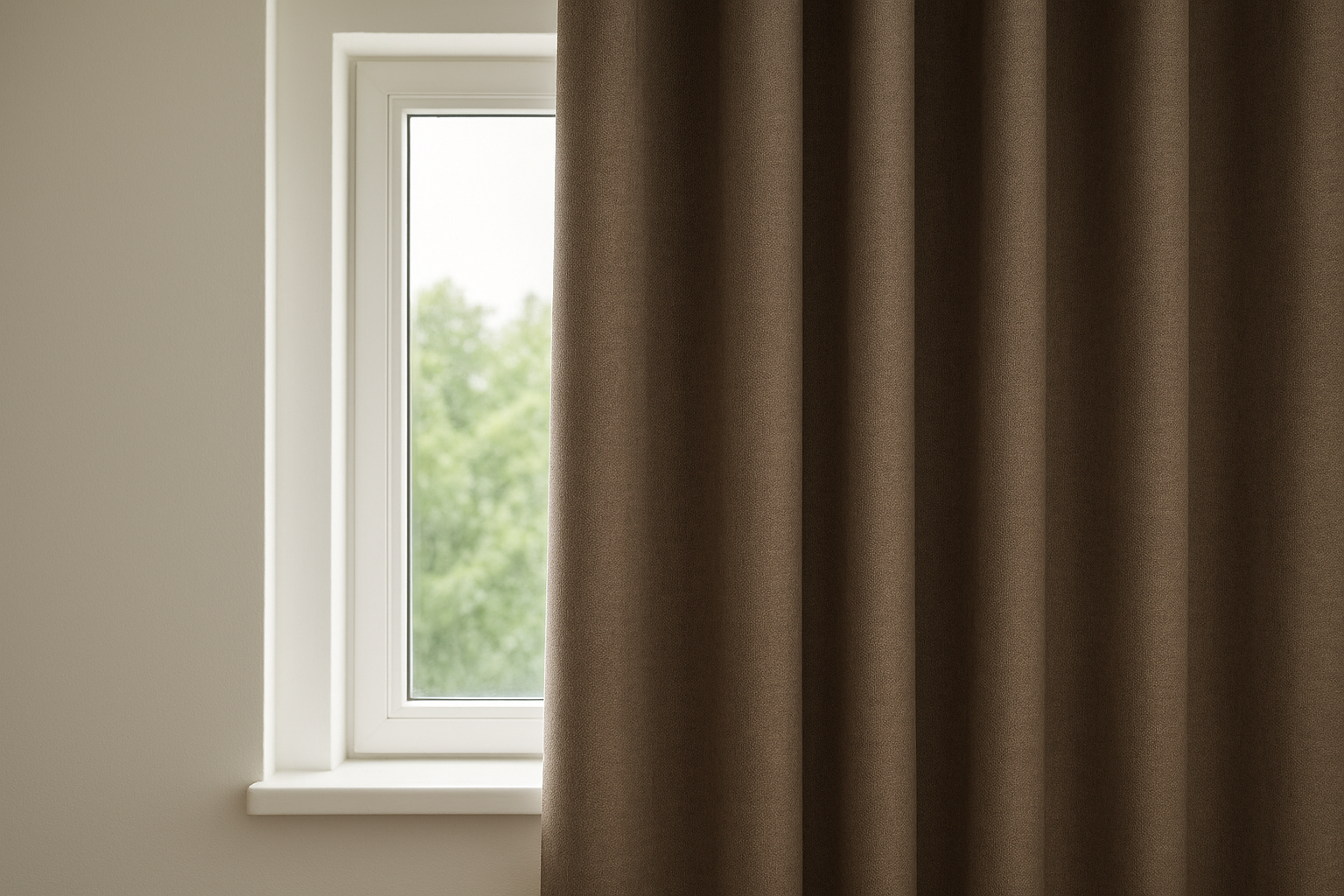
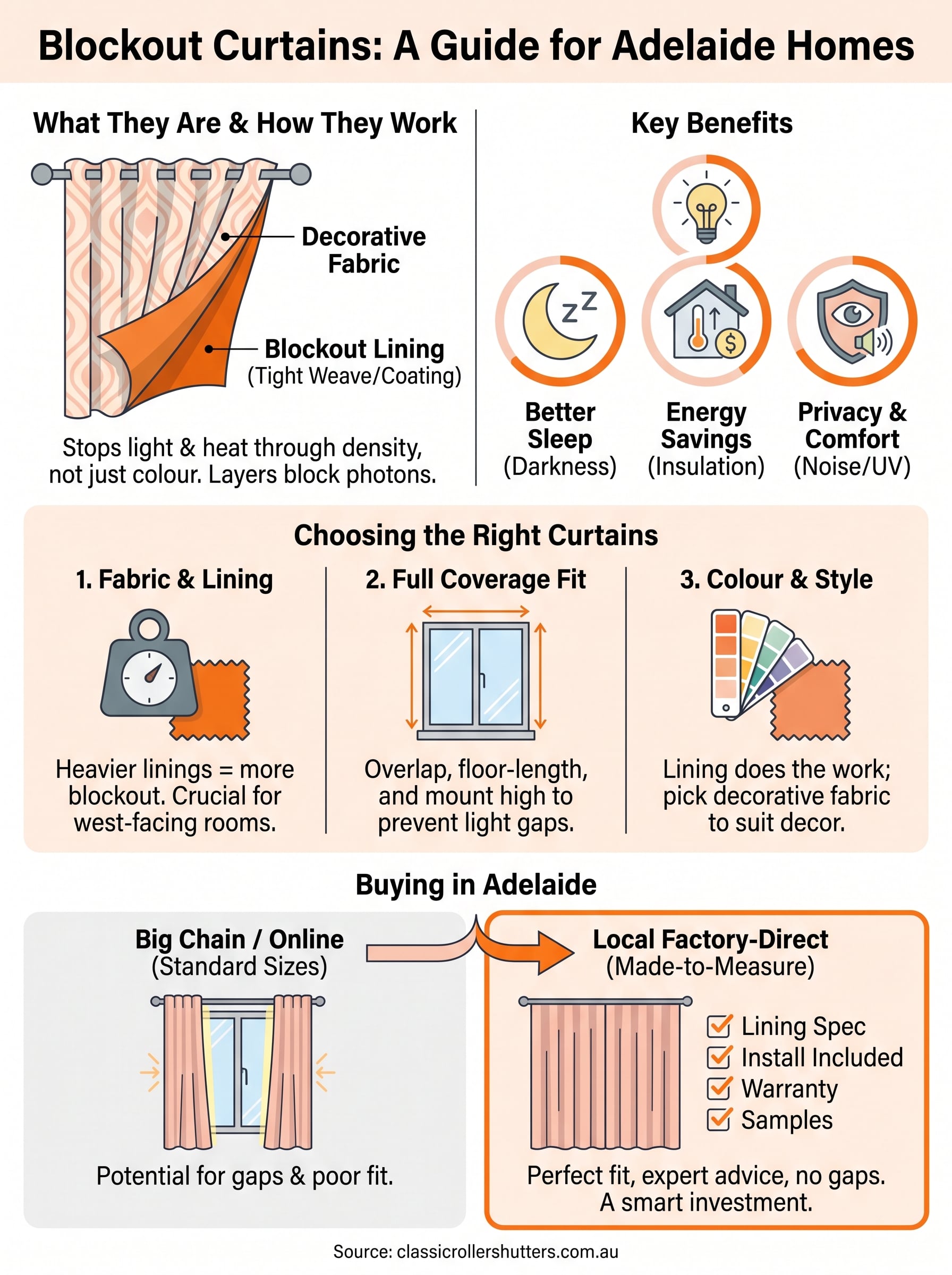
Blockout fabric does its job through density, not colour. Manufacturers weave multiple layers of yarn so tightly, or bond a foam or acrylic coating to the back of the fabric, that light photons simply can’t pass through the gaps. Standard curtains let a soft glow through even in a dark shade, but a true blockout weave stops close to 100% of direct light, which is why the difference is so obvious the first morning you wake up in a room fitted with them.
The layers that make it work
Most blockout curtains sold in Adelaide use a three-pass or foam-backed lining stitched behind the decorative face fabric. The decorative layer gives you the colour and texture you picked out, while the lining behind it does the heavy lifting on light and heat control. This layered approach also adds thermal mass to the window, which is why blockout curtains perform noticeably better than a single sheet of thick fabric on its own.
The lining does the work, the fabric on the front just makes it look good.
Blockout vs blackout vs standard curtains
People use “blockout” and “blackout” interchangeably in Australia, and for home use they mean roughly the same thing. Commercial blackout, used in cinemas and photography studios, aims for total darkness and often adds a black inner layer you’d never see in a lounge room. Here’s how the three compare:
| Type | Light blocked | Typical use |
|---|---|---|
| Standard curtains | 20-40% | Living areas, softening light |
| Blockout curtains | 90-99% | Bedrooms, home theatres, west-facing windows |
| Commercial blackout | Near 100% | Cinemas, studios, night-shift rooms |
For almost every Adelaide home, a good blockout curtain gets you all the practical benefit without the heavier commercial-grade fabric.
How to choose the right blockout curtains for your room
Getting the right result means matching the fabric, fitting, and colour to how you actually use the room. A nursery has different needs to a home theatre, and a rental property has different constraints to a new build where you’re choosing floor plans months in advance. Working through a few practical questions before you buy saves you from a curtain that looks great but doesn’t do the job you needed.
Check the fabric weight and lining
Not all blockout fabric performs the same. Heavier three-pass linings block more light and add more insulation than lighter foam-backed options, so a west-facing bedroom deserves the heaviest fabric you can find, while a north-facing living room might get away with something lighter. Ask any supplier for the lining specification, not just the decorative face fabric, because that’s where the real performance sits.
The fabric on the front sells the curtain, but the lining on the back is what you’re actually paying for.
Measure for full coverage
Light sneaks in around the edges of a curtain far more often than through the fabric itself, so width and drop matter as much as the fabric. A few rules worth following:
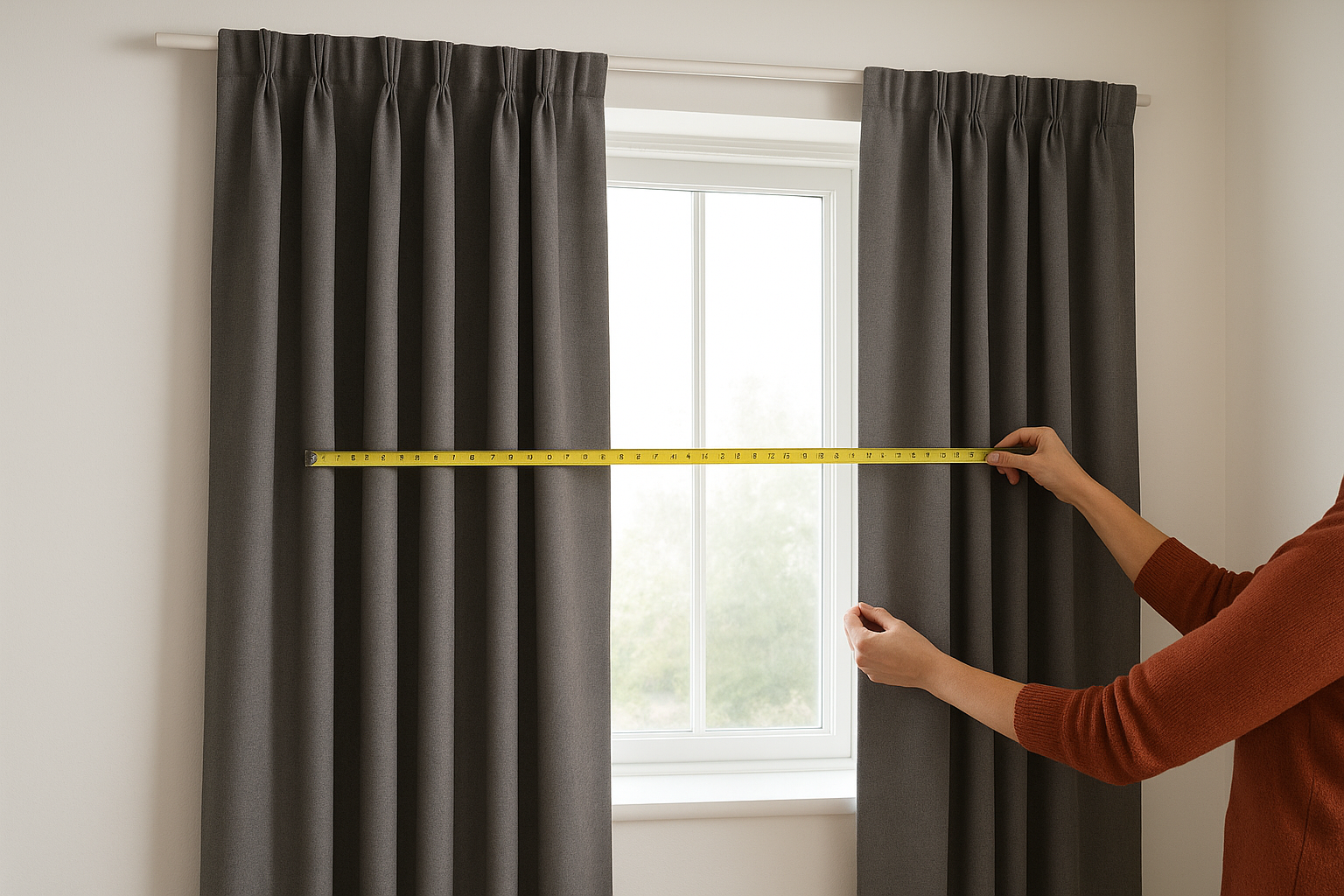
- Curtains should extend at least 15cm past each side of the window frame
- Panels should overlap in the middle by 5-10cm when closed
- Length should reach the floor or windowsill, never stop short
- Track or rod should sit close to the ceiling to stop light spilling over the top
Pick a colour that suits the room
Darker fabrics generally block slightly more light than pale ones, but a well-made lining does most of the work regardless of colour. Choose a shade that suits your décor first, then confirm the lining specification matches your light control needs.
Where to buy blockout curtains in Adelaide
Adelaide shoppers have three real options for blockout curtains: big chain department stores, online-only retailers, or a local factory-direct manufacturer. Chain stores offer convenience but usually sell fixed sizes, so if your windows don’t match a standard drop you’re stuck with gaps or expensive alterations. Online retailers can be cheaper upfront, but you’re measuring your own windows and guessing at fabric weight from a photo, which is risky for a purchase you’ll live with for years.
Off-the-shelf sizing is fine until your window isn’t a standard size, and then it costs you twice.
Factory-direct means better fit and pricing
Buying made-to-measure curtains from a local factory cuts out the markup you’d pay at a retail showroom while still getting a proper fit. Classic Roller Shutters manufactures window coverings in Adelaide and offers free in-home consultations, so a team member measures your actual windows and talks through fabric and lining options on the spot. That’s particularly useful for new builds, where you can get a quote straight from the floor plan before the house is even finished, or for older Adelaide homes with windows that don’t match modern standard sizes. Head to the Classic Roller Shutters showroom to see fabric samples in person before you commit.
What to check before you order
Whichever supplier you choose, run through the same checklist so you’re not caught out later:
- Ask for the lining specification, not just the face fabric colour
- Confirm whether measuring and installation are included in the price
- Check turnaround time, especially if you’re working to a moving date
- Ask about warranty on both fabric and hardware
- Request a fabric sample before ordering full panels
A supplier who answers all five without hesitation is usually one worth trusting with the job.
Finding the right curtains for your space
Blockout curtains earn their place in an Adelaide home by solving several problems at once: better sleep, lower power bills, more privacy, and a room that actually looks finished. The fabric and lining you choose matter more than the price tag on the swing tag, and a proper fit beats a bargain that leaves gaps around the edges. Getting the measurements right and matching the lining to your room’s orientation are the two decisions that separate curtains you love from ones you tolerate.
If you’re weighing up standard sizes against something made to measure, start with a supplier who’ll come to you, measure the actual windows, and show you fabric samples in person rather than on a screen. Book a free in-home consultation with Classic Roller Shutters and get blockout curtains fitted properly the first time.