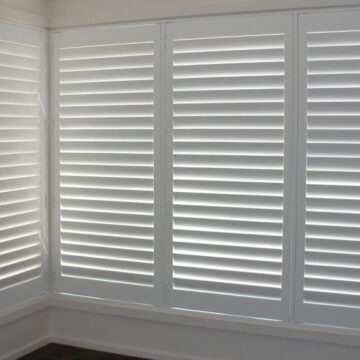
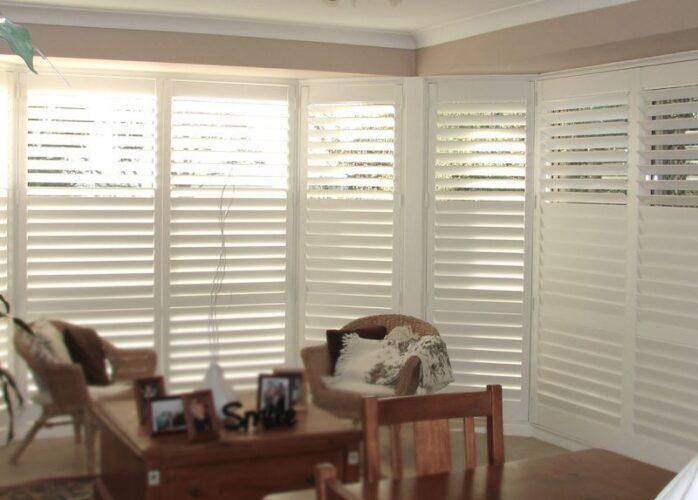
Plantation shutters are interior window coverings with wide horizontal louvres that tilt to control light and privacy. Unlike traditional shutters with narrow slats, plantation shutters feature louvres typically 63mm to 114mm wide, mounted within a solid frame that attaches to your window recess or architrave. You operate them by adjusting a tilt rod or touch tilt system to angle the louvres, or swing open the panels for full window access. They work in any room and suit both heritage homes and modern builds.
This guide walks you through everything you need to know before installing plantation shutters. You’ll learn why they remain a popular choice for Australian homes, how to select the right material for different rooms, and what opening styles work best for your windows. We’ll also explain the key differences between plantation and traditional shutters, plus share practical maintenance tips to keep your investment looking sharp for decades. Whether you’re renovating or building new, you’ll finish with clarity on whether plantation shutters suit your home.
Why plantation shutters are a timeless choice
Plantation shutters have remained popular in Australian homes for over a century because they solve practical problems while adding lasting value. You get precise control over light and privacy, plus a look that complements both period homes and contemporary builds. Unlike fabric blinds that fade or plastic alternatives that crack, plantation shutters maintain their appearance and function for decades without replacement. They deliver benefits that go beyond aesthetics, making them a smart choice for homeowners who value both form and function.
They increase your property value
Real estate agents consistently report that plantation shutters add measurable appeal to property listings. Buyers notice them during inspections because they signal quality and low maintenance. You can expect to recoup a significant portion of your investment when you sell, as shutters are considered a permanent fixture rather than a decorative accessory. They photograph well in listing photos and help rooms appear larger and more polished. Properties with plantation shutters often spend less time on the market compared to similar homes with basic blinds or curtains.
They adapt to any design style
You’ll find plantation shutters work across every architectural style from Victorian terraces to minimalist new builds. Their clean lines suit modern interiors, while their traditional construction fits heritage properties without looking out of place. The neutral palette of white, cream, or natural timber means they won’t clash with future colour schemes if you redecorate. Designers appreciate this versatility because shutters provide a consistent look throughout multi-storey homes while allowing each room to have distinct furnishings. When you’re wondering what are plantation shutters best suited for, the answer is genuinely any room where you want a polished, adaptable window treatment.
They outlast other window coverings
Roller blinds typically need replacement after five to eight years, while quality plantation shutters can last 25 years or more with basic care. You avoid the ongoing expense of replacing worn fabric or broken mechanisms that plague cheaper alternatives. The solid construction resists warping, and the louvres maintain smooth operation even in high-traffic areas where children and pets might otherwise damage delicate window treatments. Shutters don’t collect dust like fabric curtains, so they stay cleaner between maintenance sessions. This durability makes them particularly valuable in rental properties where landlords want to minimise replacement costs.
Shutters deliver the rare combination of elegance and practicality that few window coverings can match over the long term.
They offer superior light control and privacy
The wide louvres give you precise adjustment options that blinds and curtains can’t replicate. You can angle them to let morning light flood your kitchen while blocking direct glare on screens, then tilt them for complete darkness at night. This flexibility matters in bedrooms where you need blackout conditions for sleep but want natural light during the day. Shutters also provide instant privacy when you close the louvres, yet you can still enjoy airflow and diffused light by angling them partially open. You control exactly how much of the outside world enters your space, hour by hour, without touching multiple cords or adjusting heavy fabric panels.
How to choose the right material for your room
Your choice of shutter material determines how well they perform in specific environments and how long they last. Each room in your home presents different challenges from humidity levels to temperature fluctuations, so matching the right material to each space protects your investment. When people ask what are plantation shutters made from, the answer varies because PVC, timber, and aluminium each excel in different conditions. You’ll get the best results by selecting material based on where you’re installing them rather than picking one type for your entire home.
PVC shutters for wet areas
Bathrooms and kitchens need shutters that handle moisture without warping. PVC plantation shutters resist humidity completely, so they won’t swell, crack, or develop mould like timber alternatives would in these spaces. You can wipe condensation off PVC louvres without damaging the finish, and they maintain their shape even with daily steam exposure from hot showers. Laundries and ensuites benefit from the same moisture resistance. The material also costs less than timber while delivering similar aesthetics in white or cream finishes, though it doesn’t offer the same range of stain options if you prefer natural wood tones.
PVC shutters give you the look of painted timber without the maintenance headaches in high-moisture rooms.
Timber shutters for living spaces
Living rooms, bedrooms, and dining areas showcase timber shutters at their best. The natural grain adds warmth that PVC can’t replicate, and you can choose from stained or painted finishes to match your interior scheme. Timber works well in climate-controlled rooms where humidity stays relatively stable, as it’s more sensitive to extreme moisture changes than synthetic options. Cedar and basswood are popular choices in Australia because they’re lightweight yet durable, making them suitable for larger window panels. You’ll notice timber feels more substantial when you operate the louvres, and it absorbs sound better than PVC, which helps with noise control in busy households.
Aluminium shutters for external use
Outdoor areas and exposed windows need aluminium construction to withstand harsh Australian weather. These shutters resist rust, fading, and insect damage that would compromise other materials in exterior applications. Covered patios, balconies, and windows that face intense afternoon sun all benefit from aluminium’s durability. You can powder-coat them in various colours to match your home’s exterior, and they won’t require repainting like timber shutters would after years of sun exposure. Aluminium handles wind better than PVC because it’s stronger, making it the practical choice for elevated apartments or coastal properties where salt air would corrode lesser materials within a few years.
Understanding different shutter opening styles
The way your plantation shutters open and close affects both their visual impact and practical function in each room. You can choose from several configurations that determine which parts of your window you control independently. The right opening style depends on your window size, privacy needs, and how much flexibility you want with light control. When exploring what are plantation shutters capable of in terms of design options, the opening style creates the biggest difference in how you use them daily.
Full height shutters for simplicity
Full height shutters cover your entire window in one continuous panel from top to bottom. You operate all the louvres together with a single tilt rod, which makes them the simplest option to use and maintain. These work best on standard windows where you don’t need separate control of upper and lower sections. They suit bedrooms and living rooms where you typically want the whole window either open or closed rather than partial coverage. Full height panels create a clean, uninterrupted look that appeals to minimalist interiors, and they cost less than split configurations because they require fewer components.
Tier-on-tier shutters for flexibility
Tier-on-tier systems divide your window into separate top and bottom sections that operate independently. You can close the bottom louvres for privacy while keeping the top section open to let natural light in, which makes them ideal for street-facing rooms or bathrooms. This configuration gives you the most control options throughout the day without sacrificing privacy. The split design suits tall windows where full height panels would feel too imposing when completely closed. You’ll pay more for tier-on-tier shutters because they require double the hardware, but the added flexibility justifies the cost in high-traffic rooms where you adjust settings frequently.
Tier-on-tier shutters let you balance privacy and light in ways that single-panel systems simply can’t match.
Café style for character spaces
Café shutters cover only the bottom half of your window, leaving the top section completely open. This style originated in European cafés where owners wanted privacy from street level while maintaining bright interiors. You get permanent natural light from the upper window while controlling privacy and airflow through the lower shutters. They work particularly well in period homes, kitchens, and dining rooms where you want to preserve architectural details like decorative glass in the upper panes. Café shutters suit ground floor rooms facing gardens or quiet streets where you don’t need complete light blocking.
The difference between plantation and traditional shutters
The main distinction between plantation and traditional shutters comes down to louvre width and the spaces you’d typically install them in. Traditional shutters feature narrow slats measuring 19mm to 47mm wide, while plantation shutters use wider louvres ranging from 63mm to 114mm. This size difference changes how they look, how much light they control, and which architectural styles they complement. Understanding what are plantation shutters compared to their traditional counterparts helps you choose the right option for your home’s character and your practical needs.
Louvre width sets them apart
Traditional shutters pack more slats into the same window height because each louvre takes up less vertical space. You’ll count 15 to 20 narrow slats on a standard window where plantation shutters would have only 6 to 8 wide louvres. The narrower slats create a busier visual pattern that suits formal interiors and period homes. Plantation shutters provide cleaner sight lines when tilted open because their wider louvres leave larger gaps between each slat. You’ll notice traditional shutters block slightly more light when fully closed due to the overlap of more numerous slats, though the difference becomes minimal in quality installations.
Plantation shutters let you see more of the outside view when the louvres are open, while traditional shutters frame your window with more horizontal lines.
Traditional shutters suit heritage properties
Colonial and Victorian homes often look more authentic with traditional narrow-slat shutters because that’s what builders originally installed in those periods. The proportions match heritage window frames better, and they maintain historical accuracy if you’re restoring a property to period specifications. Traditional shutters work particularly well on smaller windows where plantation shutters’ wide louvres would leave you with only three or four slats total, which can look awkward. You’ll find traditional styles more common in compact spaces like bathroom windows or sidelights flanking entry doors.
Visual impact and room perception
Plantation shutters make rooms feel larger and more open because their wide louvres create horizontal planes that draw the eye across rather than down. The minimal number of slats reduces visual clutter compared to traditional shutters with their multiple narrow divisions. You get a contemporary, streamlined appearance that works in modern builds and updated older homes. Traditional shutters create more texture and detail, which adds character to formal dining rooms or studies where you want richness rather than simplicity. The choice affects whether your windows become a bold architectural feature or a subtle background element.
How to maintain your shutters for longevity
Plantation shutters need minimal upkeep compared to fabric window coverings, but regular maintenance extends their life significantly. You’ll spend less than an hour every few months keeping them in perfect condition, which protects your investment and maintains their appearance. The right care routine prevents common issues like stuck louvres, loose hardware, and surface damage that would otherwise require expensive repairs or early replacement. When you understand what are plantation shutters made to withstand and what they’re vulnerable to, you can avoid the mistakes that shorten their lifespan.
Regular cleaning prevents buildup
Dust your shutters weekly with a microfibre cloth to stop grime accumulating in the louvre gaps. You can work quickly by tilting the louvres fully open and wiping along each slat in one smooth motion from left to right. For deeper cleaning every three to four months, wipe them down with a damp cloth and mild detergent, then dry immediately to prevent water marks. Avoid harsh chemical cleaners that strip the finish, particularly on timber shutters where they can damage the protective coating. Vacuum attachments with soft brush heads work well for reaching awkward corners, though you need to use low suction to avoid scratching the surface.
Check and tighten hardware annually
Inspect the hinge pins and tilt rods once a year to catch loose components before they cause problems. You’ll notice if panels swing unevenly or if the louvres don’t tilt smoothly, which usually means screws need tightening. Use a screwdriver to secure any loose hinges where the panel attaches to the frame, as these take the most stress during daily operation. Check the magnetic catches if your shutters have them, replacing any that no longer hold the panels firmly closed. This quick annual inspection prevents minor issues becoming major repairs that require professional attention.
Regular hardware checks stop small problems becoming expensive repairs that could have been avoided with a screwdriver.
Protect them from extreme conditions
Keep shutters away from direct water spray even if they’re PVC or aluminium, as repeated soaking can damage the finish and internal mechanisms. You should wipe up any moisture immediately in bathrooms after hot showers to prevent water pooling along the bottom rail. Avoid slamming panels shut, as the impact can crack louvres or bend the tilt rod mechanism over time. During renovations or painting, cover your shutters with protective sheets to shield them from dust, paint splatter, and accidental knocks that would otherwise mark the surface.
Final thoughts on plantation shutters
You now understand what are plantation shutters and how they work in Australian homes. You’ve learned they’re interior window coverings with wide louvres that give you precise control over light and privacy while adding lasting value to your property. The right material depends on your room’s environment, with PVC excelling in bathrooms, timber adding warmth to living spaces, and aluminium handling outdoor conditions. Your choice of opening style affects daily function, whether you opt for full height simplicity or tier-on-tier flexibility.
Plantation shutters differ from traditional versions mainly in louvre width, which changes their visual impact and how they suit different architectural styles. You’ll maintain them easily with regular dusting and annual hardware checks, protecting your investment for decades. They deliver benefits that cheap alternatives can’t match, from energy efficiency to noise reduction.
Ready to explore your options? Contact Classic Roller Shutters for a free in-home consultation where we’ll help you choose the perfect shutters for your Adelaide home.