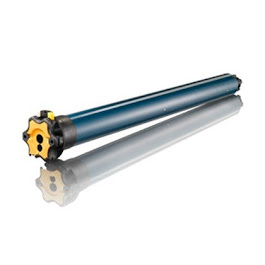
A quality tubular motor on a domestic roller shutter in Australia usually works trouble-free for 10–20 years. Choose a European model and maintain it, and 25 years is common. Heavy commercial cycling or coastal salt can cut that span to 5–8 years. The motor inside the axle drives the aluminium curtain up and down at the press of a button, so its health underpins every open and close.
Because this hidden drive unit powers your home’s security, insulation and comfort, knowing its lifespan—and the habits that prolong it—matters. In the pages ahead we set clear benchmarks, outline the mechanical, electrical and environmental stresses that age a motor, flag early failure signs, give a practical maintenance timetable, weigh repair against replacement, and finish with tips for choosing a durable upgrade. If you need this fixed, call us on 83692266
How Roller Shutter Motors Work and Why Lifespan Matters
Before we look at numbers, it helps to understand what’s humming away inside the shutter barrel. A few key concepts explain why some motors last decades.
Core components and common motor types
Most Aussie homes use a 240 V tubular AC motor: a compact rotor–stator assembly, gearbox and control board sealed inside the axle. Alternatives—12 V battery, solar-charged and premium direct-drive units—share the same wear points: bearings, windings, limit switches, and a thermal fuse.
Duty cycle, torque and thermal limits
Every motor is rated for a duty cycle—for example 4 min on / 30 min off. Exceed that, or hang too-heavy a curtain (Torque≈mass×radius), and heat builds. Overheating cooks insulation, distorts gears and slices years off lifespan.
The lifespan equation in plain English
Mechanical stress + electrical stress + environmental stress = service life. Reduce any factor—fewer daily cycles, stable voltage, protection from salt, regular cleaning—and the motor keeps spinning longer than the warranty suggests.
Average Lifespan Benchmarks You Can Expect
Numbers bring peace of mind—especially when you’re weighing up repair quotes or a brand-new install. The figures below combine manufacturer data, Adelaide service records, and warranty trends so you can place your own motor on the curve.
How long should a roller shutter motor last? (Quick answer)
Under normal household duty a solid tubular motor keeps rolling for 10–15 years; premium European gear often soldiers on for 15–25 years. Push the shutter through dozens of cycles a day or leave it unwashed on a salty foreshore and that span shrinks to 5–8 years. Most makers cover just the first 5–10 years—meaning the real-world roller shutter motor lifespan is up to double the paperwork.
Lifespan table by motor type and usage level
| Motor type | Light use (<2 cycles/day) |
Typical use (2–8) |
Heavy use (>8) |
|---|---|---|---|
| AC tubular (standard) | 15–18 yrs | 10–15 yrs | 5–8 yrs |
| AC tubular (premium) | 20–25 yrs | 15–20 yrs | 8–12 yrs |
| DC battery | 8–12 yrs | 6–10 yrs | 4–6 yrs |
| Solar-powered DC | 10–14 yrs | 8–12 yrs | 5–7 yrs |
Australian environmental realities
Climate nudges those numbers up or down. An Adelaide metro backyard with mild air and stable mains power sees motors hit the upper band. Shift to Victor Harbor and airborne salt trims bearings by a couple of years. In Coober Pedy 45 °C heat cooks windings unless pelmets are shaded, while red dust sneaks past gaskets. Outback stations often run generators that spike voltage, further whittling service life.
Quality and price correlation
Materials matter. Cheaper imports rely on class B enamel, nylon gears and IP44 seals; spend roughly 20 % more and you get class F windings, hardened steel gears and IP55 or better housings. The result is an extra 5–10 years on the clock and far fewer 3 am phone calls when the shutter sticks halfway.
Key Factors That Shorten or Extend Motor Life
Even a premium motor will fall short of its advertised hours if a handful of stressors stack up. Conversely, remove or reduce those stresses and the roller shutter motor lifespan can leap past the warranty window. Below are the levers most owners can actually pull.
Daily cycle count and curtain mass
Motors are engineered for a set number of revolutions. Double the cycles and the bearings, gears and windings wear almost exponentially faster. The same happens when a solid-core or foam-filled curtain outweighs the rated torque (Torque ≈ mass × radius). Keep to ≤ 8 domestic cycles a day and ensure the motor’s torque band exceeds the curtain’s calculated load by at least 20 %.
Installation accuracy and alignment
A motor fighting a skewed axle or bowed side guides spends its life in a minor stall. Symptoms—dragging edges, uneven roll-up—add amp draw and heat. Correct centreing of the octagonal shaft, square guide channels and precise limit-switch programming can gift several extra years without costing a cent.
Environmental exposure: heat, moisture, salt and dust
Thermal ageing doubles for every 10 °C rise above design temperature, so pelmet insulation or shading in hot suburbs like Elizabeth is money well spent. Coastal salt pits aluminium heads and invites corrosion into bearings; monthly freshwater rinses arrest that creep. Dusty outback towns should fit IP55 or higher motors and clean pelmets quarterly.
Electrical supply quality and surge events
Under-voltage browns out control boards; over-voltage spikes punch holes in winding enamel. A $40 surge-protected outlet or RCD eliminates most of that invisible attrition and is far cheaper than a $600 replacement motor.
Routine maintenance and user behaviour
Ignoring gritty guides or forcing the shutter against garden furniture overheats the drive almost instantly. A six-monthly clean, light silicone spray on guides, and a 30-second pause between consecutive cycles are simple habits that extend service life far more than any fancy add-on.
Early Warning Signs Your Roller Shutter Motor Is Failing
A dying motor rarely quits without sending up flares first. Catching these signals early can save the winding before it burns out and protect the curtain from getting jammed in the worst possible weather. Keep one ear on performance and one hand near the isolator switch.
Slower operation, jerks or uneven travel
If the shutter now takes 20 % longer to open, or shudders on the way up, tired bearings or weakening windings are stealing torque and cooking the service life.
Unusual noises: grinding, clicking or humming
A healthy tubular motor is a low hum. Grinding hints at gear wear, rapid clicks suggest a loose barrel, while a steady hum with no movement points to a stalled rotor.
Frequent thermal cut-outs or hot casing
Built-in thermal sensors trip when the core tops about 120 °C. Repeated cut-outs, or a barrel you can’t touch for more than two seconds, mean insulation is close to failure.
Lost limits or inconsistent stopping positions
When the curtain overruns its set top or bottom stop, the limit switch or encoder is slipping. Constant re-programming usually forecasts imminent control-board replacement.
No response to remote or wall switch
First rule out flat batteries and blown fuses. If power is present and the motor only hums, seized bearings or a burnt start capacitor may have already ended the roller shutter motor lifespan.
Maintenance Habits That Add Years to Your Motor
A roller shutter motor is not entirely “set-and-forget”. Small, regular tasks fend off the heat, friction and corrosion that chew through bearings and windings. Follow the calendar below and you’ll push the roller shutter motor lifespan towards the upper end of the tables above—often for the price of a spray can and a Saturday morning.
Six-monthly cleaning routine
- Lower the curtain fully.
- Use a soft brush to knock off loose dirt.
- Wash slats, guides and pelmet underside with mild detergent and a garden hose on gentle pressure.
- Rinse with fresh water and dry with a microfiber cloth.
Tip: In coastal areas switch to a three-monthly rinse to keep salt at bay.
Safe lubrication points
- Lightly mist silicone spray along the inner faces of the side guides and any exposed axle bearings.
- Avoid oil-based products; they gum up with dust and can seep onto the motor head.
- Wipe excess to stop drips reaching the curtain finish.
- Annual professional inspection checklist
A licensed technician should:
- Measure insulation resistance of windings.
- Verify torque output and reset limits.
- Tighten mounting brackets and check earth continuity.
- Issue a compliance/service report for your records.
Upgrades and add-ons that reduce strain
- Fit smart timers to block back-to-back cycles.
- Add obstacle detection or wind sensors on large outdoor blinds.
- For battery or solar units, clean panels quarterly and budget for battery swap every 4–5 years.
These tweaks ease workload and stretch the motor’s useful life.
Repair Versus Replacement: Deciding the Most Cost-Effective Path
When the shutter stops halfway or gives off that burnt–varnish smell, the reflex is to ring a sparky and say “fix it”. Sometimes that’s smart; other times you’re pouring cash into a motor already past its realistic roller shutter motor lifespan. Use the checkpoints below to keep emotion out of the spreadsheet.
Age and warranty rules of thumb
- Over 12 years old? Treat any major fault as end-of-life.
- If the repair quote exceeds 40 % of a new motor, replacement is usually cheaper long-term.
- Motors still under parts warranty? Opt for repair and claim freighted parts.
Compatibility, efficiency and safety benefits of newer motors
Modern units add:
- Radio remotes and app control
- Whisper-quiet gears
- Lower standby draw (<0.5 W)
- Compliance with AS/NZS 60335-2-97 surge and entrapment standards
DIY repairs vs. licensed professional work
Homeowners may:
- Clean slats and guides
- Replace remote batteries
- Test manual override straps
All internal motor work or mains wiring must be carried out by a licensed electrician in South Australia—no exceptions.
Choosing and Installing a Long-Lasting Replacement Motor
A new motor is your chance to lock in another decade or two of trouble-free service, so read the label before you sign the invoice.
Key specifications to scrutinise
- Torque (Nm) and RPM
- Duty cycle percentage
- IP ingress rating (IP55 or higher outdoors)
- Insulation class F or H
- Built-in obstacle detection and soft-start electronics
- Written warranty length (aim for 7–10 years)
Matching motor size to curtain dimensions and weight
Use the quick rule: curtain weight (kg) × axle radius (m) × 1.2 safety factor = minimum torque. Overspec wastes money; underspec slashes roller shutter motor lifespan.
Electrical installation best practice
Fit a dedicated isolator, surge protector and correct cable gauge. The installer must issue a Certificate of Compliance under SA legislation.
Advantages of sourcing from local manufacturers and service providers
Local factories know Adelaide heat, dust and salt, stock spare parts, and can be on-site within days, extending uptime and supporting future upgrades.
Key Takeaways and Next Steps
A well-sized, well-looked-after tubular motor should serve an Adelaide home for 10–20 years, with premium units stretching to 25. Heavy daily cycling, sloppy installation, salt, dust, voltage spikes and skipped maintenance are the chief lifespan killers. Treat the motor kindly and you postpone big repair bills.
Top five life-extenders:
- Six-monthly wash of slats, pelmet and guides
- Light silicone spray on guides after every clean
- Surge-protected, correctly earthed power supply
- Professional inspection every 12–18 months
- Choosing the right torque rating when replacing a motor
If your shutter is slowing, overheating or older than a decade, book a service or replacement quote with Classic Roller Shutters Adelaide and keep things rolling smoothly.