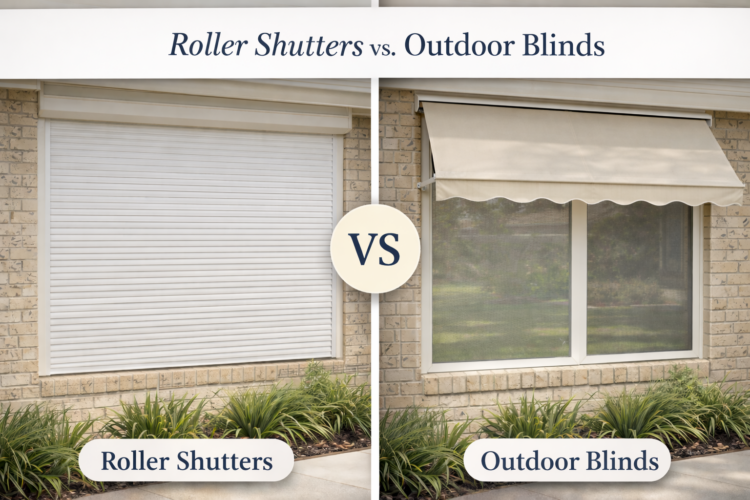
Roller shutters vs outdoor blinds for Adelaide weather comes down to how each product handles the city’s extremes. Adelaide throws scorching 40°C summer days, cold winter mornings, and fierce spring winds at your windows. Roller shutters create a complete barrier using solid slats, while outdoor blinds use fabric or mesh to filter light and heat. Both protect your home, but they work differently when temperatures soar or plummet.
This guide compares how each option performs in Adelaide’s climate. You’ll discover which product insulates better during winter, which handles summer heat more effectively, and how they stack up on cost, security, and everyday living. We’ll walk you through the practical differences so you can choose the right protection for your property. Whether you’re dealing with western sun, need bushfire protection, or want to control your energy bills, you’ll find clear answers here.
Why Adelaide homes need robust weather protection
Adelaide’s Mediterranean climate delivers extreme temperature variations that put constant pressure on your windows. Summer temperatures regularly exceed 40°C, while winter mornings can drop below 5°C. Your windows become the primary entry point for heat during summer and the main exit point for warmth during winter. Without proper protection, you’ll run your air conditioner harder, watch your energy bills climb, and struggle to maintain comfortable indoor temperatures year-round.
Adelaide’s extreme temperature swings
The city experiences temperature ranges of 15 to 20 degrees within a single day during spring and autumn. Your home needs to cope with freezing mornings that shift to scorching afternoons within hours. Standard curtains and internal blinds simply cannot block the intense heat that builds up on glass surfaces during summer. The roller shutters vs outdoor blinds for Adelaide weather debate exists precisely because both products address these extremes better than traditional window coverings.
Adelaide’s summer sun generates surface temperatures on unprotected windows that can exceed 70°C, turning your glass into radiators that heat your entire room.
Seasonal wind and UV exposure
Strong northerly winds during summer carry dust and debris that damages unprotected glass and window frames. Spring brings powerful gusts that can exceed 80 kilometres per hour, rattling windows and forcing gaps that let heat and cold penetrate your home. Adelaide receives high UV radiation levels throughout the year, which fades your furniture, carpets, and curtains. You need window protection that withstands these wind forces while blocking UV rays before they enter your living spaces. Both roller shutters and outdoor blinds offer this protection, but they achieve it through different mechanisms that suit different situations.
How roller shutters insulate against extreme temperatures
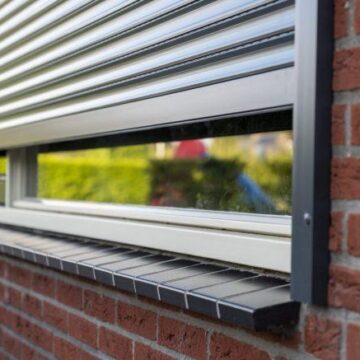
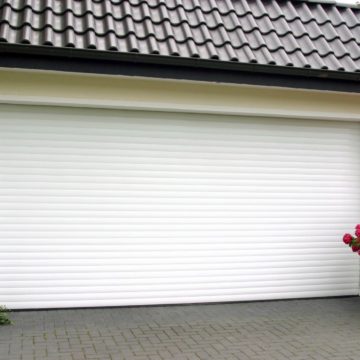
Roller shutters create a physical barrier between your window glass and the outside environment. When you close them, they form an air gap that prevents heat transfer through conduction. This dead air space acts like a thermos, stopping summer heat from radiating through your windows and trapping warm air inside during winter. The solid aluminium or steel slats block direct sunlight completely, which prevents your glass from heating up in the first place.
The thermal barrier effect
Your roller shutters sit 15 to 30 millimetres away from the glass surface when closed. This gap creates an insulation layer that reduces heat transfer by up to 90 percent compared to bare windows. During Adelaide’s summer, the shutters absorb and reflect heat before it reaches your glass. The metal slats heat up, but that warmth stays outside because the air gap prevents it from conducting through to your window. Winter works in reverse: the barrier stops cold air from chilling your glass and sucking warmth out of your rooms.
Fully closed roller shutters can reduce your cooling costs by 30 to 50 percent during Adelaide’s summer months by blocking heat before it enters your home.
Complete light and weather sealing
The interlocking slats create a continuous surface that eliminates light gaps and air leaks. When comparing roller shutters vs outdoor blinds for Adelaide weather, this complete seal gives shutters the advantage in extreme conditions. You get total darkness when needed, which further reduces heat gain from infrared radiation passing through fabric materials.
How outdoor blinds reduce heat while maintaining airflow
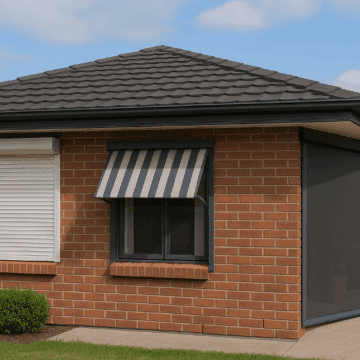
Outdoor blinds use woven fabric or mesh instead of solid slats, which allows them to block solar heat while letting air pass through. The material sits outside your windows and absorbs sunlight before it reaches the glass. Unlike roller shutters that seal completely, outdoor blinds create a permeable barrier that maintains natural ventilation. You can keep your windows open behind the blinds and enjoy fresh air without overheating your rooms.
Mesh density and heat rejection
The fabric weave determines how much heat and light the blinds block. Tighter mesh patterns reject more solar radiation but reduce airflow slightly. A five percent openness fabric blocks 95 percent of UV rays while still allowing air circulation. Looser weaves let more breeze through but offer less heat protection. You select the mesh density based on your exposure needs.
Quality outdoor blinds with the right mesh density can reduce heat gain by 70 to 80 percent while maintaining enough airflow to eliminate the stuffy feeling that sealed roller shutters can create.
Adjustable positioning for Adelaide conditions
You can lower outdoor blinds partially to shade your windows while leaving gaps for cross-ventilation. This flexibility makes them practical when comparing roller shutters vs outdoor blinds for Adelaide weather during spring and autumn. Partial positioning captures breezes while blocking direct sun, giving you temperature control without sacrificing airflow.
Comparing costs, security and lifestyle benefits
Your choice between roller shutters and outdoor blinds involves more than just weather performance. You need to weigh the upfront investment, how each product secures your home, and which one fits your daily routine. Both options deliver value, but they serve different priorities depending on your budget, security concerns, and how you use your living spaces.
Initial investment differences
Roller shutters typically cost $300 to $600 per square metre for quality aluminium products with electric operation. Outdoor blinds range from $250 to $450 per square metre depending on fabric quality and frame style. Your larger windows increase costs proportionally, but shutters generally require a higher initial outlay. The price difference narrows when you choose premium outdoor blind fabrics with motorised controls.
Security and storm protection
Shutters deliver superior physical security because solid aluminium slats resist forced entry attempts. They also protect your windows from flying debris during Adelaide’s severe storms. Outdoor blinds offer moderate security through fabric or mesh that discourages casual break-ins but won’t stop determined intruders. When considering roller shutters vs outdoor blinds for Adelaide weather, shutters win for security-conscious properties.
Daily convenience factors
You operate outdoor blinds more frequently because partial positioning lets you adjust light and airflow throughout the day. Shutters work best as an all-or-nothing barrier that you close during extreme heat or cold.
How to choose the best solution for your property
Your decision depends on three key factors: your specific weather exposure, your security requirements, and your daily living patterns. Start by identifying which rooms face west or north, as these areas receive the most intense heat in Adelaide. Properties with large glass surfaces benefit more from the complete sealing that roller shutters provide, while homes that prioritise natural ventilation suit outdoor blinds better.
Your exposure and climate priorities
West-facing windows need maximum heat protection during Adelaide’s summer afternoons, making roller shutters the stronger choice for these areas. North-facing rooms can work well with quality outdoor blinds that maintain airflow while blocking solar radiation. Eastern and southern exposures experience less extreme conditions, so your choice here depends more on privacy and security needs than pure climate performance.
Properties in bushfire-prone areas around Adelaide’s hills should prioritise shutters with BAL ratings, as their solid construction offers better ember protection than fabric blinds.
Budget and installation timeline
You can install outdoor blinds faster because they require simpler mounting systems than roller shutters. Shutters need precise measurements and robust fixings to support their heavier weight, which adds installation time. When weighing roller shutters vs outdoor blinds for Adelaide weather, consider mixing both products across different rooms to balance your budget while addressing each area’s specific needs.
Summary of your window covering options
Both roller shutters and outdoor blinds protect your Adelaide home from extreme weather, but they deliver that protection differently. Roller shutters create complete thermal barriers that seal out heat, cold, and provide superior security through solid aluminium construction. Outdoor blinds maintain airflow while blocking solar radiation, giving you ventilation alongside heat reduction. Your final choice in the roller shutters vs outdoor blinds for Adelaide weather decision depends on whether you prioritise complete sealing or natural ventilation.
Properties facing intense western sun benefit from shutters that eliminate heat transfer entirely. Homes that value fresh air circulation while controlling temperature suit outdoor blinds better. You can also combine both products across different rooms to address each space’s specific exposure and usage patterns.
Classic Roller Shutters Adelaide manufactures both solutions locally and offers free in-home consultations to assess your property’s needs. We’ll help you select the right combination of products that protects your home while fitting your budget and lifestyle requirements.