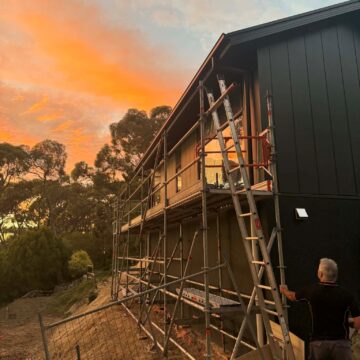
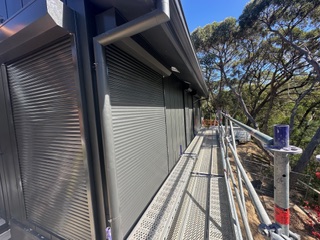
Living in South Australia means understanding bushfire risk. When ember attacks and radiant heat reach your home, windows are one of the first points of failure, and once glass breaks, the fire gets inside. So how do bushfire shutters work, exactly? They act as a physical shield over your windows, blocking radiant heat, deflecting flying debris, and preventing ember penetration before damage occurs.
At Classic Roller Shutters Adelaide, we’ve spent over 40 years manufacturing and installing roller shutters across Adelaide. We know how these systems are built, how they perform under pressure, and what makes a bushfire-rated shutter different from a standard one. It’s a question we get regularly from homeowners in bushfire-prone areas, and it deserves a proper answer.
This guide breaks down the mechanics behind bushfire shutters, the Australian standards they must meet, how they protect your home during each stage of a bushfire, and what to consider if you’re thinking about installing them. We install ball 29, bal40 and balfz shutters for homes and commercial premises.
Why bushfire shutters matter for Aussie homes
South Australia sits in one of the most fire-prone regions on the planet. Bushfire season brings a combination of extreme heat, strong winds, and dry vegetation that can push a fire front toward suburban and rural homes with very little warning. Understanding how do bushfire shutters work is particularly relevant here because standard windows and doors are simply not designed to cope with those conditions.
The weak points a bushfire exploits
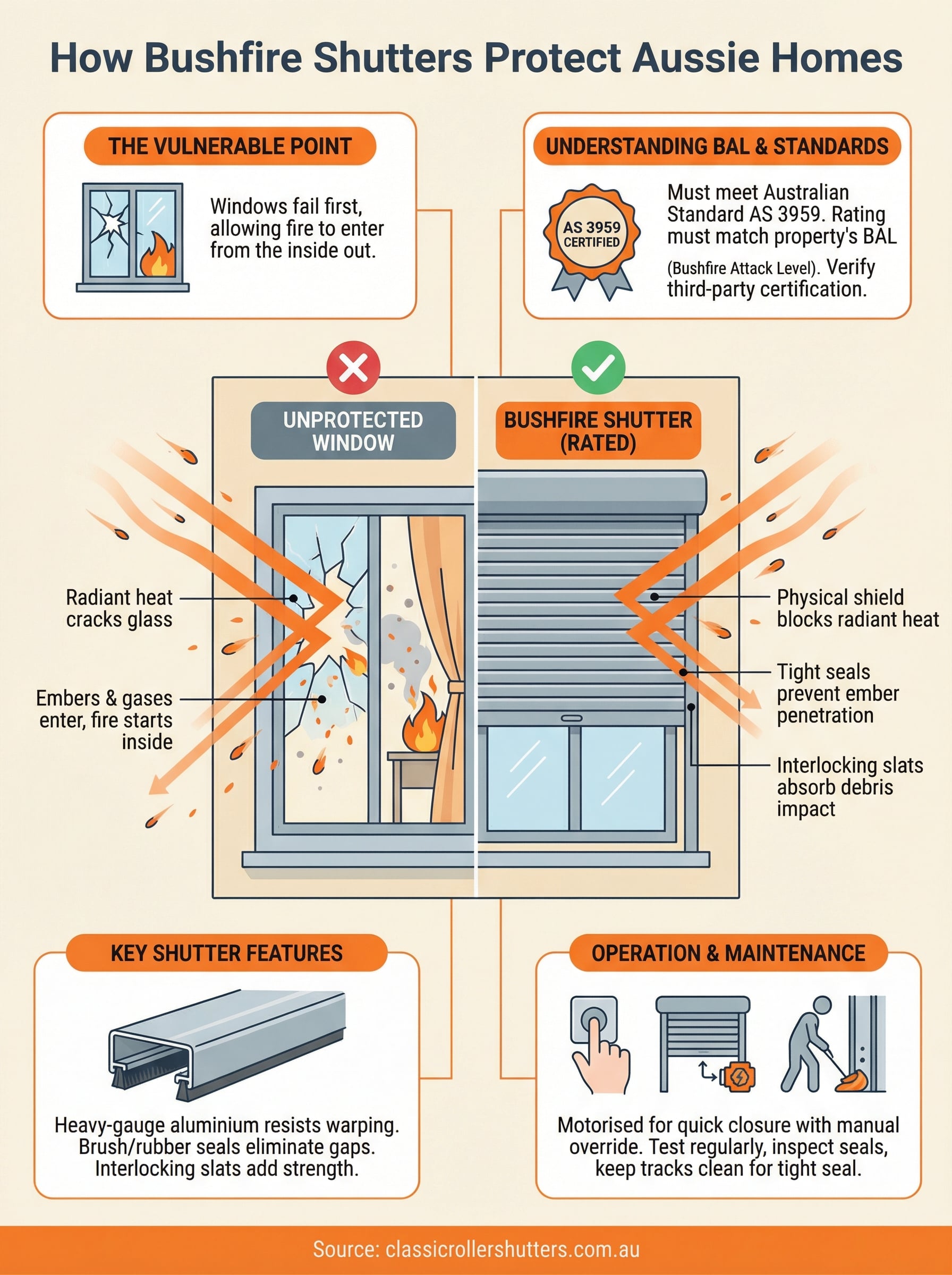
Windows are the most vulnerable part of your home during a bushfire. Radiant heat from an approaching fire front can cause standard glass to crack and shatter even before flames make direct contact. Once your window fails, burning embers and hot gases flood the interior, and the fire takes hold from the inside out. In many documented bushfire events, this is precisely how homes are lost, not from direct flame contact but from window failure.
A broken window during a bushfire is not just a structural failure; it is the point where an external threat becomes an internal one.
Why standard shutters are not enough
Not every roller shutter on the market is built to handle bushfire conditions. Standard aluminium shutters may provide some protection, but without proper bushfire ratings they can warp, buckle, or allow ember penetration under extreme radiant heat. A shutter that fails at a critical moment offers no real protection at all.
Your home’s Bushfire Attack Level (BAL) determines the intensity of the threat your property faces, and the shutters you install need to match that threat level. Choosing shutters rated below your property’s BAL is a false economy that leaves your home exposed when conditions reach their worst.
How bushfire shutters protect windows in a fire
Understanding how do bushfire shutters work at a mechanical level helps you make smarter choices for your home. The shutter sits directly over your window, forming a continuous physical barrier that intercepts every fire-related threat before it can reach the glass beneath.
Blocking radiant heat before glass fails
Radiant heat travels ahead of the fire front in waves that standard glass cannot withstand. A properly rated bushfire shutter absorbs and deflects that heat load, keeping the surface temperature of your window below the threshold where cracking and shattering begin.
The shutter does not need to stop a fire entirely; it just needs to outlast the peak intensity long enough to protect what is behind it.
Your glass stays intact because the shutter takes the full brunt of radiant exposure. Keeping the window unbroken means your home’s interior stays sealed from hot gases and smoke that would otherwise push through.
Stopping embers and debris at the source
Ember attacks ignite more homes than direct flame contact, and they strike well ahead of the main fire front. Bushfire shutters press tightly against the window frame, eliminating every gap where a burning ember could settle and catch.
Flying debris driven by high winds poses an equal danger. A solid, rated shutter absorbs the impact of windborne material that would shatter unprotected glass and collapse your home’s fire barrier in seconds.
What bushfire shutters are made from and key features
Understanding what goes into a rated shutter helps you see exactly why these products outperform standard options when conditions get severe. Material selection and build quality determine whether a shutter holds up long enough to protect your windows when it matters most.
The role of heavy-gauge aluminium
Bal 40 Bushfire shutters use heavy-gauge aluminium extrusions as their primary material because aluminium handles high heat without igniting. The profiles are thicker and denser than those found in standard roller shutters, giving them the structural integrity to resist warping under sustained radiant heat exposure.
A shutter that warps or buckles under heat load loses its seal, and that gap is enough for embers to get through.
Key features that improve fire performance
Several design elements determine how do bushfire shutters work in practice, beyond the raw material alone. Brush seals or rubber gaskets sit along the sides and bottom rail of the shutter, closing off every gap that an ember could exploit. These seals work alongside interlocking slat profiles, which prevent slats from separating under debris impact or heat-induced expansion.
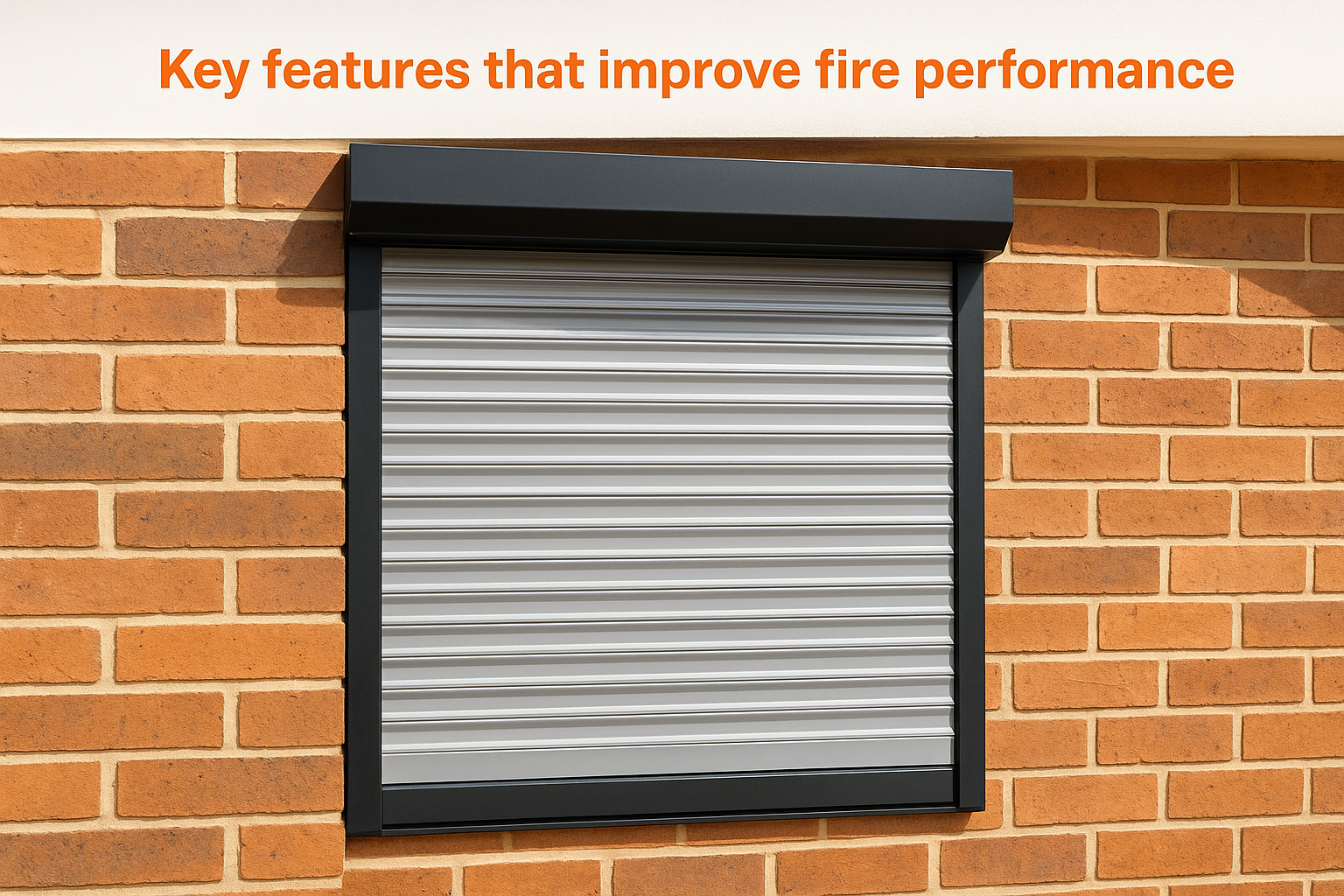
Your guide channels and bottom rail also play a direct role in performance. A well-designed shutter uses reinforced guide rails that keep the shutter tracking straight under thermal stress, ensuring no gaps open along the sides where embers could slip through.
BAL ratings and Australian standards to look for
Not every bushfire shutter meets the same standard, and knowing which rating applies to your property tells you exactly what protection level you need. Australian Standard AS 3959 governs construction in bushfire-prone areas, and it assigns your property a Bushfire Attack Level (BAL) based on factors like vegetation type, slope, and fire weather conditions. Bal40 or Bal Fz shutters. call and speak to one of our representatives today about your needs.
Understanding the BAL scale
BAL ratings run from BAL-LOW through to BAL-FZ (Flame Zone), with each level representing a higher intensity of radiant heat and ember attack. If your property sits at BAL-29 or above, you need shutters that are independently tested and rated to withstand those specific conditions.
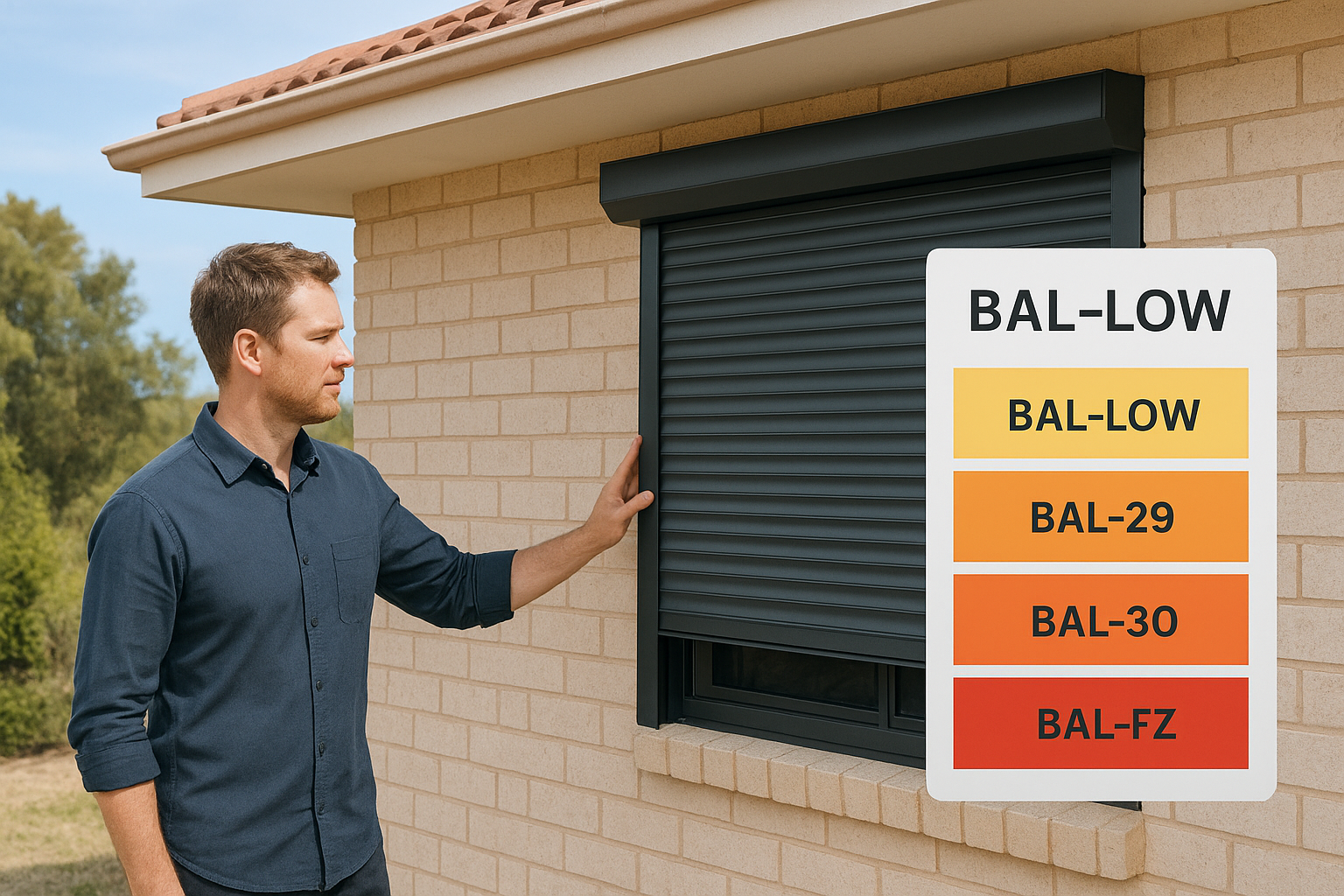
Buying shutters without confirming their BAL rating against your property’s assessed level is a risk that could leave your home unprotected when conditions peak.
What certification to look for
When researching how do bushfire shutters work and whether a specific product will protect your home, check that the shutter carries third-party certification against AS 3959. Ask your supplier for test documentation confirming the rating matches or exceeds your property’s BAL assessment. Key items to verify before purchasing:
- The specific BAL rating the shutter is tested and certified to
- Independent test reports from a recognised laboratory
- Full window coverage with no gaps along guide rails or seals
Choosing, operating and maintaining bushfire shutters
Once you understand how do bushfire shutters work, the next step is making sure you choose, operate, and maintain them correctly. Getting the selection right from the start means your shutters perform to their rated level when conditions turn extreme, rather than failing at the moment they are needed most.
Choosing the right shutter for your property
Start with your BAL assessment, which your local council or a bushfire consultant can confirm. Match the shutter’s certified rating to that level, and prioritise products with motorised operation so you can close them quickly without going outside when a fire approaches.
A shutter you cannot close in time offers no protection at all, so ease of operation matters just as much as the rating itself.
Key points to confirm before purchasing:
- Certified BAL rating matches or exceeds your property’s assessment
- Motor and manual override both function correctly
- Full perimeter sealing with no gaps along guide rails or seals
Keeping your shutters ready to perform
Regular maintenance keeps your shutters functioning to their certified level year after year. Run a full open-and-close cycle every few months to confirm the motor, guide rails, and seals are all working as they should.
Check brush seals along the sides and bottom rail for any wear, and replace them if you spot deterioration or gaps. Clean the slats and channels regularly to remove debris that could prevent tight closure when a bushfire approaches.
Next steps for a safer home
Now you understand how do bushfire shutters work, the next step is turning that knowledge into action for your property. Your BAL rating is the starting point, and confirming it with your local council or a bushfire consultant gives you the exact protection level your home requires. From there, you can match certified shutters to your specific threat level with confidence.
Bushfire shutters protect your windows by blocking radiant heat, stopping embers, and absorbing debris before any of it reaches your glass. Choosing the right product, keeping seals and slats in good condition, and ensuring the shutter closes completely before a fire approaches are the three factors that determine whether your shutters perform when you need them most.
Your home deserves shutters built and installed to the correct standard. If you’re in Adelaide and want to discuss your options, get a free quote from Classic Roller Shutters Adelaide and we’ll help you find the right solution. We have installed many bushfire shutters across the country, we understand installation is crucial and so is getting council or private certification. call us on 83692266 and speak to one of experts on your bushfire shutter needs.