
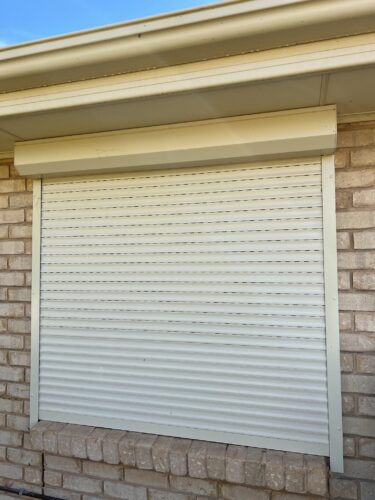
If your roller shutter has suddenly become heavy to lift, or it slams shut instead of rolling down smoothly, the spring mechanism is usually the culprit. A spring loaded roller shutter relies on tension inside a barrel or coiled spring fasteners to counterbalance the curtain’s weight, and when that tension fails, the whole system struggles. It’s one of the most common jobs we see across Adelaide homes and businesses, from Salisbury to the Adelaide Hills.
So what exactly makes these shutters tick, and how do you know if yours needs attention? This guide breaks down the spring mechanism in plain terms, covering how the tension system stores and releases energy to raise and lower your shutter with minimal effort. We’ll also look at the spring fasteners and other components that hold everything together, since a worn fastener is often behind sudden failures.
We’ll walk through how these shutters work, what installation involves, and the warning signs that tell you it’s time for a repair rather than a full replacement. Whether you’re comparing product options before buying or troubleshooting an existing setup, you’ll come away knowing exactly what’s going on behind that roller box.
Why spring loaded roller shutters suit some Adelaide homes
Built for Adelaide’s climate swings
Adelaide’s weather doesn’t do subtlety. You get stinking hot northerlies in January, then a cold snap rolling off the hills a few days later, and the shutters on your windows take that beating every day. A spring loaded roller shutter copes because the tension system does the heavy lifting instead of relying purely on motor strength or hand pressure, so the curtain moves smoothly even when aluminium slats expand in 40 degree heat. That matters because a shutter that binds or drags in summer usually means the spring tension has slipped, not that the whole unit needs replacing.
A well-tensioned spring is what stops your roller shutter turning into a daily wrestling match.
Security without relying on mains power
Bushfire season and summer storms bring blackouts, and that’s when a manual spring mechanism earns its keep. Because the spring, not electricity, does most of the work counterbalancing the curtain, you can still lock down windows and doors by hand if the power drops out. This makes spring loaded shutters a practical security feature for homes on the fringes of the Adelaide Hills and Barossa Valley, where outages tend to last longer than they do in the CBD. Businesses along arterial roads value the same reliability, since a shutter that won’t budge without power is a liability during a break-in attempt. However they do have limitations, speak to us about how they may suit your property.
Suits older homes and tight budgets
Plenty of Adelaide’s housing stock predates electric shutter systems, and retrofitting a motor into every window isn’t always realistic or affordable for some. A spring loaded setup lets you add roller shutters to a weatherboard cottage in Unley or a solid brick bungalow in Prospect without rewiring the property, and it costs noticeably less upfront than a fully motorised system. Owners who later want convenience can still upgrade, since converting a manual roller shutter to electric is straightforward once the shutter itself is in good condition.
Cost also plays a part in why so many households stick with spring loaded systems rather than jumping straight to electric, and it helps to know roller shutter prices in Adelaide before you decide:
- Lower upfront hardware cost than motorised units
- No wiring or electrician required for a basic installation
- Fewer electronic parts to fail or need replacing
- Straightforward for tradespeople to service without specialist tools
- Easy retrofit onto existing openings in older homes
That combination of resilience, affordability, and simplicity is why spring loaded roller shutters remain the default choice across so many Adelaide suburbs, even as electric options become more common.
How spring loaded roller shutters work in practice
The tension cycle behind every lift
Inside the roller box sits a barrel, and wound around or inside that barrel is a coiled roller shutter spring under constant tension. As you pull the curtain down, the spring winds tighter, storing energy like a tightly coiled watch spring. Lift the curtain back up and that stored energy releases gradually, taking most of the curtain’s weight off your arms. This is why a shutter with correctly set tension feels almost weightless to operate, while one with a failing spring feels like dead weight the moment it starts moving.
A properly tensioned spring should make lifting a heavy aluminium curtain feel effortless, not like a workout.
What actually happens when you operate it
Operating a spring loaded shutter follows the same basic sequence manual roller shutters use every time, whether it’s on a Norwood shopfront or a Golden Grove bedroom window:
- You release the latch or pull the strap, and the spring’s stored tension begins feeding the curtain out slowly
- The slats feed through the guide channels on either side, keeping the curtain straight as it descends
- Gravity and spring tension work together, so the curtain lowers at a controlled speed rather than dropping in one go
- Pulling the curtain back up rewinds the spring, storing energy again for next time
- A locking bar or latch engages once the shutter reaches the bottom, holding it in place
Because this cycle relies on mechanical tension rather than electronics, there’s very little that can go wrong under normal use. Wear shows up gradually rather than suddenly, usually as increased resistance when lifting or a curtain that no longer sits flush at the bottom. Catching that early, before the spring loses tension completely, is what separates a five-minute adjustment from a full spring replacement.
Key components: springs, guides and locking bars
Every spring loaded roller shutter relies on three main parts working together, and understanding each one makes troubleshooting a roller shutter far easier before you call a technician. Get these components right and the shutter runs quietly for years; get one wrong and you’ll notice it within weeks.
Springs and spring fasteners
Gripping the barrel tightly are the spring fasteners, small but critical clamps that anchor the coiled spring so it can wind and unwind under load without slipping. Failure here is one of the most common repairs we handle, because a fastener that’s worked loose lets the spring spin freely instead of holding tension, and the curtain suddenly feels far heavier than it should.
A loose spring fastener, not a broken spring, is behind most sudden roller shutter failures we see in Adelaide.
Guide channels
Running down either side of the opening are the guide channels, aluminium or steel tracks that keep the curtain moving in a straight line as it rises and falls. Debris, dents, or misalignment in these channels causes the slats to bind or jam partway through the cycle, even when the spring itself is in good condition. Cleaning them out is often the cheapest fix available.
Locking bars and latches
Sitting at the base of the curtain, the locking bar engages once the shutter reaches the ground, holding it firmly against the sill and stopping forced entry.
| Component | Main role | Common failure |
|---|---|---|
| Spring/fastener | Stores and releases tension | Loose or snapped fastener |
| Guide channel | Keeps curtain aligned | Debris or dents causing binding |
| Locking bar | Secures curtain at base | Worn latch, misaligned bar |
Together these parts, laid out in our roller shutter parts diagram, explain why a single stiff shutter rarely needs full replacement, just the right component addressed.
How to install a spring loaded roller shutter
Installing a spring loaded roller shutter isn’t a weekend job for most homeowners, and we say that as people who do it every day. Getting the spring tension wrong at the outset means a curtain that either won’t stay up or slams down with force, so precision matters more than enthusiasm here. Still, knowing the sequence helps you understand what a technician is doing and why it takes longer than bolting a bracket to a wall.
Preparing the opening
Before any hardware goes up, the opening needs measuring and checking for square, since even a few millimetres out of level will throw the guide channels off and cause binding later. Fixing the guide channels to the frame comes first, and they need to sit perfectly parallel or the curtain will bind on one side before it reaches the bottom.
Fitting the barrel and tensioning the spring
Once the channels are set, the roller box goes up and the barrel with its coiled spring slots into place. This is the step where experience counts most:
- Mount the barrel assembly into the roller box brackets
- Attach the curtain to the barrel and feed it into the guide channels
- Wind the spring to the correct tension for the curtain’s weight and width
- Secure the spring fasteners so the tension holds under load
- Test the full cycle several times before fitting the locking bar
Getting spring tension right the first time saves you a callout within the first month.
Skipping that testing step is how new installs end up needing an adjustment within weeks.
Why most Adelaide homeowners call in a technician
Getting the tension calibration wrong risks injury from a spring releasing suddenly, which is the main reason we recommend against DIY here. If you’re planning a new fit-out or replacing an old system entirely, our team handles roller shutter installations in Adelaide with the right tensioning tools on hand from the start.
Maintenance tips to keep your shutter running smoothly
Keeping a spring loaded roller shutter running well doesn’t take much, but skipping the basics is exactly how small problems turn into a jammed curtain at the worst possible moment. Most of what wears these systems down is dust, salt air near the coast, and simple neglect rather than any design flaw in the spring mechanism itself.
Simple checks you can do yourself
Running through a short roller shutter maintenance checklist every few months catches problems while they’re still cheap to fix:
- Clean the guide channels to clear leaves, sand, and grit before they cause binding
- Listen for grinding or scraping sounds during operation, a sign the barrel or channel needs attention
- Check that the curtain sits flush against the sill once fully closed
- Apply a light silicone spray to the channels twice a year when lubricating roller shutters, avoiding oil-based products that attract dust
- Look over the spring fasteners for visible looseness or rust, especially after storms
A five-minute check every few months beats a full spring replacement every few years.
Doing this yourself is safe because none of it involves touching the spring’s tension directly, just the parts around it.
Signs it’s time to call a professional
Once a shutter feels noticeably heavier to lift than it did last month, or it starts dropping faster than usual, that’s the spring mechanism losing tension rather than something you can lubricate away. Forcing a stiff curtain up and down only stresses the fastener further, and a fastener that lets go under load can release stored tension suddenly. If you’re in Salisbury, Prospect, Unley, or anywhere else across greater Adelaide and notice these warning signs your roller shutter needs professional repair, book a proper inspection rather than waiting for a full failure, since catching worn parts early almost always costs less than an emergency callout after dark.
Getting the right shutter for your home
A spring loaded roller shutter gives you a reliable, low-maintenance way to secure windows and doors without depending on mains power, and that’s exactly why so many Adelaide homes still use them. Knowing how the spring, guide channels, and locking bar work together means you can spot a fault early, whether that’s a loose fastener or a channel clogged with grit, rather than assuming the whole unit needs replacing. Getting the installation and tensioning right from day one matters just as much, since a poorly set spring causes problems long before it actually fails.