Choosing between window treatments can feel overwhelming, especially when you’re weighing up plantation shutters vs blinds for your Adelaide home. Both options have their merits, but they differ significantly in cost, durability, and long-term value – factors that matter when you’re investing in your property.
The right choice depends on your priorities. Are you after a timeless aesthetic that adds resale value? Or do you need a budget-friendly solution that still delivers on function? Energy efficiency plays a role too, particularly in Adelaide’s climate where summers can be harsh and winters surprisingly cold.
At Classic Roller Shutters Adelaide, we’ve spent over 40 years helping South Australian homeowners navigate these decisions. We manufacture and install both plantation shutters and a full range of blinds, so we know the strengths and trade-offs of each option firsthand. This guide breaks down the real differences – covering costs, pros and cons, and lifespan – so you can make an informed choice for your home.
Why this choice matters for Adelaide homes
Your window treatment choice affects more than just how your home looks. It influences your energy bills, comfort levels, and property value in ways that compound over years. For Adelaide homeowners, the plantation shutters vs blinds decision has particular weight because of our unique climate and housing market.
Adelaide’s climate demands
Adelaide’s Mediterranean climate swings between scorching summers and cold, damp winters. January temperatures regularly exceed 30°C, while July nights can drop below 8°C. Your windows are where most heat gain and loss occurs, so the treatment you choose directly impacts your heating and cooling costs.
Plantation shutters create an insulating air gap when closed, providing superior thermal protection compared to most blind options. This matters during 40-degree heatwaves when your air conditioner works overtime, and equally during winter when you’re trying to keep warmth inside. Blinds can still help, but their thinner profile and material composition typically offer less resistance to heat transfer.
Adelaide’s extreme temperature swings make window insulation a year-round priority, not just a summer concern.
Property value and resale appeal
Real estate agents consistently note that quality window treatments influence buyer perceptions and sale prices. Plantation shutters are viewed as a permanent fixture rather than a removable accessory, which means buyers factor them into the property’s value. When you sell, shutters typically stay with the home and contribute to a higher asking price.
Blinds, while functional, rarely add the same perceived value to a property listing. Buyers often expect to replace blinds with their own choices, whereas shutters are seen as a lasting improvement. This distinction matters in Adelaide’s competitive property market, where presentation and energy-efficient features can make the difference between a quick sale and weeks on the market.
The choice also affects your maintenance burden over time. Adelaide’s winds carry dust and pollen, particularly during spring and summer. Your window treatments will need regular cleaning to stay functional and presentable, and some options demand far more upkeep than others.
Plantation shutters vs blinds at a glance
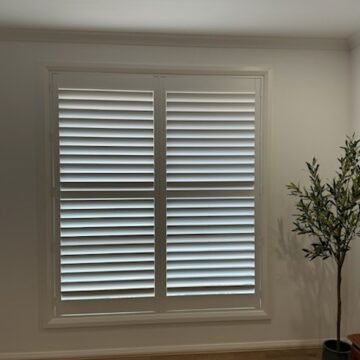
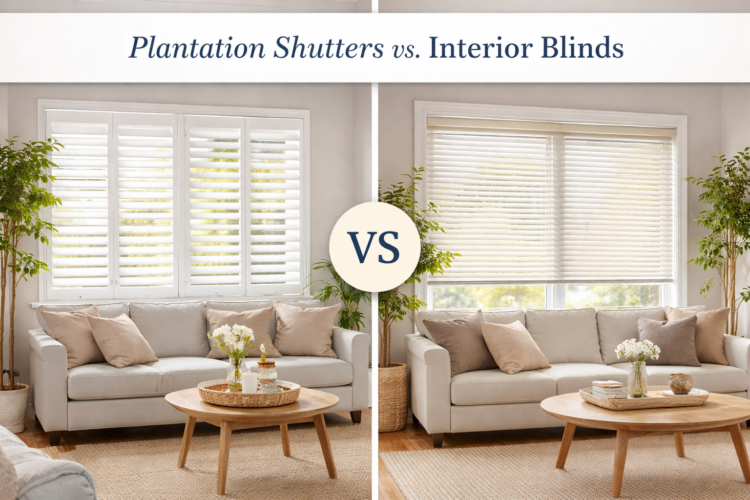
Understanding the core differences between these two options helps you narrow down your choice quickly. Plantation shutters are solid window coverings with adjustable louvres mounted in a fixed frame, while blinds consist of slats, fabric, or panels that operate on a track or cord system. The distinction goes beyond appearance and touches every aspect of performance.
Construction and permanence
Plantation shutters attach to your window frame or recess as a semi-permanent fixture. You can’t easily remove them when you move, and installation requires professional measurement and fitting. They become part of your home’s architecture. Blinds, by contrast, hang from brackets or tracks and you can typically take them with you. Installation is simpler, and replacement takes minutes rather than hours.
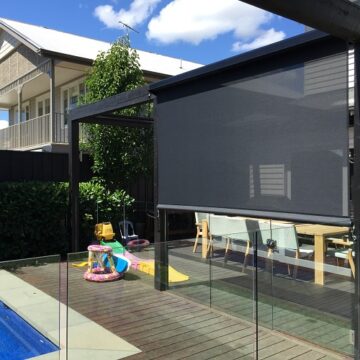
Material choices differ significantly too. Shutters use timber, PVC, or composite materials in substantial frames that add depth to your windows. Blinds range from lightweight aluminium slats to fabric, timber venetians, or vinyl verticals. The physical weight and structure of shutters creates their insulation properties, while blinds rely on their positioning and material composition for any thermal benefit.
The plantation shutters vs blinds decision essentially comes down to whether you want a permanent architectural feature or a flexible, replaceable covering.
Operation methods vary as well. Shutters use a tilt rod or hidden mechanism to adjust louvre angles, with panels that swing open on hinges. Blinds employ cords, chains, wands, or motorised systems to raise, lower, or tilt slats. Your daily interaction with each option feels completely different.
Costs, lifespan and value over time
The upfront cost difference between plantation shutters and blinds is substantial, but the plantation shutters vs blinds equation changes dramatically when you factor in lifespan and maintenance. Your initial savings on blinds can disappear over a decade of replacements and repairs.
Initial investment comparison
Plantation shutters typically cost $450 to $900 per square metre installed in Adelaide, depending on material choice and window size. Quality timber shutters sit at the higher end, while PVC options offer savings without sacrificing much durability. Blinds range from $100 to $400 per square metre, with roller blinds at the budget end and premium timber venetians approaching shutter prices.
Your window size affects the cost gap significantly. Large windows favour shutters because you’re paying for a single custom frame, while blinds might require multiple panels or reinforced mechanisms that push costs higher. Small windows narrow the price difference, making shutters more accessible.
Longevity and maintenance costs
Shutters last 20 to 30 years with minimal maintenance, often outliving the timeframe most Adelaide homeowners stay in one property. You’ll wipe them down occasionally, but that’s typically all they need. Blinds survive 5 to 10 years before cords fray, slats break, or mechanisms fail. You’ll replace them at least twice in the time shutters continue performing.
When you divide shutter costs across their 25-year lifespan, the annual expense often matches what you’d spend replacing blinds every seven years.
Repair costs also differ. Shutters rarely need attention, but when they do, you’re paying for quality workmanship. Blinds break more frequently, and while individual repairs cost less, the cumulative expense adds up over time.
Performance: light, privacy, insulation and noise
Daily performance separates plantation shutters from blinds in ways that affect your comfort and running costs throughout the year. The plantation shutters vs blinds comparison shifts dramatically when you consider how each handles Adelaide’s intense sun, street noise, and temperature extremes. Your choice determines whether you’re constantly adjusting settings or enjoying set-and-forget convenience.
Light control precision
Shutters give you granular control over light entry through adjustable louvres. You can tilt them to direct sunlight toward the ceiling while maintaining privacy at eye level, or close them completely for blackout conditions. Blinds offer similar adjustment with slats, but the gaps between slats let more light bleed through even when closed. Roller and panel blinds provide better blackout performance than venetians but sacrifice the mid-range adjustment options.
Your ability to redirect rather than simply block light matters during Adelaide’s bright summer mornings. Shutters let you bounce natural light deeper into rooms without glare, reducing your reliance on artificial lighting during the day.
Insulation and privacy advantages
Shutters create a solid barrier when closed that blocks sightlines completely and forms an insulating air pocket against your glass. Blinds with overlapping slats or fabric provide privacy but rarely achieve the same thermal resistance. The difference shows in rooms facing west during summer afternoons or south during winter nights.
Shutters can reduce heat transfer through windows by up to 45%, while most blinds achieve 20-30% reduction at best.
Noise reduction follows similar patterns. Shutters dampen street sounds and wind noise more effectively than lightweight blind materials, creating quieter indoor spaces.
What to choose for each room and window type
Your room’s function and window characteristics should guide your plantation shutters vs blinds decision. Different spaces demand different performance priorities, and matching your choice to each room’s needs prevents buyer’s remorse down the track. Window size, shape, and exposure also influence which option delivers the best practical results.
Living areas and bedrooms
Shutters excel in living rooms, master bedrooms, and dining areas where you want a premium aesthetic and maximum insulation. These spaces benefit from shutters’ ability to regulate temperature without constant adjustment, and the visual impact justifies the higher investment. Large windows in these rooms show shutters at their best, creating architectural features that enhance your home’s character.
Bedrooms suit shutters particularly well because their superior light blocking creates better sleep conditions than most blind options. You’ll also appreciate the noise reduction during windy Adelaide nights. Living areas gain from shutters’ durability in high-traffic zones where blinds suffer more wear from daily use.
Bathrooms, kitchens and small windows
Blinds make more sense for bathrooms and laundry areas where moisture exposure and practical cleaning matter more than aesthetics. Aluminium venetians or roller blinds handle humidity better than timber shutters and cost less to replace if needed. You’ll find them easier to wipe down after steam exposure too.
Small windows under one metre wide often suit blinds better because shutter frames consume proportionally more viewing area and light entry space.
Kitchens work with either option, but PVC shutters resist cooking moisture and grease better than fabric blinds while maintaining the premium look. Narrow windows, fixed panes, or awkwardly shaped openings often favour blinds for their installation flexibility and lower custom-fit costs.
Next steps for your windows
You’ve now got the facts on the plantation shutters vs blinds comparison, covering costs, performance, and which option suits different rooms in your Adelaide home. Your next move depends on your budget, timeline, and priorities, whether that’s maximising insulation, achieving a premium aesthetic, or keeping initial costs down.
The decision doesn’t need to be all-or-nothing either. Many Adelaide homeowners install shutters in main living areas where they add the most value, and use blinds for bathrooms, laundries, or secondary bedrooms where the cost difference matters more than long-term durability.
Ready to explore your options with actual samples and expert guidance? Classic Roller Shutters Adelaide manufactures both plantation shutters and a full range of blinds locally, and we offer free in-home consultations where we measure your windows, show you material samples, and provide detailed quotes. You’ll get honest advice based on 40 years of Adelaide experience, not sales pressure.