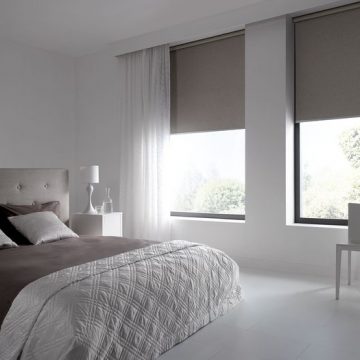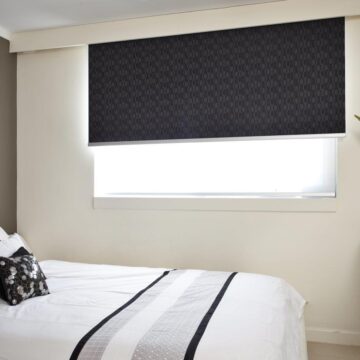
Choosing between vertical vs venetian blinds can feel like a tough call, especially when both options offer practical benefits for Adelaide homes. Whether you’re fitting out a new build, renovating, or simply replacing worn-out window coverings, the right blind type makes a real difference to how a room looks, feels, and functions.
The decision often comes down to your specific windows and lifestyle. Large sliding doors have different needs than compact bedroom windows. Some households prioritise precise light control, while others focus on easy cleaning or a sleek, modern look. Understanding these differences helps you avoid costly mistakes and ensures you’re happy with your choice for years to come.
At Classic Roller Shutters Adelaide, we’ve helped thousands of local homeowners navigate these decisions over our 40+ years in the window coverings industry. This guide breaks down the key differences between vertical and venetian blinds, covering everything from window suitability and light management to maintenance and style, so you can confidently choose the best fit for your home.
Why this choice matters for Australian homes
Australia’s unique climate conditions and lifestyle patterns make your blind choice more significant than you might initially think. Our harsh UV exposure, extreme temperature swings, and indoor-outdoor living culture all influence how well different blind types perform over time. The wrong choice can lead to faded furnishings, uncomfortable rooms during summer heatwaves, or excessive energy bills from overworked air conditioning systems.
Climate and energy considerations
Adelaide’s Mediterranean climate brings scorching summers where afternoon sun can turn west-facing rooms into ovens. Your blind selection directly impacts how much heat enters your home and how effectively you can manage natural light without sacrificing comfort. Some blind types offer superior insulation properties, while others excel at deflecting direct sunlight before it penetrates the glass. These differences translate into real savings on your cooling costs and better year-round comfort for your family.
The right blinds can reduce your cooling costs by blocking heat before it enters your living spaces.
Property value and rental appeal
Prospective buyers and tenants notice quality window coverings during property inspections. The vertical vs venetian blinds decision affects your home’s perceived value and functionality, particularly when it comes to large windows or sliding doors that dominate modern Australian floor plans. Well-chosen blinds that suit each room’s purpose demonstrate thoughtful design and practical living solutions. Properties with appropriate, well-maintained window coverings consistently attract stronger interest and achieve better results in competitive markets. This consideration matters whether you’re planning to sell soon or simply want to maintain your property’s appeal over the long term.
How vertical blinds and Venetian blinds work
Understanding the mechanical differences between these two blind types helps you grasp why each suits different situations. The vertical vs venetian blinds debate often comes down to how their operating systems handle your specific window configuration and daily usage patterns.
Vertical blind mechanics
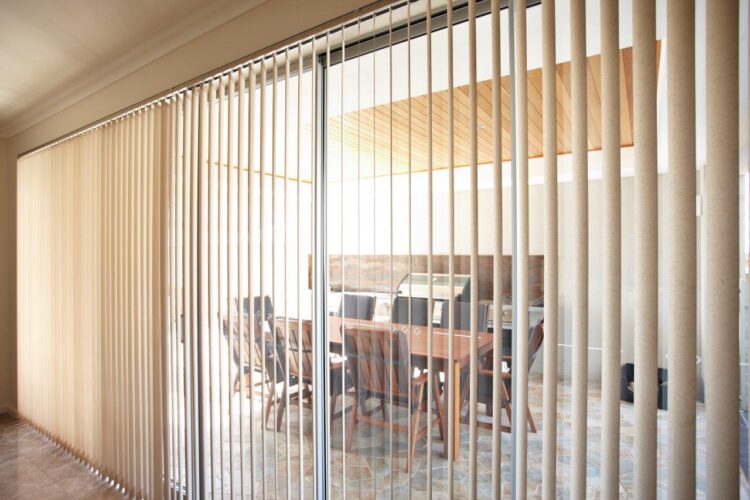
Vertical blinds feature individual slats that hang from a head track and rotate along their vertical axis. You control them using a wand or cord that lets you draw the slats to one side (like opening curtains) or rotate them to adjust light entry. The slats typically measure 89mm or 127mm wide and stack neatly when fully opened, leaving your window or door glass largely unobstructed. This design makes them practical for wide openings like sliding doors where you need frequent access.
Vertical blinds stack to the side, making them ideal for doors that you open and close throughout the day.
Venetian blind mechanics
Venetian blinds consist of horizontal slats connected by cords or tapes that run through the blind’s width. You raise or lower the entire blind using a cord or chain mechanism, while a separate wand or cord rotates the slats to control light angles. The slats usually range from 25mm to 50mm wide and stack upward when lifted, occupying space at the top of your window frame. This configuration works best for standard windows where you don’t need regular physical access through the opening.
Light, privacy, glare and heat control compared
The vertical vs venetian blinds comparison becomes particularly important when you consider how each type manages Adelaide’s intense sunlight and your need for privacy throughout the day. Both blind styles offer adjustment options, but their orientation differences create distinct performance characteristics that suit different situations.
Light direction and adjustment flexibility
Venetian blinds excel at directing light upward or downward through their horizontal slat rotation. You can angle the slats to bounce afternoon sun toward your ceiling, reducing glare while still allowing diffused light to enter. This upward deflection works brilliantly for south-facing rooms where you want brightness without direct heat. Vertical blinds rotate their slats to control light from left to right, which proves more effective for wide windows and sliding doors where sun angles change dramatically throughout the day.
Venetian blinds redirect light up or down, while vertical blinds control side-to-side light entry patterns.
Heat blocking and insulation properties
Your blind’s ability to stop heat transfer depends on how well it creates an air pocket between the glass and your room. Vertical blinds with their continuous slat coverage form a better barrier when fully closed, particularly beneficial for large glass doors facing west. Venetian blinds offer solid heat rejection when tilted closed, though small gaps between horizontal slats can allow some heat penetration during extreme conditions.
Which blinds suit each room and window type
The vertical vs venetian blinds decision depends heavily on your specific room functions and window configurations. Matching the right blind type to each space ensures you get optimal performance without compromising on style or practicality. Your choice affects how easily you can use doors, clean the area, and manage light throughout different times of day.
Living areas and sliding doors
Vertical blinds deliver the best solution for sliding glass doors and large window expanses in living rooms or dining areas. Their side-stacking design gives you unobstructed access when you need to move in and out frequently, whether that’s to your balcony, deck, or backyard. You won’t fight with blind slats every time you open the door, and the vertical orientation naturally complements tall architectural features. These blinds handle wide spans up to several metres without sagging or operational issues.
Vertical blinds let you open doors without wrestling with your window coverings each time.
Bedrooms and standard windows
Venetian blinds work brilliantly for traditional windows in bedrooms, bathrooms, and kitchens where you rarely need physical access through the opening. Their horizontal slats provide precise light control for morning sleep-ins and create complete privacy when tilted closed. You’ll find them easier to clean in smaller spaces and their compact profile suits narrower windows perfectly without overwhelming the frame.
Maintenance, durability, safety and budget factors
Your long-term satisfaction with the vertical vs venetian blinds decision extends beyond initial installation. Daily cleaning requirements, replacement costs, child safety features, and expected lifespan all influence which option delivers better value for your household. These practical considerations often outweigh aesthetic preferences when you’re living with your choice for 10+ years.
Cleaning and upkeep requirements
Venetian blinds accumulate dust on horizontal surfaces, requiring regular wiping or vacuuming of each individual slat. You’ll spend more time maintaining them in Adelaide’s dusty conditions, particularly near busy roads. Vertical blinds collect less dust due to their vertical orientation and prove easier to clean with a quick wipe-down or damp cloth. Their larger slats mean fewer individual pieces to maintain, saving you time during routine cleaning sessions.
Vertical blinds require less frequent cleaning than horizontal venetian blinds in typical Adelaide conditions.
Cost comparison and longevity
Venetian blinds typically cost $400 to $800 per window depending on materials and size, while vertical blinds range from $800 to $1300 for larger door openings. Both options last 8 to 15 years with proper care, though vertical blinds withstand frequent door access better. Your budget should factor in cord safety devices for households with young children, as both blind types require appropriate safety mechanisms to prevent accidents.
Final thoughts
The vertical vs venetian blinds decision ultimately depends on your specific windows, lifestyle needs, and room functions. Vertical blinds deliver the best solution for sliding doors and wide openings where you need frequent access and simple maintenance. Venetian blinds excel at precise light control in standard windows where their horizontal slats can direct sunlight effectively without interrupting your daily routines.
Both options provide reliable performance in Adelaide’s climate when you choose quality materials and professional installation. Your investment protects your furniture from UV damage, reduces energy costs, and enhances your home’s comfort year-round. Consider each room’s purpose, window configuration, and how you actually use the space before making your final choice.
Classic Roller Shutters Adelaide offers free in-home consultations to help you assess your windows and select the right blind type for each room. Our factory-direct pricing and 40+ years of local experience ensure you get quality products installed properly without paying retail markups.