Securing your home is about more than just locking the front door—it’s about creating layers of protection that work together to keep your property, your loved ones, and your peace of mind safe. For Adelaide homeowners, physical home security carries unique challenges and opportunities. From the harsh summer sun and surprise storms to the reality of opportunistic break-ins, the right approach can make all the difference.
This article breaks down the essentials of physical affordable home security, focusing on practical, locally-relevant strategies that work for Adelaide’s climate, housing styles, and community needs. You’ll discover seven proven ways to strengthen your home’s defences—each one tailored for South Australian conditions and backed by expert advice. Whether you’re building a new home, renovating, or simply looking to upgrade your current security setup, you’ll find clear guidance on what works, how to get started, and how to keep your property protected for years to come.
Let’s explore what physical home security means, why it matters here in Adelaide, and how you can take simple, effective steps towards a safer, more comfortable home.
1. What Is Physical Home Security?
Physical home security is the use of tangible barriers, devices and design features to protect your property from unauthorised entry. Rather than relying on a single lock or alarm, it builds multiple defensive layers that work in concert to keep intruders at bay. In practical terms, this means incorporating strategies that discourage would-be burglars, alert you to suspicious activity, slow down forced entry attempts, and enable a swift response.
At the heart of a robust defence are four core components—Deter, Detect, Delay and Respond. Each stage plays a unique role:
- Deter: Discourage intruders before they even reach your door.
- Detect: Identify potential threats early and raise an alert.
- Delay: Slow down any attempt to break in, increasing the chance of interruption.
- Respond: Alert occupants, neighbours or authorities so action can be taken promptly.
These elements combine to create a physical security system that’s more than the sum of its parts. For a deeper dive into these principles, see Pelco’s guide on the four types of physical security.
1.1 Deter: Preventing Intruders from Approaching
A visible barrier is often enough to make a burglar look elsewhere. Common deterrents include:
- Fences or walls that mark clear property boundaries.
- Security signage—whether official-style “CCTV in operation” notices or tongue-in-cheek warnings.
- Prominent cameras or dummy camera housings.
- Landscaping choices like planting thorny shrubs under windows.
By making your home appear well-protected and monitored, you reduce the likelihood of someone attempting unauthorised access in the first place.
1.2 Detect: Identifying a Threat Early
Once an intruder decides to test your defences, early detection is crucial:
- Motion-sensitive lights and detectors around entry points.
- Door and window sensors that trigger alarms or push notifications.
- Security cameras with real-time alerts to your smartphone or a monitoring centre.
These tools give you a heads-up, allowing you—or a monitoring service—to investigate and take action before a break-in escalates.
1.3 Delay: Slowing Down a Break-In Attempt
If an intruder persists, mechanical barriers buy valuable time:
- High-security deadbolts and multi-point locks on external doors.
- Reinforced door frames and strike plates fitted with long screws.
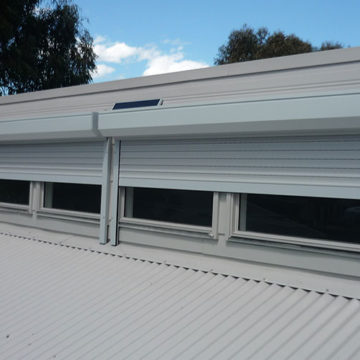
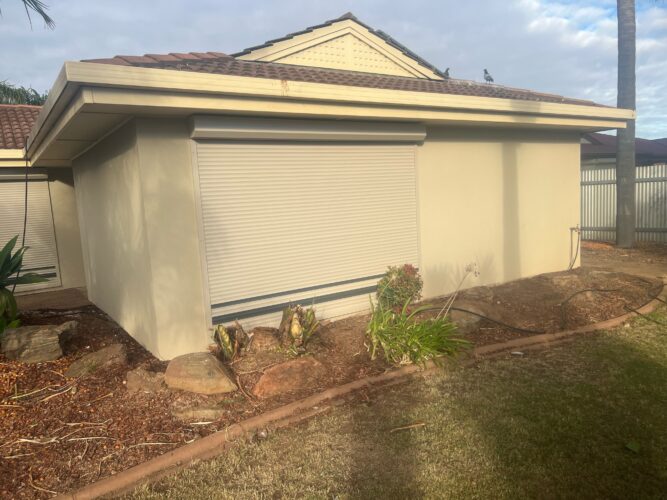
- Factory-quality roller shutters that resist forced opening.
- Security screens or bars on vulnerable windows.
Every second spent prying at a sturdy barrier increases the chance that the attempt will be abandoned or interrupted.
1.4 Respond: Alerting and Acting on Security Breaches
A swift response can make all the difference:
- Audible alarm systems that startle intruders and alert neighbours.
- Mobile app alerts that let you call police or trigger a panic response.
- Participation in a local Neighbourhood Watch or community patrol.
- Automated notifications to a professional monitoring service.
By combining audible warnings with digital alerts and community support, you ensure someone is ready to act if the worst happens.
2. Why Physical Home Security Matters for Adelaide Homeowners
Adelaide’s blend of heritage cottages, modern townhouses and sprawling suburban blocks brings with it unique security challenges—and opportunities. In recent years, South Australia has seen a rise in opportunistic break-ins, particularly during holiday seasons and extreme weather events when properties are unattended. At the same time, our hot summers, occasional storms and even the odd cyclone threat mean that a robust physical barrier can serve double duty: keeping intruders out and the elements at bay.
Beyond crime prevention, investing in physical home security pays dividends in other ways. Many insurers offer discounted premiums when homes are fitted with certified locks, screens or roller shutters. Similarly, features like insulated shutters and screens can reduce heat gain in summer and heat loss in winter—translating to lower power bills. Ultimately, the right combination of deterrents, detection and durable barriers delivers not only peace of mind, but a more comfortable, energy-efficient home.
2.1 Burglary Reduction: Evidence from Australian Research
The Australian Institute of Criminology’s study “Burglary reduction and the myth of displacement” (Operation Anchorage) examined the impact of targeted security interventions in residential areas. Key take-aways include:
- Focused physical security measures led to a 30% drop in burglary rates within treated precincts.
- There was no significant rise in break-ins in neighbouring areas—dispelling the idea that crime simply moves next door.
- Homes with a mix of visible deterrents and sturdy barriers were least likely to be targeted.
These findings underline how even relatively simple upgrades—like window bars, reinforced locks or roller shutters—can deliver measurable crime reduction across an entire community.
For more detail, see the full AIC report: https://www.aic.gov.au/publications/tandi/tandi232
2.2 South Australia Police Recommendations for Homes
SAPOL’s Home Security Habits guide offers straightforward, practical steps every Adelaide homeowner can adopt:
- Lock external doors immediately, even for short absences.
- Secure all windows when you leave the house or go to bed.
- Lock sheds, gates and garages to prevent tool-assisted entries.
- Store spare keys out of sight—never under doormats or plant pots.
By making these practices second nature, you not only protect your own property but help boost safety across your street. SAPOL’s full list of suggestions is available here: https://www.police.sa.gov.au/your-safety/crime-prevention-and-security/home-security/home-security-habits
2.3 Beyond Break-Ins: Weather Protection and Energy Savings
Adelaide homeowners know that our climate can be as harsh as it is beautiful. Quality roller shutters and security screens create a barrier against:
- Summer heat and UV: Reflects solar radiation, cutting cooling costs by up to 30%.
- Storms and cyclones: Provides wind-borne debris protection and meets relevant building codes.
- Noise: Acts as an effective sound barrier on busy roads or during peak tourist season.
By choosing purpose-made products—such as cyclone-rated shutters or certified mesh screens—you safeguard your family and your energy budget at the same time. Over their lifetime, these investments often pay for themselves through lower power bills, reduced maintenance and enhanced durability.
3. 1. Invest in Factory-Quality Roller Shutters from Classic Roller Shutters Adelaide
When it comes to safeguarding your Adelaide home, few products deliver as many benefits as professionally manufactured roller shutters. Classic Roller Shutters Adelaide is a family-run business with over 40 years of experience in local design, fabrication and installation. By supplying directly from our Adelaide factory, we cut out middlemen costs and maintain tight quality control—from the aluminium extrusion right through to the powder-coated finish. Whether you live in a period cottage, a modern townhouse or a new build, custom roller shutters offer a tailored, factory-direct solution that ticks every box: security, insulation and style.
3.1 Key Benefits of Roller Shutters
Roller shutters do far more than simply block the view into your home. The main advantages include:
- Security: A solid barrier that resists prying, kicking or forced opening, making your windows and sliding doors much tougher to breach.
- Privacy: Total blackout when you need it—ideal for bedrooms, media rooms or ground-floor living areas.
- Insulation: Closed shutters trap a layer of air against the glass, cutting heat gain in summer and heat loss in winter. Many Adelaide homeowners report up to 25% savings on cooling and heating costs.
- Noise Reduction: A dense exterior layer helps muffle street sounds, passing traffic or noisy neighbours.
- Light Control: Fine-tuned slat positions let you dial in natural light or complete darkness, depending on the time of day and your mood.
For a typical suburban home, this combination of benefits means greater comfort, lower power bills and a noticeable uplift in security. Learn more about achieving the ultimate Privacy with our specialised solutions.
3.2 CycloneSafe™ Roller Shutters for Extreme Weather
The Adelaide climate can throw unexpected storms or wild winds your way. That’s where our CycloneSafe™ roller shutters earn their name. Designed and tested to a C4 cyclone rating under the Australian Standard AS/NZS1170.2:2011, these shutters feature double-walled aluminium extrusions and reinforced pelmets to withstand high-velocity windborne debris. They’re the ideal choice if you live in a coastal suburb or a property prone to severe weather, offering peace of mind that your glazing is protected even in the fiercest conditions. See full details on our CycloneSafe™ Roller Shutters.
3.3 Motorised vs Manual Operation Options
Choosing between manual and motorised operation is a matter of convenience, budget and power availability:
- Manual Shutters: A cost-effective crank or strap system, perfect for windows you don’t use every day.
- PowerSmart™ Motors: Hardwired electric drives with smooth, silent action and optional key switches.
- SolarSmart™ Plus: Self-charging solar panels power your shutters independently of the mains, complete with battery backup for blackouts.
Motorised options let you set timers, link to smart home platforms and operate multiple shutters at once—handy for those Adelaide mornings when you want to raise every shutter at sunrise without lifting a finger.
3.4 How to Get a Free In-Home Consultation and Quote
We make the process as simple as possible. Just get in touch by phone or via our online form, and we’ll arrange a time that suits you. For new builds, we can even quote directly from your floor plans—no site visit needed until you’re ready. During an in-home consultation, our design specialist will:
- Measure your windows and doors.
- Discuss colours, finishes and control options.
- Walk you through the technical details, such as cyclone ratings or insulation values.
- Provide a transparent, no-obligation quote on the spot.
Start your journey towards better home security and comfort by filling out our contact form today.
3.5 Ongoing Support: Repairs, Spare Parts and Servicing
Even the toughest shutters need a little TLC over time. Classic Roller Shutters Adelaide maintains a dedicated repair division that services all brands, not just our own. If you prefer a DIY fix, we stock a full range of spare parts—from slats and guides to motors and sensors—available to purchase directly from our showroom or online. Our routine servicing packages ensure your shutters glide smoothly, motors stay reliable and seals remain weather-tight for years to come. Whether it’s a one-off repair or an annual check-up, we’ve got your back.
4. 2. Reinforce Your Doors with High-Security Locks and Deadbolts
Your front, back and side doors are often the most obvious—and vulnerable—entry points into your home. Upgrading to robust locks and deadbolts dramatically increases the time and effort required for an intruder to force their way in, making your house far less attractive as a target. In Adelaide’s suburban streets, where opportunistic break-ins can happen during the day as well as at night, investing in the right hardware is one of the most cost-effective security improvements you can make.
4.1 Choosing the Right Deadbolt and Lockset
Not all deadbolts are created equal. When shopping for a new lockset, look for Australian Standard certification (for example, AS 4145.2) which ensures the mechanism has been tested against drilling, picking and levering. Key features to consider:
- Bolt Throw: A 20 mm or greater bolt throw (the length the bolt extends into the frame) resists forced entry.
- Cylinder Strength: Hardened steel or nickel-plated cylinders with anti-drill pins repel drill attacks.
- Pick Resistance: Locks with spool or mushroom pins make lock-picking far more difficult.
- Multi-Point Locking: Often seen on timber or aluminium entry doors, these engage multiple bolts along the door edge—ideal if you live in a heritage cottage or larger modern door.
While you can fit some deadbolts yourself, complex multi-point systems are best installed by a licensed locksmith to guarantee proper alignment and security.
4.2 Installing Reinforced Strike Plates and Door Frames
A high-security bolt is only as strong as the frame it secures into. Standard strike plates and short screws are easy pickings for a crowbar or heavy kick. To reinforce:
- Strike Plate Upgrade: Swap the thin, factory-supplied plate for a heavy-duty model. Ensure it’s fixed with 100 mm coach screws that penetrate well into the wall studs.
- Jamb Reinforcement Kits: These metal sleeves wrap around the door frame, bracing it against splitting or twisting. They’re especially important on older Adelaide homes with softer timber frames.
- Hinge Protection: Fit hinge bolts or security studs to resist removal of the hinge pins, even if an intruder tries to prize the door outward.
Simple upgrades like these can turn a standard door into a formidable barrier—one that will buy you precious minutes if someone attempts to force entry.
4.3 Smart Locks and Keyless Entry Systems
For modern convenience without compromising security, consider a smart lock. These systems replace or retrofit existing deadbolts and typically offer:
- Bluetooth or Wi-Fi Control: Lock and unlock via a smartphone app, even while you’re at work or on holiday.
- Access Logs: Track who enters and exits; ideal for granting one-time codes to tradespeople in your absence.
- Temporary PINs: Issue time-limited codes for pet sitters or cleaners, then delete them once they’ve gone.
- Battery Backup: Ensures the lock stays operational during South Australian blackouts—just be sure to test and replace batteries regularly.
If you already have a smart home hub, check compatibility before you buy. A well-integrated system can send tamper alerts straight to your phone or trigger other devices—like lights or alarms—when the door is unlocked.
4.4 Securing Sliding and Glass Doors
Sliding doors and glass-panel entrances often lack the robust locking mechanisms of solid timber doors, making them a favorite target. To shore them up:
- Track Security Rods: A simple, cost-effective metal or timber rod placed in the bottom track prevents the door from sliding open, even if the lock is compromised.
- Keyed Patio Bolts: These retrofit to the top and bottom of sliding panels, engaging into the frame and stopping any lateral movement.
- Glass-Break Sensors: Install magnetized or acoustic sensors that trigger an alarm at the first sign of tampering.
- Security Film: A clear, tough polyester film applied to the glass helps hold shards together if the pane is shattered.
Combining mechanical restraints with sensors turns your vulnerable patio or side-access door into a well-defended entry point—one intruders are likely to avoid altogether.
5. 3. Secure Windows with Locks, Screens and Shutters
Windows can be one of the most inviting entry points for intruders—particularly if they’re left unlocked or fitted with flimsy latches. By combining strong mechanical locks, certified security screens and optional roller shutters, you turn every window in your home into a robust barrier. In this section, we’ll look at four practical ways to harden your glazing without sacrificing light, ventilation or style.
5.1 Aftermarket Window Locks and Key-Operated Levers
Even standard window catches can be defeated by a quick twist or jimmy bar. Aftermarket locks and key-operated levers are an inexpensive upgrade that bolt straight onto existing frames:
- Keyed levers: These replace or supplement the factory latch, requiring a key to unlock from the outside. They typically cost between $50 and $100 per window.
- Sliding sash locks: Ideal for double-hung windows, these clamp the sashes together, preventing separation. Most retail for about $30–$60.
- Easy fit: No major carpentry needed—simply mark, drill pilot holes and screw into place. Always choose stainless steel fixings to resist rust in Adelaide’s coastal suburbs.
With minimal effort you’re adding a solid layer of protection, and anyone trying to prise your window open will think twice.
5.2 Certified Security Screens and Bars
Security screens aren’t just fly screens with attitude. Look for products tested to Australian Standard AS 5039, which specifies resistance to impact, cutting and lever attacks:
- Stainless steel mesh: A fine, resilient mesh bonded to an aluminium frame offers clear sightlines while still stopping sharp tools.
- Batten-style grilles: These steel bars sit closer together for maximum strength—ideal if you face higher crime rates or want a bolder architectural statement.
- Professional installation: Frames must be fixed with tamper-proof screws into deep noggings or masonry. A poor install can undermine an otherwise excellent screen.
Certified screens not only keep intruders out, they also allow fresh air in and meet local building regulations—no sweat in summer, no worries in wind or rain.
5.3 DIY Glass Reinforcement: Film and Sensors
For homeowners on a tighter budget, DIY glass reinforcement can be a game-changer:
- Security film: A clear polyester film (usually 100–200 µm thick) bonded to the glass makes it much harder to shatter or cut through. Applied with a spray-and-slick method, it costs around $20–$30 per square metre.
- Glass-break sensors: These acoustic or shock sensors mount discretely inside, listening for the unique frequency of breaking glass. When paired with an alarm control panel or smart hub, they’ll trigger an alert at the first crack—often before an intruder has fully entered.
While film alone won’t stop a determined burglar, combining it with sensors buys crucial seconds and amplifies your overall security system.
5.4 Layering with Blinds and Shutters
The final touch is layering internal window coverings for privacy and an extra barrier:
- Internal roller or Venetian blinds: These obscure vision into the home and add a minor physical hurdle.
- Curtains with blackout liners: Thick, lined curtains not only block prying eyes but also muffle noise.
- External roller shutters: The ultimate upgrade—these lock down over your entire window frame, combine insulation with security, and can be integrated into your existing shutter system from Classic Roller Shutters Adelaide.
By stacking these solutions, you create overlapping defences that deter, detect and delay any attempt to breach your windows—keeping your Adelaide home both secure and comfortable.
6. Enhance Outdoor Lighting and Landscaping to Deter Intruders
A well-lit, uncluttered exterior not only makes your home more welcoming, it also sends a clear message to would-be intruders: there’s nowhere to hide. By combining targeted lighting with thoughtful planting and secure barriers, you create a low-maintenance yet effective security layer. Here’s how to transform your Adelaide garden and perimeter into a fortress of visibility.
6.1 Motion-Activated and Solar-Powered Lights
Motion-activated lights startle anyone who steps too close to your home, while solar-powered options eliminate running costs and wiring hassles. In Adelaide’s sunny climate, solar panels charge quickly and keep your lights running through balmy evenings and even cloudy days.
- Choose LED floodlights with a PIR sensor range of at least 8–10 m. A 10 W LED typically delivers 800–1,000 lumens — plenty to illuminate driveways and paths.
- Solar spotlights with built-in batteries recharge during daylight, so they’ll kick in at dusk without adding to your power bill. Look for models rated IP65 or higher to withstand summer storms.
- Opt for adjustable heads so you can fine-tune the detection angle and avoid false triggers from passing wildlife.
Installing these lights at key points ensures that any movement near windows, gates or pathways is immediately exposed.
6.2 Strategic Placement at Entry Points
Where you put your lights is just as important as what you install. Aim to cover every potential entry without creating glare that blinds you—or your neighbours.
- Front and back doors: Position lights at ceiling height, angled downwards to eliminate dark shadows.
- Side gates and pathways: Mount fixtures on fence posts or exterior walls to light the route and deter someone circling the block.
- Garage and carport: A single 15 W floodlight can bathe the entire vehicle entrance in bright, clear light.
- Windows on ground and first floors: If there’s a tree or eave overhang, fit lights beneath it to shine directly on glass and frames.
By mapping out your home’s “dark spots” and methodically filling in the gaps, you create a continuous band of illumination around the perimeter.
6.3 Pruning and Plant Selection to Remove Hiding Spots
Dense shrubs, overgrown hedges and low-hanging trees offer intruders cover and hamper sightlines. With a few landscaping tweaks, you can keep your garden looking lush and open.
- Trim all hedges and trees so that nothing grows higher than 1 m directly under windows. This denies potential hiding places.
- Choose thorny or spiky plants—such as Westringia, lomandra or native banksias—beneath vulnerable windows. They look attractive but discourage anyone from getting too close.
- Keep footpaths and driveways clear of pots, garden ornaments or stacks of timber that could be used as stepping-stones or tools.
- Remove climbing aids like trellises or low branches within 2 m of ground level to prevent easy access to upper-floor windows.
A well-maintained front yard not only boosts street appeal, it also gives neighbours and passers-by clear sightlines to spot anything amiss.
6.4 Fences, Gates and Perimeter Barriers
Defining a strong, secure boundary is vital. The right fence or gate not only marks your territory but also adds a physical obstacle that buys you time.
- Height and materials: A 1.8 m timber or aluminium fence is generally sufficient in suburban settings. Choose slatted or flat-panel designs to prevent footholds.
- Self-closing latches: Fit gates with spring-loaded hinges and key-lockable latches so they never remain unintentionally open.
- Anti-climb measures: Add trellis with angled spikes or roller bars along the top edge if you require extra deterrence.
- Consistent maintenance: Check for loose boards, rust or sagging gates every season. A damaged fence is a weak link.
By reinforcing your perimeter with robust barriers and regularly maintaining them, you ensure that your first line of defence remains unbreached.
Together, these lighting and landscaping strategies dramatically reduce concealment opportunities and increase the sense that your home is both cared for and watched over. In Adelaide’s bright, open neighbourhoods, the best defence is a visible one.
5. Install Security Cameras and Alarm Systems for Detection and Response
Detecting an intrusion quickly and summoning help promptly can be the difference between a thwarted attempt and a costly break-in. Modern security cameras and alarms offer both passive deterrence—just seeing cameras can make intruders think twice—and active defence, with real-time alerts sent to your phone or a monitoring centre. In Adelaide’s dynamic climate, you’ll also want equipment that stands up to scorching summers, dust and occasional storms. Below, we break down the camera types, must-have features, alarm options and smart integration tips to keep your home under constant watch.
5.1 Wired, Wireless and Battery-Powered Cameras
Camera systems come in three main flavours:
- Wired: Hardwired cameras deliver stable power and consistent video feeds without battery worries. They’re ideal for permanent installation on brick or masonry façades but require professional setup.
- Wireless: Wi-Fi cameras are easier to install and can be repositioned without running cables. They rely on your home network, so a strong router and signal boosters may be necessary in larger Adelaide homes.
- Battery-Powered: Truly cable-free, these cameras offer flexible placement—under eaves, in sheds or overlooking driveways. High-capacity batteries last weeks, and many models include solar top-ups for minimal upkeep.
Choosing the right style depends on where you need coverage, how much you want to spend on installation, and whether you have existing infrastructure (like an alarm panel or network cabling).
5.2 Must-Have Features: Motion Detection, Night Vision, Remote Access
When evaluating cameras, look for:
- Motion detection zones: Customisable detection areas help reduce false alarms from passing cars or kangaroos.
- Night vision or colour-night modes: Infrared LEDs or low-light sensors ensure you can identify faces and scenes even after dark.
- Remote access via mobile app: Live viewing, two-way audio and downloadable clips let you respond to any incident in real time, whether you’re at work, the beach or interstate.
- Weatherproof ratings: An IP65 or higher rating ensures the camera stays reliable through Adelaide’s dusty winds and summer storms.
These core features turn your cameras from passive bystanders into an active early-warning system, alerting you and trusted contacts the moment anything moves where it shouldn’t.
5.3 DIY Alarm Kits vs Professionally Monitored Systems
Alarm systems fall into two camps:
- DIY kits: These bundles typically include a control hub, door/window sensors and a siren. You self-install the devices and receive alerts on your smartphone. They suit tech-savvy Adelaide homeowners who don’t mind a hands-on approach and seek cost savings.
- Professionally monitored systems: A local provider installs the equipment, tests it regularly and connects your alarms to a central monitoring station. If a sensor is triggered, security staff can verify the event—often via camera feeds—and dispatch emergency services if needed. Although more expensive, this option offers ultimate peace of mind, especially when you’re away on holiday or during busy workweeks.
Assess your budget, technical comfort level and how quickly you’d want a trained response team involved in the event of an alarm.
5.4 Integration with Smart Home Platforms
For a seamless experience, look for cameras and alarms compatible with popular smart-home ecosystems:
- Apple HomeKit, Google Home and Amazon Alexa let you view camera feeds, arm or disarm alarms by voice command and automate responses—such as turning on lights when motion is detected.
- If you’re already running motorised roller shutters or smart lighting from Classic Roller Shutters Adelaide, integration can unify your security, climate control and lighting under a single app.
- Custom automation scenes—like “Away Mode”—can automatically close shutters, lock smart deadbolts and activate motion sensors when you leave the house.
By linking cameras, alarms and other smart devices, you ensure that detection triggers a coordinated response, making your Adelaide home not only secure but also intuitive and hassle-free.
6. Secure Outbuildings, Garages and Sheds with Quality Locks and Storage
Outbuildings—from your backyard shed to the garage—often house expensive tools, garden equipment and seasonal items. Yet these secondary structures can be an afterthought when it comes to home security. By fitting robust locks, organising your valuables thoughtfully and reinforcing doors and panels, you ensure that a break-in attempt at your main house doesn’t simply shift to your shed or garage. Here’s how to lock down every corner of your property.
6.1 Cut-Resistant Padlocks and Security Hinges
A flimsy latch is an invitation to thieves. Invest in padlocks specifically designed to resist bolt cutters and hacksaws:
- Hardened-steel shackles: Look for padlocks with boron or stainless-steel shackles rated to at least H6 under the Common Criteria or conforming to Australian Standard AS4145.2.
- Shrouded bodies: A covered shackle design prevents nicks or sawing attempts.
- Security hinges: Replace exposed hinge pins with security-pin hinges or weld hinge studs to the frame so burglars can’t remove the door by tampering with the hinges.
Fit padlocks to both the door latch and an internal hook or hasp firmly anchored with 100 mm coach screws. These simple upgrades often deter intruders looking for a quick, unchallenged entry.
6.2 Organising Tools, Ladders and Equipment Safely
Clutter makes it easier for thieves to grab and go. A well-organised shed not only boosts your productivity, it also cuts down on theft:
- Lockable cabinets: Store high-value items—like power tools and gardening machinery—in secure, steel-bodied cabinets or chests.
- Wall-mounted racks and hooks: Keep ladders, hoses and hand tools off the floor and out of sight. If ladders are left leaning against the shed, they become a built-in step for scaling windows or rooflines.
- Inventory list: Maintain a simple spreadsheet or photo log of serial numbers. In the event of a break-in, you’ll have the details police and insurers need.
By reducing visibility and limiting quick grab-and-run access, you make your outbuildings far less inviting for opportunistic thieves.
6.3 Upgrading Garage Doors: Smart Openers and Reinforced Panels
Your garage door is a major target—especially if it houses the car or pricey tools. A two-pronged approach works best:
- Smart garage door openers: Choose units with rolling-code encryption and smartphone integration. These let you monitor activity, receive alerts if the door is left open and even grant one-time access codes to tradespeople. Many models include a manual-override lever hidden inside, so you’re never locked out during a power cut.
- Reinforced panels: If your garage door is a single-skin steel panel or timber sheet, consider upgrading to a double-skin sectional door with internal steel ribs. Not only is it more rigid against kicking, it also adds thermal insulation—handy during Adelaide’s searing summers.
When paired together, these upgrades make your garage door both a smart device and a solid barrier against forced entry.
6.4 Anchoring and Securing Lightweight Sheds
Budget garden sheds are often bolted to the ground with simple expansion bolts—but these can pull out if leveraged. To anchor and secure your shed properly:
- Concrete pad anchors: Use heavy-duty anchor kits designed for corrugated iron or lightweight steel frames. These spread the load into the slab rather than just gripping the surface.
- Mesh-covered windows: If your shed has windows, fit fine stainless-steel mesh screens from the inside. They allow light and ventilation but keep prying tools out.
- Padlocked door reinforcement: Similar to outbuildings, fit a hasp-and-padlock arrangement rated to H6 or better. Ensure the locking points connect through both door and frame rather than just the door skin.
Finally, check your shed’s structural integrity each season—especially after heavy winds or storms—to ensure anchors remain tight and no panels have sprung loose. With these steps, even a modest backyard shed becomes a secure vault for your belongings.
By extending the same level of care to your outbuildings, garages and sheds as you do to your main house, you close off potential weak spots that burglars often exploit. Combined with the strategies covered earlier, you’ll have a truly comprehensive physical security system for your entire Adelaide property.
7. Maintain and Service Your Security Equipment Regularly
Even the most robust physical security measures need routine care to remain effective. Adelaide’s sunny summers, occasional storms and coastal salinity can take a toll on locks, shutters, sensors and electronics. By scheduling regular maintenance, you not only extend the life of your investment but also ensure that every component functions exactly when you need it most. Below are four key steps to keep your home’s defences in peak condition.
7.1 Scheduling Professional Inspections and Repairs
It pays to have a trained technician inspect your security system at least once a year. During an inspection, a professional will:
- Check roller shutter tracks, motor performance and control switches
- Test door and window lock alignment, strike plates and multi-point mechanisms
- Verify alarm sensors, sirens and camera feeds for any faults or degraded performance
- Identify wear on hinges, fasteners and weather seals
In Adelaide, professional visits typically range from $150 to $300, depending on the scope of work. Classic Roller Shutters Adelaide offers a tailored servicing package that covers labour, basic parts replacement and a detailed condition report—so you know exactly which components, if any, need urgent attention.
7.2 Testing and Replacing Batteries in Alarms and Remotes
Battery failure is one of the most common causes of security breakdowns. For uninterrupted protection:
- Test alarm control panels, wireless door/window sensors and key-fob remotes every three months
- Replace alkaline or lithium batteries annually, or whenever your system indicates a low-battery warning
- Keep a small stock of recommended battery types (e.g. CR2032, AA, 9V) on hand for quick swaps
Setting quarterly reminders in your calendar or smartphone ensures you’ll never miss a critical battery change. A simple “beep” or indicator light can warn you long before your device goes completely offline.
7.3 Cleaning and Lubricating Locks, Hinges and Shutters
Dust, salt and grime can hinder mechanical parts over time—especially in coastal suburbs or dusty inland areas. To preserve smooth operation:
- Wipe down external shutters, tracks and guides with a mild detergent solution every six months
- Rinse and dry thoroughly to prevent corrosion, then apply a light spray of silicon-based lubricant to moving components
- Clean lock cylinders and hinges using a graphite-based or Teflon dry lubricant—avoid oil-based sprays that attract debris
- For sliding doors, clear the bottom track of dirt and apply a dry silicon spray to maintain effortless gliding
Regular cleaning not only prevents premature wear but also keeps your home looking neat and well-maintained.
7.4 Upgrading Outdated or Faulty Equipment
Security technology evolves rapidly. Even well-serviced equipment may become obsolete or lose certification:
- Watch for warning signs such as slow shutter operation, intermittent camera drop-outs or door latches that no longer engage cleanly
- If parts are discontinued or sensors no longer integrate with newer smart platforms, consider a full upgrade rather than patchwork repairs
- Evaluate replacement costs against long-term benefits: newer motors can be more energy-efficient, locks may meet higher AS standards, and modern sensors often reduce false alarms
When you’re ready for an upgrade, Classic Roller Shutters Adelaide can retrofit existing installations with the latest motors, controls and safety features—keeping your Adelaide home protected today and prepared for whatever the future brings.
By committing to a regular maintenance schedule, you ensure that every aspect of your physical security system remains reliable. A few simple checks throughout the year can save you time, money and peace of mind in the long run.
10. Additional Physical Security Measures to Consider
Even after you’ve addressed the key seven strategies, there are still extra layers you can add to strengthen your home’s defences. These supplementary measures are relatively low cost or effort but can make a real difference when combined with your existing security setup. Here are four practical additions to consider:
10.1 Installing an In-Home Safe for Valuables
An in-home safe provides a secure refuge for passports, heirlooms, cash and other irreplaceable items. When choosing a safe, look for one with an Australian or international fire rating—typically 30 or 60 minutes of fire protection. Size matters too: a compact safe may suit documents, whereas a larger, heavier model can accommodate jewellery and electronics.
Anchoring is crucial. Bolt your safe to floor joists or a solid masonry wall using heavy-duty anchor kits. A poorly mounted safe can be removed in seconds, defeating the purpose entirely. Finally, pick a discreet but accessible location—inside a walk-in wardrobe or a concealed cupboard often works well. Avoid obvious spots like the master-bedroom floor; a hidden corner under the stairs or inside a built-in cabinet offers better stealth.
10.2 Displaying Security Signage and Alarm Stickers
A simple “Protected by Alarm” or CCTV notice can have a surprisingly strong deterrent effect. Criminals hate the risk of identification or recording, so clear signage at your gate, front door or driveway can prompt them to move on. Make sure any CCTV stickers comply with local requirements: they must be prominently displayed so visitors are aware they could be recorded.
Keep the design straightforward—high-contrast text on a bright background is easiest to spot. Even if you don’t have a monitored alarm, a “Beware of Dog” or “24-Hour Surveillance” sticker can sow enough doubt in a burglar’s mind to avoid your property altogether.
10.3 Joining a Neighbourhood Watch or Community Patrol
Local eyes and ears are among the most effective crime-prevention tools. Neighbourhood Watch groups bring residents together to report suspicious activity, share security tips and coordinate informal patrols. You can find your nearest group via the South Australia Police website or by contacting your local council’s community safety officer.
Becoming active is simple: attend a monthly meeting, exchange contact details with fellow members and sign up for any WhatsApp or email alert threads. A community that looks out for one another makes every home safer—plus, you’ll get to know your neighbours and build a stronger sense of camaraderie.
10.4 Locking Down Your Wi-Fi Network for Smart Devices
Smart locks, cameras and roller-shutter motors all rely on your home network—and an unsecured router can be an open door for cyber-savvy intruders. Start by enabling WPA2 or WPA3 encryption and setting a strong, unique password. Change the default administrator login, disable WPS and hide your SSID if your router supports that feature.
Position your router centrally in the house—away from external walls and windows—to limit its broadcast range outside. Keep firmware up to date (most modern routers can apply updates automatically) and consider setting up a separate guest network for visitors. Finally, if your alarm or camera system supports VLANs or a dedicated subnet, use them to isolate Internet-of-Things devices from personal computers and phones.
By layering these additional measures on top of your core security strategies, you’ll round out a defence-in-depth approach that addresses everything from physical barriers to community vigilance and cybersecurity. Each small step adds resilience, helping ensure that no weak link remains for opportunistic intruders to exploit.
11. Your Next Steps for a Safer Adelaide Home
You’ve now seen how seven practical strategies—from factory-quality roller shutters and reinforced locks to lighting, cameras and diligent maintenance—work together to create a resilient home defense. Each layer plays its part: deterrents keep intruders guessing, detection devices raise the alarm, sturdy barriers buy you time and a prompt response can turn the tide at the first sign of trouble. Taken as a whole, these measures form a comprehensive “defense-in-depth” plan tailored for Adelaide’s climate, building styles and local crime trends.
Start by walking your property and conducting a quick audit. Note any unlocked doors or windows, dark corners in the garden, aging locks on gates or faded alarm-system batteries. Then, rank your findings: which issue feels most urgent? You might begin with a free in-home consultation on roller shutters for high-risk rooms, or swap out an old deadbolt for a multi-point lock. Remember, improvements can be phased in over weeks or months—no need to tackle everything at once.
Next, set realistic targets and budget timelines. For example, you could aim to upgrade door hardware this month, optimize lighting and landscaping next quarter, and review camera and alarm setups before the holiday season. Mark calendar reminders for routine checks—battery changes, lubrication, sensor tests—so your investment stays reliable year after year. And don’t forget to involve your Neighbours: sharing tips and pooling local vigilance often yields quicker, more sustainable results.
Ready to take the first step towards lasting peace of mind? Visit Classic Roller Shutters Adelaide to explore our range of custom-made shutters, motorization options and free, no-obligation quotes. Whether you’re in a period cottage, modern townhouse or new build, our team of Adelaide specialists is here to guide you—one layer of security at a time.