Adelaide’s climate can be as changeable as it is beautiful—one moment you’re basking in a gentle breeze, the next you’re shielding your home from searing sun, gusty winds or an unexpected downpour. For many homeowners, the quest for comfort, energy savings and privacy starts at the window. The right outdoor blinds don’t just protect against South Australia’s notorious UV rays or a fierce summer storm; they can transform an outdoor area into a year-round retreat while adding genuine value and street appeal to your property.
But with so many outdoor blind options available, choosing the best fit for your home can feel overwhelming. Each style—whether it’s the sleek lines of motorised Ziptrak blinds, the robust security of roller shutters, or the classic charm of canvas awnings—offers unique benefits and practical considerations. Materials, operating systems, colour choices and maintenance all play a part. And for those in bushfire-prone zones or focused on sustainable living, compliance with energy efficiency and safety standards is no longer optional—it’s essential.
This article unpacks twelve leading outdoor blind and awning solutions tailored to Adelaide conditions. You’ll find a clear comparison of features, pros and cons, costs and upkeep for each option, plus handy tips on compliance with Australian energy and bushfire regulations. Whether you’re a homeowner, property manager or builder, you’ll discover how to match your style, budget and climate needs with the perfect blind. For those after local expertise and factory-direct value, we’ll also point you towards Adelaide’s own Classic Roller Shutters—your one-stop shop for outdoor living solutions designed and made right here in South Australia.
1. Custom Outdoor Blinds by Classic Roller Shutters Adelaide
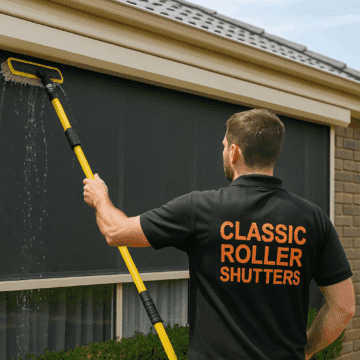
As a family-run, factory-direct manufacturer with over 40 years of local expertise, Classic Roller Shutters Adelaide specialises in tailor-made outdoor blinds and shading solutions. Serving metropolitan and regional South Australia, they handle every phase from your initial free in-home consult to bespoke design, precision manufacture, professional installation and dedicated repair services.
Overview of Classic Roller Shutters Adelaide
What started as a small Adelaide workshop has grown into a trusted name in window coverings. The team combines skilled tradespeople and design consultants to deliver products that meet both performance and style objectives. Their insistence on clear communication, transparent pricing and punctual service means you know exactly what to expect—no surprises, just quality results.
Comprehensive Range of Outdoor Blind Solutions
Classic Roller Shutters Adelaide’s extensive outdoor living range caters to diverse needs:
- Roller Shutters for enhanced security and insulation
- Ziptrak® for sleek, spring-balanced operation
- Zipscreen® for high-tensile enclosure of patios and pergolas
- Straight Drop Verandah Blinds for fast, full-height shading
- Zip Roll Ups tucked into compact headboxes
- Café Blinds for year-round insect and weather protection
- Awnings in a variety of styles and fabrics
For more details on each option, explore their guide to outdoor blinds and which product is right for you.
Enhancing Curb Appeal with Stylish Blinds
Choosing the right blind style and colour can boost your home’s street presence. Whites and off-whites offer a crisp, timeless look, while soft greys or muted earthy hues help integrate your blinds with brickwork or landscaping. According to design experts, painted shutters and neat-lined fabrics create a cohesive, high-end finish when viewed from the street.
Local Manufacturing, Quality Assurance and Warranties
Every blind is crafted in Adelaide using premium Australian-made fabrics and extruded aluminium. Components are selected for UV stability, coastal corrosion resistance and pest deterrence. With rigorous quality checks and a workmanship guarantee, each installation also benefits from robust product warranties—details can be found on the Outdoor Blinds Adelaide page.
Free Consultations and Quotations
Kick off your project with a no-obligation measure and quote in the comfort of your own home. If you’re working from architectural plans, simply email them for an accurate estimate. By cutting out middle-men, Classic Roller Shutters Adelaide offers factory-direct pricing and shorter lead times—keeping your project on budget and on schedule.
2. Ziptrak Outdoor Blinds
Ziptrak® blinds use a patented spring-balanced mechanism to keep your fabric taut within discreet side channels—no loose cords, no sagging middle. When you pull the bottom bar, the blind glides smoothly down and locks at any height; a simple tug releases it for retraction. The result is a clean, frameless look that complements modern façades and heritage terraces alike.
Built for frequent use and harsh conditions, Ziptrak components are made from marine-grade aluminium and UV-stable fabrics that resist corrosion and fading. Whether you’re on a breezy coastal balcony or a sun-baked courtyard, these blinds shrug off wind and weather with minimal upkeep and maximum longevity.
Material and Transparency Options
Choose the fabric that matches your needs:
- Mesh (70–99% UV block): Lets air flow through while filtering glare—ideal for cooling breezes without sacrificing views.
- Clear or tinted PVC: Creates a rain- and wind-proof barrier so you can entertain outdoors in any season, all while enjoying unobstructed outlooks.
Pelmet and Bracket Variations
Ziptrak offers four mounting styles to suit your architecture and aesthetic:
- Open bracket: Leaves the blind visible when retracted for a utilitarian appeal.
- Back-flashing bracket: Hides the rolled-up blind from external view.
- Traditional pelmet: A full head box that shields fabric and mechanism from debris.
- Streamline Pelmet with Insect Control: A slimline aluminium fascia with integrated brush seals to keep bugs and leaves at bay.
Weather Strips and Custom Skirts
Seal gaps and stop drafts with tailored bottom-edge solutions:
- Standard weather strip: Adjusts to minor surface irregularities, keeping out wind and rain.
- Large weather strip: Offers extra coverage for sloping or uneven floors.
- Custom skirt (valance): A sewn-on fabric extension for uniquely angled or decorative edges.
Operation Modes: Manual, Pull Stick, Motorised
Control options for every preference and installation height:
- Manual (spring-balanced): Pull down or push up on the bottom bar—locks automatically at any point.
- Pull stick: Attach a lightweight rod for effortless reach on higher blinds.
- Motorised: A hidden in-pelmet motor (including optional SolarSmart™ solar power) lets you operate blinds at the touch of a button—perfect for large spans or hard-to-reach spots.
3. Zipscreen Outdoor Blinds
Zipscreen® Outdoor Blinds use a tensioned screen system to turn your pergola, patio or balcony into a fully enclosed living area. The high-tensile mesh or PVC fabric glides within slimline aluminium tracks and locks at any position, keeping wind-driven rain and insects out while preserving your view. Unlike loose drops, Zipscreen delivers a neat, uninterrupted face that blends seamlessly with contemporary or traditional façades.
Frame and Track Construction
Each Zipscreen assembly starts with reinforced extruded aluminium frames. The vertical tracks are engineered for rigidity, so the fabric remains taut even in gusty conditions. Heavy-duty base rails anchor the blind to the floor or landing, and strategically placed neodymium magnets help secure the bottom edge against the frame—preventing fabric flutter without bulky fastenings.
Fabric Choices and UV/Weather Protection
Pick from a range of high-performance screens:
- Sun-control mesh (70–90% UV block) lets air circulate while filtering glare and heat.
- Clear or tinted PVC creates a solid barrier against rain and wind, giving unobstructed views on chilly days.
All fabrics are UV-stabilised, mildew-resistant and engineered for Adelaide’s extremes. Whether you’re after diffused daylight or robust weather-proofing, Zipscreen has a material to suit your outdoor space.
Cleaning and Maintenance Guidance
Regular care keeps Zipscreen operating smoothly and looking fresh:
- Brush off loose dirt or leaves with a soft-bristle broom.
- Wipe the fabric using a mild detergent solution; rinse thoroughly with clean water.
- Clear any debris from the tracks and wipe with a damp cloth.
- Examine magnet seals and brush strips; replace worn components to maintain tension.
This simple routine every few months prevents mould, ensures effortless operation and extends the life of your blinds.
Colour and Design Customisation
Match your Zipscreen to your home’s palette with powder-coated frames in classic whites, greys or bolder charcoal and earthy hues. Custom finishes allow you to coordinate with gutters, window trims or brickwork, creating a cohesive look that enhances both comfort and curb appeal.
4. Straight Drop Verandah Blinds
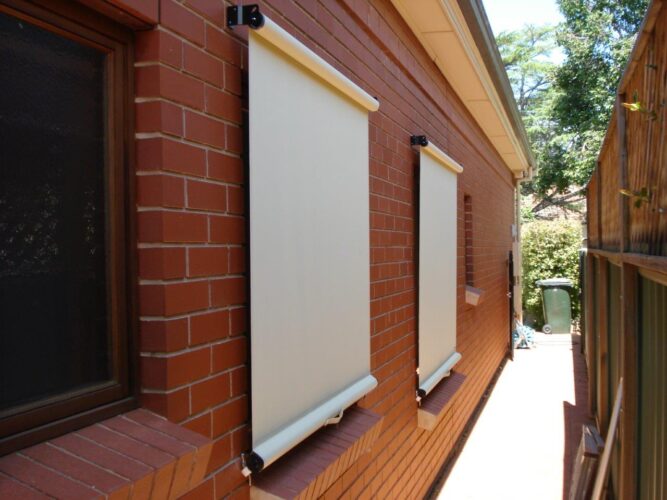
Straight drop verandah blinds are the no-nonsense solution when you need instant full-height shading for a patio, carport or verandah. The blind rolls down from a fixed headbox and locks at the bottom, creating a uniform screen that blocks glare, wind and light rain. With a minimalist profile, they’re ideal for homeowners who want quick sun control without bulky hardware or complex mechanisms.
Fabric and Colour Selection
Choosing the right fabric makes all the difference in performance and style. Mesh and sunscreen materials filter harsh sunlight while still allowing airflow, perfect for cooling breezes on a hot Adelaide afternoon. If privacy or total block-out is your priority, thicker block-out fabrics or vinyl offer near-complete light exclusion.
• Mesh/Sunscreen: 70–90% UV block; retains visibility of the garden
• Block-out Vinyl: 100% light seal; adds privacy for bedrooms or media rooms
• Popular decorator shades: muted greys, beige and charcoal pair effortlessly with brickwork and timber beams
Control Options: Spring-Loaded vs Motorised
Most straight drop blinds come in two basic operation styles:
• Spring-Loaded Manual: A built-in spring mechanism lets you pull the blind down and lock it into position. It’s a cost-effective option that requires minimal maintenance but can be stiff to operate on larger spans.
• Motorised Electric Spring Drives: For effortless use, electric drives tuck neatly into the headbox, enabling remote or wall-switch control. The extra investment brings convenience—especially for high or hard-to-reach installations—and can even integrate with home automation systems.
Installation Best Practices
Correct fitting ensures smooth operation and longevity. Installations typically follow two methods:
• Face-Fix: Brackets attached directly to the verandah beam or wall face provide a clean look and easy access for maintenance.
• Soffit-Fix: Secure fixings under an overhang or soffit help conceal the blind’s headbox for a seamless appearance.
It’s crucial to check wind-rating classifications (usually WAT30 to WAT40 for Adelaide’s coastal breezes) and maintain the manufacturer’s recommended clearance from obstructions such as light fittings or gutter spouts.
Ideal Use Cases in Adelaide
In Adelaide’s varied suburbs, straight drop verandah blinds prove their worth in scenarios like:
• Carports: Shield vehicles from midday sun and sheet rain without enclosing the space.
• Coastal Verandas: Block chilling sea breezes while preserving views of the water.
• Low-Traffic Patios: Offer a quick, budget-friendly shade option on seldom-used outdoor rooms.
Whether you’re after a simple windbreak or reliable sunshade, straight drop blinds deliver fast results with minimal fuss.
5. Zip Roll Up Blinds
Zip Roll Up Blinds are the perfect blend of discretion and functionality. Housed within a slim aluminium cassette, the fabric remains neatly rolled away until you need it—ideal for schemes where unobtrusive design is key. When lowered, they provide full-height screening, yet the minimalist headbox and side channels keep the hardware almost invisible, preserving sightlines and architectural lines.
Operation Mechanisms
There are two main ways to operate Zip Roll Ups:
- Push-up/Pull-down: A spring-loaded mechanism lets you raise or lower the blind with a simple push or pull on the bottom bar. The built-in tension ensures the fabric stays taut and locks into position without cords.
- Cord-Controlled: A discreet cord loop can also be fitted, giving precise control over the blind’s height. Adjustable cleats keep the cord neat when not in use.
Some systems feature an adjustable-tension spring, allowing you to fine-tune how firmly the blind holds at any point. Whether you prefer a cordless look or the extra control of a looped cord, these options cater to different preferences and safety requirements.
Material Grades and Light Control
Zip Roll Up Blinds come in a choice of fabrics to suit your light-management needs:
- Sunscreen Mesh: Filters up to 90% of UV rays, reduces glare and retains views to the garden.
- Vinyl or Polyester Canvas: Offers close to 100% block-out performance, ideal for media rooms or bedrooms where privacy and darkness are essential.
Each grade is UV-stabilised to prevent fading and mildew, so your blinds will look sharp in Adelaide’s sun-drenched summers and cooler months alike.
DIY Versus Professional Installation
For handy homeowners, smaller Zip Roll Ups can be installed using a tension-rod kit—no drilling required. Simply measure the opening, cut the fabric to size and clip the cassette into brackets fixed to the wall or beam.
However, larger spans or those requiring strict wind-rating compliance are best handled by professionals. Factory-trained installers ensure correct alignment of side channels, proper spring tensioning and secure fixing—vital for smooth operation and longevity.
Best Applications
Zip Roll Up Blinds excel in locations where you need flexible screening without bulky frames:
- Balcony fronts where uninterrupted views matter.
- Courtyard windows that benefit from seasonal shading.
- Small patio enclosures in townhouses or unit blocks.
Their discreet profile and straightforward operation make them a popular choice for contemporary Adelaide homes looking to balance style with practicality.
6. Café and Patio Blinds
Café and patio blinds turn any outdoor area into a cosy, all-season retreat. These full-height screens are typically crafted from clear or tinted PVC, robust canvas or specialised sunscreen mesh, and roll down to create a barrier against wind, rain, UV rays and pests. When raised, they disappear into a neat headbox; when in use, they offer uninterrupted views while shielding diners and loungers alike from the elements.
Whether you’re aiming to protect an alfresco corner at home or create a weatherproof dining space in a commercial setting, café and patio blinds provide a flexible solution that balances transparency, insulation and durability. From keeping your morning coffee free from errant autumn breezes to entertaining guests during a surprise shower, these blinds let you embrace South Australia’s outdoors without compromise.
PVC vs Sunscreen vs Canvas
Each material option carries its own strengths:
- PVC: Offers total weatherproofing and clear sightlines. High-grade Japanese or European PVC remains crystal clear and resists yellowing, yet it can feel warmer in direct sun.
- Sunscreen Mesh: Woven from UV-stable fibres, sunscreen mesh blocks up to 90% of harmful rays while allowing airflow. You’ll get a cooler, glare-reduced zone without losing the view.
- Canvas: PVC-backed canvas or heavy-duty polyester blends strike a middle ground. They provide near block-out performance and sound dampening, yet cost less than premium PVC.
Durability varies too—PVC and canvas endure knocks and stains better than delicate mesh, but the latter excels in maintaining a breezy ambience. Budget considerations often favour mesh or canvas, while clear PVC sits at the higher end of the price spectrum.
Adjustable Transparency
One of the biggest advantages of café and patio blinds is the ability to control how much you let in. Clear PVC delivers unobstructed panoramas, perfect for spotting kids in the backyard or keeping an eye on passing foot traffic. Sunscreen fabrics, on the other hand, filter harsh light without plunging your space into darkness—ideal for afternoon lunches or late-arvo relaxation. Canvas and block-out materials can be chosen in varying opacities, from semi-transparent to near 100% privacy, letting you tailor the atmosphere to your mood or event.
Weather and Pest Protection
By creating a sealed environment, café and patio blinds extend the usability of your outdoor space year-round. On blustery days, they act as a formidable windbreak; during light rain, they form a watertight shield. More importantly for many Adelaide families, these blinds keep insects at bay—no more swatting at flies or chasing away mosquitoes during sunset drinks. Quality seals along side channels and sturdy bottom rails ensure leaves, dust and critters stay out, while you stay comfortable.
Styling Tips for Alfresco Dining
Integrating café and patio blinds into your décor can lift your outdoor area from functional to fabulous. Consider pairing neutral-toned screens with timber or rattan furniture to create a warm, resort-style vibe. String-lights or hanging pendants add ambience when the sun goes down, emphasising the transparency of your blinds without cluttering the view. Potted greenery—think tall palms or trailing ivies—softens the edges of the screens and brings a garden feel into the enclosed space. Finally, coordinate your blind colours with cushion fabrics and tableware to tie the look together and reflect your home’s exterior palette.
7. Pivot Arm Awnings
Pivot arm awnings are a robust, fixed shading solution that combine form and function. Mounted above windows or doors, these awnings consist of kettle-shaped arms set at an angle, supporting a taut canopy of canvas or PVC-laminated fabric. Their angled profile not only adds architectural interest to your façade but also directs sunlight and rainwater away from your living spaces.
Airflow and Shading Benefits
The pitched design of pivot arm awnings encourages natural airflow under the canopy, creating a cooler zone against hot Adelaide walls. As the sun moves throughout the day, the angled fabric deflects direct rays before they strike glass, cutting solar heat gain by up to 70%. At the same time, you retain ambient daylight and outdoor views, rather than plunging interiors into darkness.
Recommended Applications
Pivot arm awnings excel when shading large glazed openings. They’re ideal above:
- Wide picture windows in living or dining areas
- French doors that open onto patios or decks
- Ground-floor living rooms where glare is a concern
In commercial settings, these awnings also suit shopfronts and café façades, providing consistent shade without impeding pedestrian access.
Material and Frame Options
The strength and longevity of pivot arm awnings stem from their materials:
- Frame: Powder-coated aluminium arms resist corrosion and maintain rigidity; stainless steel fixtures ensure marine-grade performance for coastal homes.
- Canopy: Choose from fade-resistant, PVC-laminated fabrics for full weatherproofing or breathable acrylic canvas for better airflow and classic texture. Both options come in a palette of solids and stripes to complement brickwork, stone or rendered walls.
Installation and Council Considerations
Correct installation is crucial for performance and compliance. A minimum pitch of 14° is recommended to allow rainwater to run off and prevent pooling, which can damage fabric. If your pivot arm awning projects beyond your property boundary or sits within a front setback, local council approval may be required—particularly in heritage zones. Always engage a licensed installer to confirm wind-load ratings and secure fixings into structural members, ensuring your awning meets Adelaide’s building regulations.
8. Retractable (Folding Arm) Awnings
Retractable (folding arm) awnings are a versatile way to create shade on demand. When you want open sky, the arms fold neatly back against your fascia; when you need shelter, a simple crank or button extends the canopy to its full projection. This flexibility makes them popular over patios, decks and café terraces where changing sun angles or sudden showers are a regular feature.
Manual Crank vs Motorised Operation
Manual crank operation remains a reliable, cost-effective choice. A hand crank connects to a gearbox, so you can extend or retract the awning with a few turns. It’s straightforward, low-maintenance and unaffected by power outages.
By contrast, motorised awnings bring effortless convenience. A tubular motor hidden within the roll tube powers extension at the touch of a wall switch, remote control or even a smartphone app. Ideal for larger spans or hard-to-reach installations, electric drives can integrate with home automation systems and timers, so your awning responds automatically to sunrise and sunset if you wish.
Wind Sensors and Automated Safety
For both manual and motorised systems, optional wind sensors provide an extra layer of protection. The sensor mounts to the top rail and detects high winds—if gusts exceed your preset limit, it signals the motor to retract the canopy instantly. This safeguard helps prevent fabric tear, arm damage and unsightly sagging during unexpected storms.
Customisation Options
Retractable awnings can be tailored in dozens of configurations to suit your home’s style:
- Valance Styles: Straight, scalloped, wave or box-style valances frame the front edge of the canopy.
- Frame Colours: Powder-coat finishes in classic white, surfmist, double-brick red or a bespoke colour from the Dulux range ensure seamless coordination with window trims and gutters.
- Canopy Patterns: From timeless stripes to contemporary solids, weather-resistant acrylic and PVC-coated fabrics come in hundreds of colourways.
- Size and Projection: Custom widths up to 7 m and projections up to 4 m let you cover wide seating areas or narrow walkways without unsightly joins.
Durability and Warranty Details
Quality retractable awnings feature marine-grade aluminium frames and UV-stabilised fabrics that resist fading, mildew and moisture. Hardware components—gears, bearings and fixings—are designed to withstand coastal salt air or harsh inland sun. Most manufacturers back their awnings with:
- A 5-year warranty on the frame and mechanical parts
- A 3- to 7-year warranty on canopy fabrics, covering UV-degradation and water ingress
These guarantees give confidence that your investment will continue to perform season after season with only occasional cleaning and lubrication required.
9. Wireguide Awnings
Wireguide awnings (sometimes called wire guide blinds) offer a sleek, low-profile alternative to traditional track-based outdoor shading. Instead of rigid side channels, the fabric glides up and down on tensioned stainless steel cables. When retracted, the blind rolls into a compact headbox, leaving almost nothing to interrupt your view. This minimalist design makes wireguide awnings a favourite for modern Adelaide homes, particularly where preserving sightlines and creating an open feel is a priority.
Benefits for Windy and Coastal Areas
One of the standout advantages of wireguide awnings is their resilience in breezy or coastal environments. The flexible cable system allows the fabric to move slightly without ballooning or tearing, reducing stress on both the material and fixings. You’ll notice:
- Less fabric flutter, even in gusty conditions
- Lower risk of wind-damage compared to rigid-track systems
- A more discreet aesthetic when the blind is retracted, as there are no bulky side channels
Cable Materials and Fixing Systems
Durability comes down to hardware. Wireguide awnings rely on marine-grade stainless steel cables—typically 1.5 mm to 2 mm in diameter—tensioned between secure anchor points. Key components include:
- Turnbuckles or tensioners: for precise cable tightening
- Wall or post brackets: powder-coated to match your façade and resist corrosion
- Ground anchors or floor plates: to keep the base of the blind firmly in place
Together, these elements form a robust framework that stands up to Adelaide’s salt air and variable climates without rusting or sagging.
Versatile Use Cases
Wireguide awnings adapt to a range of outdoor settings:
- Pool enclosures: shield swimmers from sun glare and stray splashes
- Pergolas and patios: define al fresco dining zones without enclosing your space
- Balconies and verandas: add privacy on upper-level terraces while maintaining views
- Courtyards in townhouses: create intimate, weather-protected nooks in limited footprints
Because the hardware is so slim, you can cover large spans in multiple sections without overwhelming your architecture.
Integration with Outdoor Décor
The subtle profile of wireguide awnings makes them easy to blend into your overall design. Consider:
- Matching cable tensioners and brackets to your roof fascia or window trims
- Pairing neutral-tone fabrics with timber or stone finishes for a cohesive look
- Softening the edges with potted vines or climbers trained alongside the cables
- Adding outdoor pendant lights or string lights to the pergola frame, so your shaded area remains inviting after dusk
By coordinating colours and textures, wireguide awnings become a seamless extension of your outdoor living space—practical, elegant and tailored to Adelaide’s coastal and suburban settings.
10. Canvas Awnings
Canvas awnings offer a timeless, elegant solution for sun and weather protection. Fixed over windows, doors or small patios, these awnings consist of robust fabric stretched taut across a powder-coated aluminium or steel frame. Their classic profile adds architectural interest and a splash of colour to any façade, whether you’re shading a picture window or crafting an inviting entrance over a doorway.
Cotton vs PVC-Backed Canvas
There are two principal canvas materials to consider:
- Natural cotton canvas: highly breathable, it allows air to circulate under the awning and keeps the shaded area cooler on hot days. Cotton’s natural fibres lend a soft, textured look but require more frequent waterproofing treatments and can fade over time if not UV-stabilised.
- PVC-backed acrylic canvas: combines the breathability and aesthetic of traditional canvas with a waterproof backing. This hybrid material resists mildew, sheds water and stands up to UV exposure far better than untreated cotton. The result is a durable awning that requires less maintenance while retaining a premium fabric feel.
Colour, Pattern and Branding Options
One of canvas awnings’ greatest strengths is their customisable appearance. You can choose from:
- Solid colours: crisp whites or bold primaries that make a statement against brick or rendered walls.
- Stripes and patterns: tonal stripes add a heritage or café-style charm, ideal for alfresco entertainment areas.
- Custom logos and branding: perfect for small cafés, boutique shops or home businesses—print your logo or favourite motif right onto the canvas for a unique touch.
Whatever your exterior palette, a well-chosen canvas awning can become a key design feature rather than an afterthought.
UV Protection Ratings and Water Resistance
High-quality canvas awnings deliver both sun defence and weatherproofing:
- UPF 50+ fabrics typically block over 98% of harmful UV rays, dramatically reducing heat gain and sun damage to interiors.
- Waterproof seam stitching and taped joins prevent leaks, ensuring rainwater runs off cleanly without dripping into your living space.
- Fade-resistant finishes lock in colour for years, even under Adelaide’s intense sunlight.
These performance characteristics make canvas awnings a year-round asset, not just a summer feature.
Maintenance and Seasonal Storage
Keeping your canvas awning in top condition requires only simple care:
- Regular brushing: sweep off dust, leaves and bird droppings with a soft-bristle brush.
- Gentle wash: mix mild detergent with warm water and lightly scrub the canvas; rinse thoroughly to remove any soap residue.
- Inspection of frame fixings: check brackets, hinges and tensioning bolts for corrosion or loosening.
- Seasonal removal or rolling: if storms are forecast or during the cooler months, roll the awning toward the house or detach it for storage to protect both fabric and frame.
With this straightforward routine, a quality canvas awning can keep Adelaide heat at bay and enhance your home’s look for many years to come.
11. Outdoor Roller Shutters
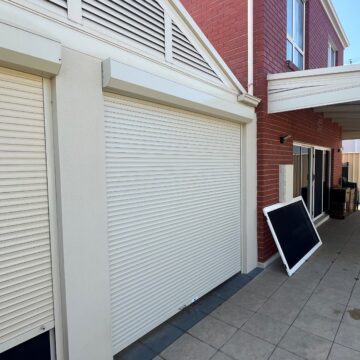
Outdoor roller shutters consist of interlocking horizontal slats that roll neatly into a weather-resistant cassette mounted above your window or opening. Designed to shrug off wind, rain and intense sun, these shutters create a tough barrier that not only secures your property but also enhances its thermal performance. When closed, they form a flush, uninterrupted surface; when retracted, they disappear into the headbox, restoring your view and natural light.
Whether your home is a heritage cottage or a modern build, roller shutters can be powder-coated to match gutters, window frames or brickwork, ensuring a cohesive street appearance. Their clean lines and discreet profile make them a versatile choice for Adelaide’s diverse architectural styles.
Security, Insulation and Acoustic Benefits
These roller shutters act as a strong deterrent against break-ins by presenting a solid, rigid obstacle to unauthorised access. When closed, the slatted design traps a layer of air between the shutter and your window, cutting heat loss in winter and, conversely, blocking up to 90% of solar heat gain during summer—aligned with the Australian Government’s guidance on passive shading. Beyond temperature control, these shutters also reduce outside noise, making them ideal for homes near busy roads or noisy neighbours.
Aluminium vs PVC Slats
Choosing the right slat material affects both performance and budget:
- Aluminium Slats: Known for their strength and corrosion resistance, aluminium slats retain rigidity in Adelaide’s harsh sun and coastal air. They’re available in various profiles, from full-blockout to ventilated designs, and command a higher upfront cost in exchange for long-term durability and minimal maintenance.
- PVC Slats: A more economical option, UV-stabilised PVC slats provide decent weather resistance and insulation. While they can yellow or warp over many years in extreme heat, they’re well suited to smaller openings, garages or sheds where budgets are tighter.
Manual Crank and Electric Motorisation
Outdoor roller shutters can be operated either manually or electrically:
- Manual Crank: A straightforward gearbox and handle system let you raise or lower shutters by hand. This no-power-needed solution is reliable and cost-effective, perfect for remote structures or where simplicity is key.
- Electric Motorisation: Mains-powered or battery-backed motors deliver one-touch convenience. Control your shutters via wall switches, handheld remotes or smartphone apps, and integrate with home automation to schedule opening at sunrise and closing at dusk. Premium systems include obstruction detection and manual override for added safety.
Passive Shading and Energy Savings
Incorporating roller shutters into your home’s passive design strategy can yield significant energy savings. By lowering shutters during the hottest hours, you reduce solar heat gain and lighten the load on air conditioners. In cooler months, the trapped air pocket improves insulation, helping retain warmth. Over a year, this simple shading solution often translates into lower energy bills and a more comfortable interior climate, no matter how extreme Adelaide’s weather becomes.
12. Bushfire-Resistant Outdoor Blinds and Awnings
Climate extremes and bushfire seasons around Adelaide make it essential to choose outdoor blinds and awnings that can withstand radiant heat, ember attack and burning debris. Selecting BAL-rated products not only protects your home but also ensures compliance with construction standards under AS 3959 for bushfire-prone areas. Below, we break down what you need to know about attack levels, suitable materials, certification and installation practices.
Understanding Bushfire Attack Levels (BAL)
Bushfire Attack Level, or BAL, is a measure of risk defined in AS 3959. It ranges from BAL-LOW (minimal risk) up to BAL-FZ (direct flame contact). Each level reflects the intensity of heat and ember exposure your property might face:
- BAL-LOW: No special bushfire provisions needed.
- BAL-12.5 to BAL-19: Ember attack and radiant heat up to 12.5–19 kW/m².
- BAL-29 to BAL-40: Elevated exposure to radiant heat (29–40 kW/m²) plus ember attack.
- BAL-FZ (Flame Zone): Direct flame contact and burning debris likely.
Knowing your BAL rating helps determine which outdoor shading products meet the required ember- and heat-resistance.
Compliant Product Types and Materials
Not all blinds and awnings are created equal when it comes to bushfire protection. Look for products tested and certified for ember and radiant heat shielding:
- Aluminium roller shutters: Rigid, non-combustible slats with tight seals.
- Fire-retardant mesh screens: High-tensile fabrics treated to resist embers.
- PVC-backed canvas: UPF-rated, flame-retardant canvases ideal for verandah and café screens.
- Fixed-frame aluminium awnings: Non-combustible supports paired with fire-resistant canopies.
Always request the manufacturer’s bushfire rating certificate to verify product compliance.
Professional Assessment and Certification
Before ordering, engage a qualified bushfire consultant to confirm your property’s BAL and specify suitable shading solutions. These experts will:
- Carry out a site inspection to assess vegetation, slope and ember pathways.
- Issue a BAL certificate detailing construction requirements.
- Recommend fabrics and installation methods that align with your bushfire rating.
Professional certification ensures you meet local council regulations and the National Construction Code.
Installation Best Practices and Ember Seals
Correct installation is vital to prevent ember entry and heat damage:
- Fit ember guards or fine-mesh seals around fixings and brackets.
- Use non-combustible screws and anchors for all frame attachments.
- Maintain clearance distances as specified in AS 3959 to avoid radiant-heat concentration.
- Install fire-rated brush seals along the bottom edge of blinds and awnings to block ember ingress.
For detailed guidance on ember management and separation distances, refer to bushfire protection.
Find Your Perfect Outdoor Blinds Today
Selecting the ideal outdoor blind comes down to balancing style, functionality and compliance for your Adelaide home. Whether your priority is cutting out harsh UV rays, keeping out gusty winds, boosting privacy, enhancing kerb appeal or meeting bushfire regulations, there’s an option tailored to your needs. From the sleek minimalism of Ziptrak and wire guide systems, to the solid protection of roller shutters and canvas awnings, each of the twelve solutions we’ve outlined offers distinct benefits—and a few trade-offs—to consider.
Take a moment to revisit the options above and match them against your must-haves:
- Sun control and energy savings
- Weather and insect protection
- Aesthetic harmony with your façade
- Bushfire Attack Level (BAL) compliance
- Budget and long-term maintenance
When you’re ready to turn ideas into reality, trust the local experts at Classic Roller Shutters Adelaide. As a family-run, factory-direct business with more than 40 years of experience, they offer free in-home consultations, bespoke design and reliable installation—all backed by Australian-made materials and solid warranties.
Discover the full range and arrange your obligation-free measure and quote today by visiting Classic Roller Shutters Adelaide. Let their team guide you to the perfect outdoor blind solution for your lifestyle and budget.