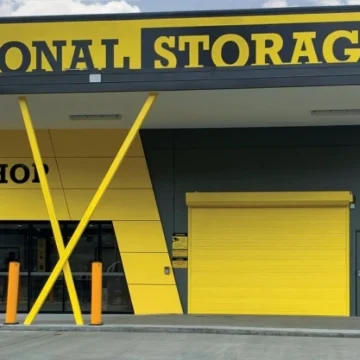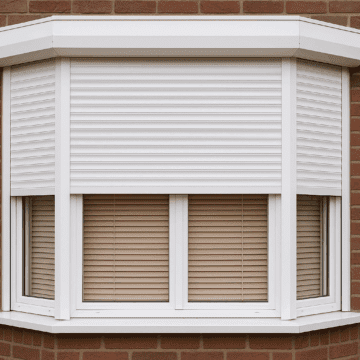
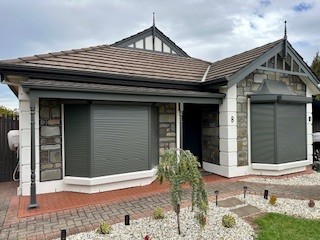
Outdoor roller shutters are external, aluminium slats that roll up into a compact headbox above your window or door. Operated by a winder, strap, battery, solar, or hard‑wired motor, they create a strong barrier that boosts security and privacy while cutting heat, glare and noise. In the Australian climate, quality shutters also help with storm protection and can be specified for bushfire zones, all while improving year‑round energy efficiency.
This guide gives you a clear, Australia‑focused overview of prices, the options worth choosing, and how to get accurate quotes. You’ll learn what drives costs (size, slat profile, controls, colours and site access), the differences between manual and electric, materials and customisation, planning for new builds vs retrofits, smart control choices, DIY kits vs professional install, and how to measure, compare quotes and timelines. We’ll also cover maintenance, warranties and compliance for local conditions.
Benefits that matter: security, privacy, insulation and noise control
If you’re weighing up blinds, awnings or screens, here’s why many Australians choose outdoor roller shutters: they deliver protection and comfort day and night. The interlocking aluminium curtain forms a robust barrier that deters forced entry, blocks prying lines‑of‑sight, and cuts heat gain, glare and UV. Close them and you’ll also dampen road noise and wind, creating a darker, quieter, safer home—ideal for street‑front rooms, nurseries and shift workers.
- Security: Deters opportunistic break‑ins; harder to force windows and sliders.
- Privacy & light control: Blackout on demand; stop overlooking and headlight glare.
- Insulation & energy: Helps reduce summer heat gain and winter heat loss to trim bills.
- Noise & weather: Softens traffic and neighbour noise; shields glass during storms.
Types of outdoor roller shutters in Australia
Choosing the right type of outdoor roller shutters comes down to how you want to operate them, the size of each opening, and any local compliance needs. From simple manual controls to fully motorised and smart setups, there’s a solution for bedrooms, street‑front windows, sliders and shopfronts.
- Manual strap/winder: Budget option, no wiring, best for small–medium windows.
- Manual crank (gearbox): Smoother operation for larger spans, internal winder handle.
- Electric hard‑wired: Push‑button or remote control; ideal for daily use and multiple shutters.
- Battery/solar motorised: No mains wiring; great for retrofits and upper storeys.
- Security/heavy‑duty: Thicker slats and stronger guides for added resistance.
- Bushfire‑specified: Configurable to suit bushfire‑prone areas when required by regulations.
- Vision/perforated slats: Light and airflow for shopfronts/patios while maintaining protection.
Materials and slat profiles explained
The “curtain” of an outdoor roller shutter is made from interlocking aluminium slats that roll into a headbox. Aluminium is preferred in Australia because it’s strong for its weight, resists corrosion, and finishes beautifully in durable powder‑coat—often in Colorbond‑like colours to match your façade. The slat profile you choose changes how the shutter performs: insulation and noise damping, security and span capability, airflow and visibility, and even how compact the headbox can be.
- Foam‑filled aluminium: Lightweight, roll‑formed slats with insulating foam for better thermal and acoustic comfort—ideal for homes and everyday use.
- Extruded aluminium: Thicker‑wall, rigid slats for higher security, larger openings and tougher conditions, commonly used on doors and ground‑floor windows.
- Vision/perforated slats: Slots or micro‑perfs let light and air through while the shutter is down—popular for shopfronts and patios.
- Guides, bottom rail and headbox: Aluminium side guides keep the curtain tracking; the bottom rail adds weight and stability; headbox size depends on slat profile and window height—compact options help keep installs neat.
Design and customisation options
Outdoor roller shutters should look like they belong on your home, not bolted on as an afterthought. Beyond choosing the slat profile, you can tailor colour, fit and controls so everything ties in with your façade and the way you live. A good supplier will guide you on proportion, box placement and finishes to keep the install neat and balanced.
- Colours that match: Powder‑coated in popular, Colorbond‑like colours for the curtain, headbox, guides and bottom rail.
- Fit style: Face‑fit or reveal‑fit to suit brick, rendered or clad openings with tidy trims.
- Headbox sizing: Compact pelmets sized to the opening height and slat type for a cleaner look.
- Mix slats where needed: Combine solid and vision/perforated sections for doors or shopfronts.
- Controls your way: Position manual winders thoughtfully, or plan motor controls and grouping for daily convenience.
What drives the price of outdoor roller shutters
Prices for outdoor roller shutters are shaped by a handful of practical choices: the size and number of openings, the slat profile and guides you select, how you operate them, and what your site needs to get the job done neatly and safely. Finishes, local compliance (like bushfire specs), and whether you’re wiring in a new build or retrofitting all influence the bottom line. To compare quotes fairly, make sure each one matches like‑for‑like on these variables.
- Size and quantity: Wider, taller, or more shutters increase material and labour.
- Slat/profile strength: Foam‑filled for comfort; extruded for security and larger spans.
- Operation type: Manual costs less upfront; electric adds convenience and daily ease.
- Power and controls: Hard‑wired, battery/solar, remotes, wall switches, grouping and timers.
- Finishes and colours: Standard colours cost less than custom powder‑coat or matching trims.
- Fit and fabrication: Reveal vs face‑fit, headbox size, heavier guides and bottom rails.
- Access and install complexity: Upper storeys, tight access, scaffolding or removals add time.
- Compliance and environment: Bushfire configuration, coastal upgrades and weather sealing.
- Motor and component quality: Brand, warranty length and serviceability affect pricing.
- Travel and scheduling: Regional travel or urgent installs can add to costs.
Outdoor roller shutter price guide in Australia
Need a ballpark before you book a measure-and-quote? Here’s what Australians typically pay for outdoor roller shutters, noting that size, slat profile and controls swing the price. Figures below are per opening; for a pair of windows, you’ll roughly double the number.
| Type | Typical price per shutter (AUD) |
|---|---|
| Manual (strap/winder) | $300–$725 |
| Electric motorised (hard‑wired/battery/solar) | From $500+ |
| Common retail ranges across Australia | $650–$1,800 |
Where you’ll land in the range depends on width × height, foam‑filled vs extruded slats, manual vs electric, installation access, and any bushfire or coastal upgrades. Standard bedroom windows in Adelaide retrofits often sit in the lower–middle of these ranges; large sliders, doors and high‑security profiles trend higher, and shopfront/commercial shutters are usually above residential pricing. Always compare itemised quotes that state GST, delivery, electrical work (if any), removal/disposal, and warranty terms. Multi‑shutter projects may attract sharper per‑shutter pricing, but like‑for‑like specifications are essential for a fair comparison.
New builds vs retrofits: planning and wiring
Planning outdoor roller shutters early pays off. For new builds, ask your builder to allow for neat headbox placement (including recesses if desired), choose face‑fit or reveal‑fit, and pre‑plan power and switch locations. Supplying floor plans lets your supplier advise on wiring paths, group control and wall switch positions, and quote accurately before framing. In retrofits, we work with the home you’ve got: surface‑mounted headboxes and tidy conduits are common, and battery or solar motors avoid chasing walls—ideal upstairs or where access is tricky. Always use a licensed electrician for any mains‑powered work.
- New builds: Pre‑plan power, switches and grouping.
- Retrofits: Consider battery/solar to simplify installs.
- Headboxes: Decide on recess vs surface‑mount early.
- Access: Factor ladders/scaffolds for upper storeys.
- Controls: Keep switch heights consistent room‑to‑room.
Smart controls and home automation
Motorised outdoor roller shutters shine when paired with smart controls. Whether your motors are hard‑wired or battery/solar, you can use wall switches, handheld remotes, and a hub for app control and automation. Smart control lets you group shutters by room or whole‑home, set schedules for heat, glare and privacy, and operate multiple openings with one tap—handy for upstairs windows and daily routines.
- Group and scenes: Create room, façade or whole‑home groups for one‑touch control.
- Layered controls: Combine fixed wall switches with remotes for flexible daily use.
- Schedules: Automate open/close times for workdays, weekends and holidays.
- Plan ahead: Allow for hub location, power and reliable signal paths; use a licensed electrician for any mains wiring.
DIY kits vs professional installation
DIY roller shutter kits can cut labour costs and suit confident renovators. For small–medium, ground‑floor windows, manual or battery/solar motors avoid wiring, and careful measuring, fixing and sealing can deliver a tidy result. The trade‑off is accountability: you handle squareness, substrate fixings, weatherproofing and safe access. Professional installers bring precise measure‑ups, the right fasteners for brick/steel/timber, neat cable paths, and coordination with a licensed electrician for hard‑wired motors—plus a consistent finish and simpler aftercare.
- DIY suits: Single openings, easy access, standard brick/render.
- Choose pro for: Large spans/doors, upper storeys, grouped automation, bushfire/coastal needs, shopfronts.
- Before you start: Confirm warranty/aftercare terms; any mains wiring must be done by a licensed electrician.
How to measure and get an accurate quote
Accurate measurements are the fastest way to get firm, like‑for‑like quotes for outdoor roller shutters. Decide first if you want reveal‑fit or face‑fit, then measure carefully and note anything that could affect installation. For new builds, floor plans or a window schedule are great; retrofits benefit from a few clear photos.
- Opening size: Measure width and height at three points; use the smallest.
- Fit and clearance: Confirm reveal depth or face area; note space above for the headbox.
- Substrate and sill: Brick/render/cladding; sill angle/profile.
- Access: Ground/upper storey, balcony, tight paths or obstructions.
- Operation and conditions: Manual or motorised, power/switch location or battery/solar, grouping; bushfire/coastal, colours, removal of existing.
Include quantity, site address and preferred slat profile (foam‑filled or extruded), plus your timeframe. A professional site check confirms sizes, fixings and wiring paths, and locks in price and lead time.
What to ask suppliers and how to compare quotes
Great outdoor roller shutter quotes are clear, itemised and easy to compare. Before you sign, ask each supplier the same questions so you’re weighing like‑for‑like on specs, inclusions and timelines—not just the headline price. This keeps surprises out of the install and helps you choose value over guesswork.
- Inclusions: Measure, manufacture, delivery, installation, licensed electrical work, removal/disposal, cleanup, and GST.
- Specifications: Slat profile (foam‑filled vs extruded), guide size, bottom rail, headbox size, fit type (face/reveal), and colour finish.
- Operation & controls: Manual type or motor (hard‑wired, battery/solar), switches/remotes, grouping and smart control compatibility.
- Site factors: Access equipment for upper storeys, sealing/flashings, and any making‑good of surfaces.
- Compliance & environment: Bushfire configuration and coastal upgrades if applicable.
- Lead time & scheduling: Manufacturing timeframe, installation date certainty, and reschedule policy.
- Warranty & aftercare: Product, motor and workmanship terms, service response, and spare‑parts availability.
- Credentials: Builders Licenses, insurance and recent local references.
When quotes arrive, compare the same sizes, profiles, controls and inclusions, and confirm totals are “installed, incl. GST” with lead times in writing.
Local factors: bushfire, cyclone and coastal conditions
Where you live in Australia shapes how your outdoor roller shutters should be specified. In bushfire‑prone areas, your supplier can configure shutters to suit local requirements; in high‑wind or cyclone regions, heavier‑duty components resist wind pressure and racking; and along the coast, corrosion resistance and aftercare matter. Tell your installer your address and any known planning overlays so they can recommend suitable slat profiles, guides, fixings and finishes—and note any compliance items on the quote.
- Bushfire configuration: Specify appropriate profiles and components for bushfire‑prone sites when required by regulations.
- High‑wind/cyclone: Choose stronger slats and heavier guides to improve resistance on wide openings.
- Coastal upgrades: Opt for corrosion‑resistant finishes and fixings; schedule periodic cleaning to remove salt.
- Sealing and fit: Ensure tidy flashings and weather seals for storm protection.
- Maintenance plan: Confirm care instructions and service intervals suited to your environment.
Timeline, lead times and installation day
From first measure-and-quote to finished outdoor roller shutters, the steps are simple. After your in‑home measure you’ll receive an itemised quote with the current manufacturing lead time. Approve and pay the deposit, your shutters go into fabrication and an installation window is reserved. Lead times can shift with seasonality, colour availability and motor supply, so have dates and inclusions confirmed in writing when you accept.
- Typical sequence: Measure/quote → site check → manufacture → install (+ electrical if required).
- Scheduling: Multi‑shutter homes are often done in one visit; complex/upper storeys may need more. A licensed electrician finalises any mains wiring.
- Access: Clear sills, move nearby furniture, allow parking and power.
- On the day: Expect drilling/noise; installers fix, seal, tidy and remove waste.
- Commissioning: Set motor limits, pair remotes/groups, demonstrate use and care.
Care, servicing and repairs over time
Outdoor roller shutters are low‑maintenance, but a simple routine keeps them smooth, quiet and weather‑tight. In coastal, dusty or bushfire‑prone areas, clean more often to prevent grit and salt. Fix small issues early—repairs are quicker and cheaper. Our Adelaide repair division services all brands, replaces motors, straps and switches, repairs slats/guides, and upgrades manual or battery units to hard‑wired electric.
- Wash: Mild soapy water; rinse curtain, bottom rail and guides.
- Clear: Remove debris from side guides and sill; check drainage paths.
- Inspect: Look for frayed straps, scraping, uneven roll or noisy motors.
- Call a tech: For jams, storm impact, misalignment or motor faults; keep service records for warranty.
Warranty and finance options
A clear warranty protects your investment in outdoor roller shutters. Expect coverage in three parts: the product (slats, guides, headbox and finish), motors/controls, and installation workmanship. Ask for full terms in writing, including inclusions/exclusions, maintenance requirements (especially for coastal sites), transferability if you sell, and service response times. Note that motors/electronics typically have different conditions to aluminium components, and misuse or unlicensed electrical work can void coverage.
- Coverage scope: Slats/finish vs motors, remotes, hubs and batteries (often shorter).
- Labour and call‑outs: Are diagnosis, travel and onsite labour included?
- Proof and servicing: Registration, proof of purchase and maintenance schedule.
- Environment clauses: Coastal/bushfire cleaning obligations and records.
- Finance clarity: Ask about instalments or interest‑free, fees, minimum spend, early payout, and confirm the total project cost—not just the weekly figure.
Outdoor roller shutters vs outdoor blinds, awnings and security screens
Outdoor roller shutters, outdoor blinds, awnings and security screens solve different problems. Pick based on your main goal—security, blackout privacy, heat control, airflow or a mix. Many homes use them together: shutters on bedrooms and street‑fronts; blinds/awnings on patios; screens on doors and breezeways.
- Security: Shutters create a strong physical barrier; screens deter but remain see‑through; blinds/awnings aren’t security products.
- Privacy & light: Shutters deliver near‑blackout and full privacy on demand; screens give daytime privacy only; blinds/awnings reduce glare but won’t darken a room.
- Heat & insulation: Shutters cut heat gain/loss and help with noise; awnings stop sun before it hits glass (great on east/west); blinds balance shade with airflow.
- Weather & wind: Shutters shield glass in rough weather; awnings/blinds usually need retracting in high winds; screens are fixed and permeable.
- Airflow & view: Screens and blinds preserve breeze and outlook; shutters trade airflow for protection when down.
- Convenience: Shutters and many blinds/awnings can be motorised and automated; screens are manual (hinged/sliding).
- Aesthetics & upkeep: Blinds/awnings keep façades open and soft; shutters are more visible but colour‑match well. Fabrics need periodic replacement; shutters/screens are harder‑wearing.
For businesses: shopfront and commercial shutters
For retailers, cafés, clinics and warehouses, outdoor roller shutters secure glazing and stock after hours while presenting a tidy façade. Commercial installs typically use extruded aluminium slats for strength, heavier side guides and motorised operation for quick open/close at start and close of trade. Vision/perforated slats keep window displays visible and allow airflow while still deterring opportunistic entry. Specify early to suit tenancy fit‑outs, signage and landlord requirements.
- Stronger builds: Extruded slats, deep guides and reinforced bottom rails for wider spans.
- Vision options: Perforated/slot slats for display visibility and ventilation.
- Fast operation: Motorised with wall key switch, remotes and group control.
- Access and safety: Staff‑friendly controls; coordinate with centre management if required.
- Aftercare: Priority servicing, motor replacements and preventative maintenance programs.
Key takeaways
Outdoor roller shutters add security, privacy and comfort. Price depends on size, slat profile and controls. Plan wiring in new builds; choose battery/solar for easy retrofits. Measure carefully, compare like‑for‑like, and confirm lead times in writing.
- Security & comfort: Strong barrier, blackout, insulation, quieter rooms.
- Price reality: Manual $300–$725; electric from $500+; large/heavy‑duty cost more.
- Right profile: Foam‑filled for most homes; extruded for doors/security.
- Smarts & quotes: Group controls; insist on itemised quotes incl. GST, install, electrical.
Get a firm, local quote in Adelaide—book a free measure with Classic Roller Shutters.