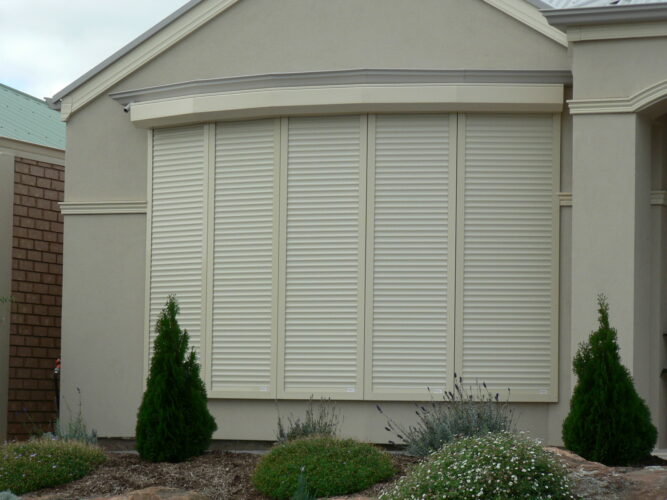
Residential roller shutter insulation is simply how well an external shutter helps your home resist unwanted heat gain in summer and heat loss in winter. By covering the glass and sealing the window reveal, a well-built shutter adds a protective layer that slows heat transfer, reduces glare and drafts, and makes rooms more comfortable with less reliance on heating and cooling.
In this guide, we unpack what really matters for performance and savings. You’ll learn how shutters limit conduction, radiation and air movement; what R-values, U-values and SHGC mean for Adelaide homes; typical figures for insulated vs non‑insulated products; and the roles of materials, installation and day‑to‑day operation. We’ll also walk through energy‑bill examples, automation tips, where shutters make the biggest difference, and how they compare with double glazing, curtains and external blinds.
How roller shutters insulate: conduction, radiation and air movement
Residential roller shutter insulation works by tackling the three main heat pathways at your windows. When closed, the curtain covers the glass and frame, forming an exterior barrier and a still‑air cavity in the reveal. Foam‑filled aluminium slats add resistance to heat flow, while the solid screen stops the sun striking the glass and calms wind‑driven drafts.
- Conduction: Polyurethane‑filled aluminium slats slow heat transfer compared with single‑wall, non‑insulated slats.
- Radiation: External shading blocks solar gain at the source; some products can block up to 90% of heat entering through panes.
- Air movement: Tight side guides and full coverage reduce leaks; the air gap buffers wind and hot/cold air.
R-values, U-values and SHGC: what matters for shutters
Three metrics explain residential roller shutter insulation. R-value is thermal resistance (higher is better); U-value is heat transfer (lower is better), with R = 1/U. SHGC (solar heat gain coefficient) is the fraction of sun the window system admits; the lower it is, the less summer heat you get. For shutters, closed‑position R/U tell you how much winter heat they retain and how much summer night cooling they hold, while daytime SHGC performance comes from blocking sun before it hits the glass—some products report blocking up to 90% of heat through panes when correctly installed.
- Compare like for like: whole-window figures, not slat only.
- Prioritise summer shading: low effective SHGC from external blocking.
- Aim for tighter seals: better R/U in the real world.
Typical R-values for insulated vs non-insulated shutters (and what to expect on real homes)
Most makers don’t publish independent whole‑window R-values for shutters, so treat claims carefully. As a rule, insulated (polyurethane‑foam filled) aluminium slats deliver a clear bump in thermal resistance compared with single‑wall, non‑insulated slats, which add little more than a metal skin. Remember: the widely quoted “blocks up to 90% of heat” refers to solar gain reduction when the shutter shades the glass, not an R-value. In real Adelaide homes, expect the biggest perceived lift from insulated shutters at night and in winter (warmer rooms, fewer drafts), plus strong summer benefits when closed over sun‑exposed single glazing thanks to the exterior barrier and the still‑air cavity they create.
Summer and winter performance in Adelaide’s climate
Adelaide’s hot, sunny summers and cool winters make external shading and airtightness count. Closed insulated roller shutters act as a first line of defence by blocking radiant heat before it hits the glass—some products can block up to 90% of heat through window panes—keeping interiors noticeably cooler. In winter, the foam‑filled curtain and still‑air cavity reduce drafts and heat loss, helping rooms stay warmer with less heating, especially on single‑glazed windows and wind‑exposed façades.
Materials and build features that improve insulation
Insulation performance starts with what the shutter is made from and how tightly it closes. For the best residential roller shutter insulation, look for aluminium slats injected with polyurethane foam, a curtain that closes snugly, and components that limit air leakage. Quality finishes (such as baked enamel) help the shutter operate smoothly for years, preserving a consistent seal and performance.
- Foam‑filled aluminium slats: Polyurethane cores add meaningful thermal resistance.
- Tight interlocking curtain: Minimises light pinholes and air gaps.
- Deep side guides and bottom bar seals: Cut drafts and calm wind pressure.
- Exterior, full‑frame coverage: Blocks sun before glass and creates a still‑air cavity.
Installation quality and operation: the big drivers of real-world results
Even the best foam‑filled slats won’t perform if the shutter leaks air or light. Real‑world results come from precise measuring, straight side guides, and a snug‑closing curtain that fully covers the frame to create a still‑air cavity. Good installs keep the curtain running smoothly, preserving the seal in wind. Operation matters too: close sun‑exposed shutters before the glass heats, then open for light or ventilation. For residential roller shutter insulation to pay off, remember the “up to 90% heat blocking” only applies when they’re closed in time and fitted well.
- Accurate sizing and alignment minimise light lines and leaks.
- Motorised or smart control improves consistency when you’re away.
Energy savings and payback: simple examples for Adelaide homes
Energy savings from residential roller shutter insulation come from blocking solar gain in summer and reducing drafts and night-time heat loss in winter, so your HVAC runs less. Providers report shutters can block up to 90% of heat through window panes and, in WA-like climates, claim up to 30% bill savings; actual results in Adelaide vary with window size, orientation, glazing and how consistently you close them before heat hits the glass.
- Summer example: If a west-facing split system uses X kWh/day, and shutters trim runtime by Y, avoided energy ≈
X × Y. Bill saving =X × Y × tariff. - Winter example: If bedrooms use N kWh/night for heating, saving ≈
N × ywhen shutters stay down from dusk to dawn. - Payback: With installed cost
Cand annual savingS,Payback (years) = C ÷ S. Larger, sun-exposed single glazing pays back fastest.
Automation and smart control to maximise benefits
Automation makes residential roller shutter insulation work day in, day out. Electrically operated shutters you can control by switch, remote or smart device close before the sun hits the glass and open when you want light or ventilation—even when you’re away.
- Program by orientation: east in the morning, west mid‑afternoon.
- Create scenes: bedrooms at dusk; living areas ahead of peak sun.
- Use timers during heatwaves and cold snaps for consistency.
- Build habits: lower before turning the heater on; raise to purge heat when evenings cool.
Where shutters make the biggest difference: rooms, window sizes and orientations
You’ll feel the biggest gains from residential roller shutter insulation on large, single‑glazed windows that cop the sun or the wind. Prioritise problem rooms first—then fine‑tune the rest.
- West and north‑west: Harsh afternoon sun; close early to block up to 90% of heat through panes.
- East (bedrooms/nurseries): Cuts early glare and morning heat for cooler starts.
- North: In winter, leave open by day for free sun; close at dusk to hold warmth.
- South and wind‑exposed: Minimal sun, but strong winter benefits from draft and heat‑loss reduction.
- Large glass areas (living spaces): Biggest comfort lift and quickest payback.
- Street‑facing rooms: Added privacy and noticeable noise reduction.
How roller shutters compare with double glazing, curtains and external blinds
Choosing between shutters, double glazing, curtains and external blinds comes down to where the heat is stopped. External solutions win in summer by blocking sun before it hits the glass; interior treatments mainly tidy up drafts. Residential roller shutter insulation uniquely combines external shading with a tight seal and a still‑air cavity.
- Roller shutters: External, sealing barrier; can block up to 90% of heat through panes when closed; foam‑filled slats and guides cut drafts and noise.
- Double glazing: Strong winter heat‑loss reduction; doesn’t stop daytime sun like shutters—pairing delivers the best summer and winter performance.
- Curtains: Interior solution; helpful at night (pelmets help), but limited summer solar control as heat enters before the fabric slows it.
- External blinds: Also external shading with good daylight and airflow; generally less sealed than shutters for draft control and overnight heat retention.
Retrofit and new builds: sizing, power options and integration
Roller shutters suit both retrofits and new builds. On existing homes, accurate measure ensures full‑frame coverage and a tight still‑air cavity; battery motors can avoid wall chasing. On new builds, size from floor plans, run power to window heads, and pre‑plan groups by orientation. Choose operation options to fit the space: manual strap/winder, hardwired electric with wall switch, remote control, or smart device integration for reliable timers and scenes.
Maintenance and durability that protect insulation performance
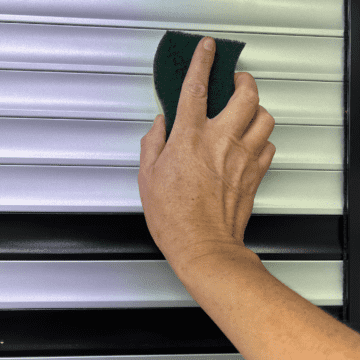
Your shutter’s insulation only works as well as its seal and smooth operation. Keep slats and side guides clean to prevent grit forcing gaps; wipe down regularly and use a light silicone spray on guides (not oil). After heatwaves or storms, check alignment, fasteners, and the bottom‑bar/side seals and replace if worn. Quality baked‑enamel finishes resist cracking and fading, but touch up chips to prevent corrosion. Book annual servicing to clean, lubricate and verify motor/strap tension—preserving the tight seal, still‑air cavity and year‑on‑year performance.
Common questions about roller shutter insulation
Before you buy, a few questions always come up. Here are concise, evidence‑based answers on residential roller shutter insulation in Adelaide—what they do, how they’re built, and how to run them for real savings.
- Year‑round benefit? Blocks up to 90% summer heat; reduces winter loss.
- Insulated vs non‑insulated? Foam‑filled aluminium performs markedly better.
- Add insulation later? No—the foam is factory‑injected into slats.
- Maintenance and control? Keep guides clean; automation boosts consistency and savings.
What to look for when buying in Adelaide
Adelaide’s mix of scorching summers and chilly nights means your shortlist should focus on real residential roller shutter insulation and airtightness, plus reliable operation. Prioritise products that block sun before it hits the glass and seal tightly over the frame, and choose an installer who measures precisely and can service what they sell locally.
- Insulated slats: Aluminium with polyurethane foam cores.
- Tight sealing: Deep side guides and quality bottom-bar seals.
- Full coverage: Exterior fit that creates a still-air cavity.
- Durable finish: Baked enamel for long-term smooth running.
- Clear performance data: Whole-window R/U and solar reduction.
- Right operation: Manual, electric or smart control for timing.
- Local support: Strong warranty, parts and Adelaide servicing.
Key takeaways
Roller shutters pay their way when they block sun before it hits the glass and tighten leaky window reveals. Foam‑filled aluminium slats, full‑frame coverage and good habits deliver the comfort lift and lower bills Adelaide homes want. Installation quality and automation decide how much you actually save.
- Insulated slats: Reduce heat loss and gain.
- Tight seals: Cut drafts; stabilise rooms.
- Smart timing: Close before sun; open for light.
Ready to plan your windows? Book a free consult with Classic Roller Shutters Adelaide.