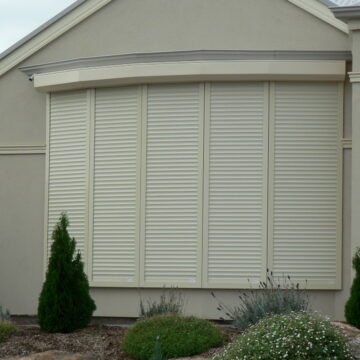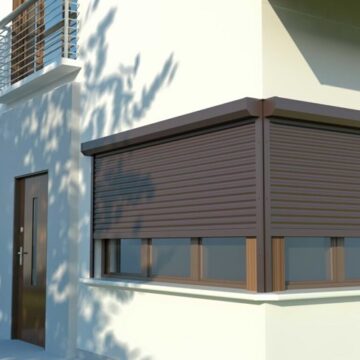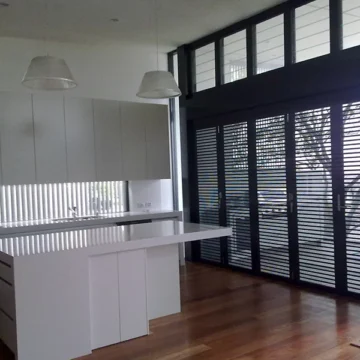
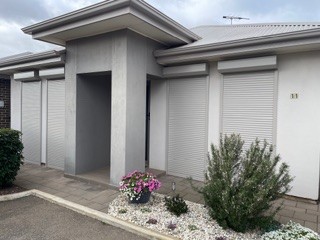
Break-ins. Storm damage. Heat waves. If you’re a homeowner or business owner in Adelaide, these concerns probably cross your mind more often than you’d like. Security shutters for windows and doors offer a practical solution that addresses all three, providing protection against intruders, shielding your property from harsh weather, and even helping regulate indoor temperatures.
But with so many options on the market, how do you know which type suits your needs? And what should you realistically expect to pay? These are the questions we hear daily at Classic Roller Shutters Adelaide. With over 40 years of local manufacturing experience, we’ve helped thousands of South Australian homes and businesses find the right balance between security, functionality, and budget.
This guide breaks down your options, explains what influences pricing, and helps you make an informed decision, whether you’re protecting a family home or a commercial premises.
What security shutters are and how they work
Security shutters are protective barriers that roll up and down over windows and doors, creating a solid shield when closed. You mount them to the outside of your openings, and they’re typically made from aluminium slats that interlock when lowered. Unlike decorative blinds or curtains, these shutters serve as a physical deterrent that makes forced entry significantly harder and slower for potential intruders.
The basic construction
Most security shutters for windows and doors use aluminium slats (also called profiles or blades) that measure between 15 mm and 20 mm thick. These slats connect to form a continuous curtain that winds around a barrel housed in a headbox above the opening. The curtain guides run down both sides of your window or door, keeping the shutter stable and locked in place when fully lowered. Better-quality shutters incorporate locking systems at the bottom rail that engage with the guides, preventing someone from simply lifting the shutter from outside.
“Quality security shutters create multiple lock points when closed, not just a single latch that can be compromised.”
How the mechanism operates
You can operate security shutters manually with a strap or crank, or choose an electric motor for push-button convenience. Manual systems work through a spring-assisted mechanism that makes lowering easier, though you still need to pull the shutter down yourself. Electric shutters connect to your home’s power supply and respond to wall switches, remote controls, or smartphone apps. When you activate the shutter, the barrel rotates, winding or unwinding the curtain as needed. The entire process takes 15 to 30 seconds depending on the size of the opening and motor speed.
Why security shutters matter for homes and businesses
Your property faces threats from multiple angles. Break-ins occur every few minutes across Australian cities, with ground-floor windows and glass doors being the most common entry points. Beyond security concerns, extreme weather events have become more frequent, and Adelaide’s summer temperatures regularly push air conditioning systems to their limits. Security shutters address all these issues simultaneously, making them one of the most versatile investments you can make for your property.
Protection against break-ins
Visible security measures deter most opportunistic thieves before they even attempt entry. When criminals see security shutters for windows and doors, they typically move on to easier targets. Statistics from the Australian Institute of Criminology show that burglars prefer properties where they can access entry points quickly and quietly. Aluminium shutters create noise when tampered with and add minutes to any forced entry attempt, which is often enough to discourage the attempt entirely.
“Properties with visible security measures experience significantly fewer break-in attempts than those without.”
Weather protection and energy efficiency
Storm damage from hail, flying debris, and high winds can cost thousands in repairs and replacement glass. Shutters shield your windows during severe weather events, preventing breakage and water intrusion. They also create an insulating barrier that reflects summer heat and retains warmth during winter, potentially reducing your energy bills by 30 to 40 percent depending on your property’s orientation and insulation.
Security shutter costs in Australia and what affects price
Expect to pay between $450 and $1,800 per window for security shutters in Adelaide, with doors costing $1,200 to $3,500 depending on size and specifications. These prices include supply and professional installation. The wide range reflects differences in opening sizes, shutter quality, operation method, and additional features you select.
Size and configuration matter most
Your opening dimensions directly determine material costs. A standard 900 mm x 1,200 mm window requires far less aluminium than a 2,400 mm sliding door. Width affects price more significantly than height because wider shutters need reinforced slats and stronger motors for electric operation. Properties with multiple openings often qualify for package pricing that reduces per-unit costs by 10 to 20 percent.
“Wider openings demand heavier-duty components, which explains why doors cost substantially more than windows.”
Manual versus motorised operation
Manual security shutters for windows and doors represent the most budget-friendly option, typically costing $200 to $400 less per unit than motorised versions. Electric shutters offer convenience but require additional components including the motor, control wiring, and switches. Quality motors from established brands add $300 to $600 to your total, though they provide years of reliable service with minimal maintenance.
How to choose the right shutter for each opening
Your decision depends on three primary factors: the opening’s exposure level, your budget, and how frequently you’ll operate the shutters. Street-facing windows and ground-floor doors need maximum security, while upper-level or backyard windows might require less robust protection. Consider both current needs and future plans, particularly if you’re installing shutters across multiple openings.
Match security level to vulnerability
Ground-floor security shutters for windows and doors warrant the strongest specifications available within your budget. These openings face the highest break-in risk, so invest in reinforced slats (18 mm to 20 mm thick) with integrated locking systems. Upper-level windows can use lighter profiles since they’re naturally harder to access. Sliding doors and French doors benefit most from electric operation because their size makes manual operation cumbersome for daily use.
“Allocate your budget where risk is highest, then work down to less vulnerable openings.”
Consider operation frequency and accessibility
Windows you rarely open suit manual shutters that save costs without sacrificing security. Openings you adjust daily, such as bedroom windows or doors leading to outdoor areas, justify the motorised upgrade for convenience. Hard-to-reach windows above extensions or verandahs practically demand electric operation unless you want to climb a ladder every time you need access.
Installation, operation, and ongoing maintenance
Professional installation typically takes two to four hours per opening depending on complexity and wall construction. Your installer measures precisely, mounts the headbox and guides, fits the shutter curtain, and tests all operations before completion. Brick veneer homes require drilling into masonry, whilst timber-framed properties allow faster mounting. Electrical shutters need additional time for wiring and switch installation, though qualified installers complete this work during the same visit.
Daily operation best practices
Manual shutters respond best to smooth, steady pulling rather than sharp jerks that stress the spring mechanism. Lower the curtain completely until it engages the bottom locking points, ensuring maximum security. Electric shutters need no special technique beyond pressing buttons, though you should avoid stopping and reversing repeatedly, which strains motors. Check that nothing obstructs the shutter’s path before operating, particularly outdoor furniture or plants near ground-floor installations.
“Regular use actually benefits shutter mechanisms by keeping components moving and preventing seized guides.”
Minimal maintenance requirements
Your security shutters for windows and doors need hosing down twice yearly to remove dust and salt buildup that can affect operation. Lubricate the side guides annually with silicone spray, avoiding oil-based products that attract dirt. Electric motors require no maintenance beyond occasional testing, whilst manual springs maintain tension for 10 to 15 years before needing professional adjustment.
Next steps for your property
You now understand how security shutters for windows and doors protect Adelaide properties, what you’ll pay, and which options suit different situations. The next logical step involves getting accurate quotes for your specific openings rather than relying on broad price ranges. Professional measurement ensures you receive appropriate recommendations based on your property’s actual vulnerabilities and budget.
Start by identifying your highest-priority openings, those facing the street or most vulnerable to break-ins. Request quotes for these areas first, then expand to remaining windows and doors as budget allows. Most Adelaide suppliers offer free in-home consultations where they measure, discuss options, and provide detailed pricing without obligation.
Contact Classic Roller Shutters Adelaide for a free quote on locally manufactured security shutters backed by over 40 years of experience. We measure your property, explain your options clearly, and deliver competitive pricing with professional installation included.