Roller shutters already do a lot of heavy lifting, they block heat, reduce noise, and add a layer of security to your home. But what if they could run entirely on free energy from the sun? That’s exactly what solar powered roller shutters deliver, and they’re becoming a genuinely practical option for Adelaide homeowners looking to cut energy costs without adding complexity.
At Classic Roller Shutters Adelaide, we’ve been manufacturing, installing, and repairing roller shutters for over 40 years. We’ve seen the technology evolve from basic manual systems to motorised units, and now to solar-driven solutions that don’t need mains wiring at all. It’s a shift worth understanding properly before you commit, because the benefits are real, but so are the considerations you need to weigh up.
This article breaks down how solar powered roller shutters actually work, what advantages they offer over traditional electric systems, and whether they’re the right fit for your property. We’ll cover the technology, the practical benefits, and what to look for when choosing a system that suits Adelaide’s climate and conditions.
Why solar powered roller shutters matter in Australia
Australia sits near the top of the list for solar radiation globally, and Adelaide in particular averages over 2,500 hours of sunshine per year. That’s not just a statistic about sunscreen, it’s a direct argument for solar-powered technology in your home. When you have that much available sunlight, tapping it to run your window coverings becomes a genuinely sensible decision rather than a novelty.
Adelaide’s heat makes insulation essential
South Australia regularly records some of the hottest summer temperatures in the country. During heatwaves, external roller shutters can reduce the heat entering your home through windows by a significant margin, keeping your air conditioning from working overtime. For Adelaide homeowners, this isn’t a nice-to-have feature, it’s a practical necessity for managing indoor comfort without spiking your power bill every February.
When your shutters run on solar energy, you’re using the same sun that heats your home to power the system that blocks it out.
Rising electricity prices change the equation
Electricity costs in South Australia have consistently ranked among the highest in the country over the past decade. Running motorised roller shutters on mains power adds to that bill, small amounts individually, but across multiple shutters used daily, those costs accumulate steadily over a year. Solar powered roller shutters cut that ongoing expense entirely by storing solar energy in a built-in battery, so every open and close cycle draws nothing from the grid.
Your property also becomes less dependent on stable grid supply, which matters during peak summer demand when outages are more likely. Choosing a solar-driven system means your shutters keep functioning even when the grid is under pressure, giving you reliable control over privacy, heat management, and security regardless of what’s happening with the power supply outside your home.
How solar powered roller shutters work
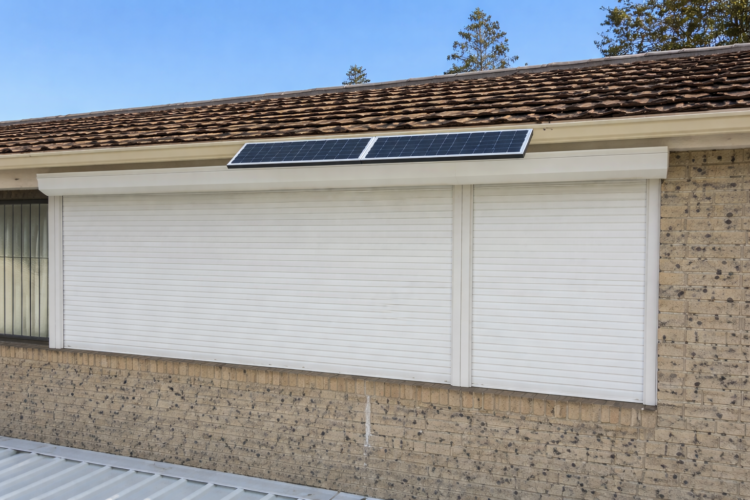
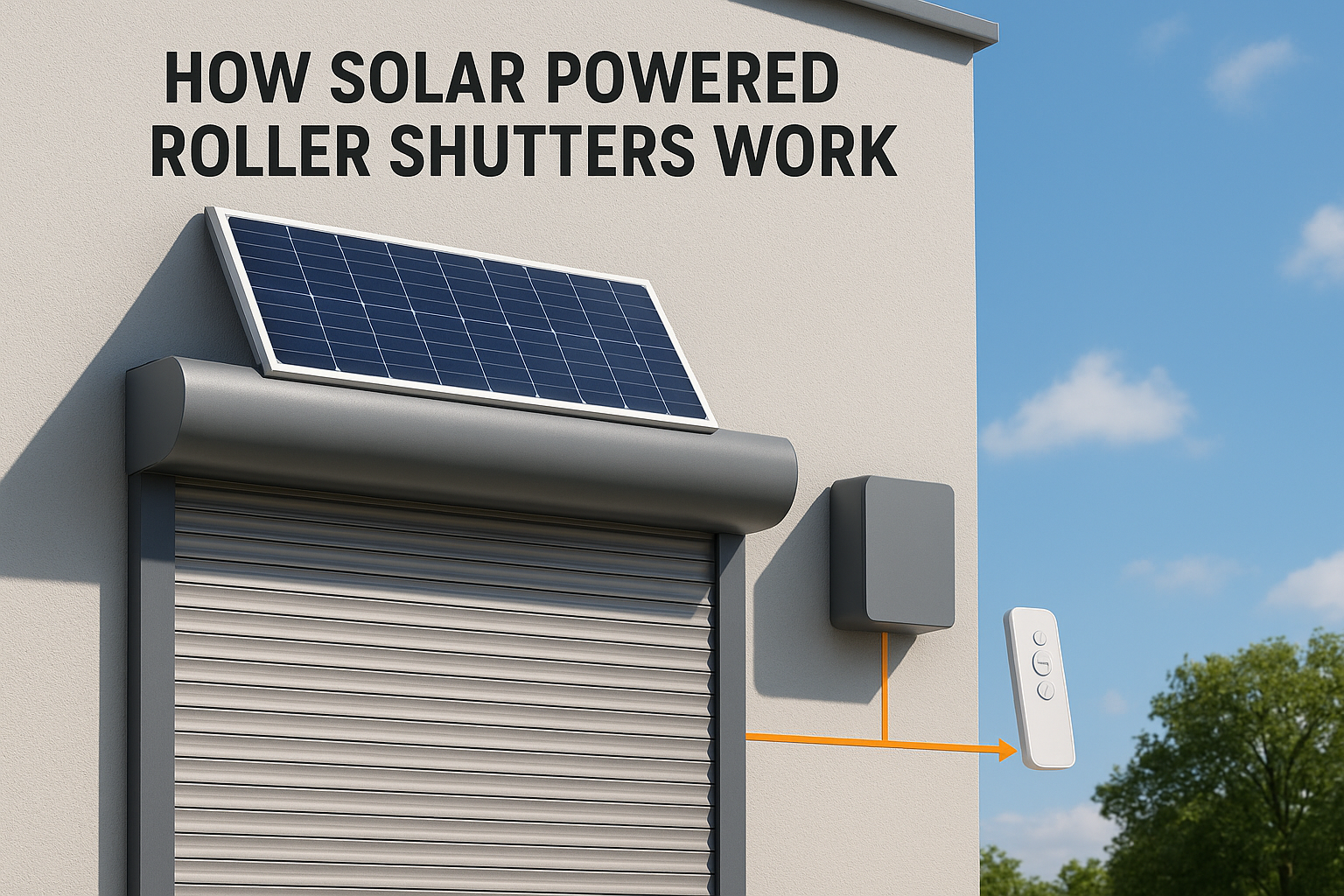
The core concept is straightforward: a small solar panel captures sunlight and converts it into electricity, which charges a built-in rechargeable battery that powers the motor. No connection to your home’s mains wiring is required, which makes these systems significantly simpler to install than standard electric shutters.
The solar panel and battery setup
Solar powered roller shutters use a compact panel, typically mounted on the shutter box or a nearby wall, sized specifically for the low power demands of the motor. The battery stores several days’ worth of operation, so a few overcast days won’t stop your shutters from functioning normally.
A fully charged battery in most solar shutter systems can power hundreds of open and close cycles before it needs sunlight to recharge.
In Adelaide’s climate, your panel recharges quickly and consistently for most of the year, meaning reliable daily performance without any grid dependence.
The motor and control system
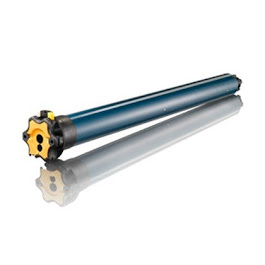
The motor sits inside the shutter barrel and draws power directly from the battery. You can operate it using remote controls, wall switches, or smart home integrations, all of which work identically to standard electric shutters.
Because the power source is entirely self-contained, your installer doesn’t need to run new cabling through walls, which reduces installation time and keeps overall costs lower.
Key benefits for comfort, privacy and security
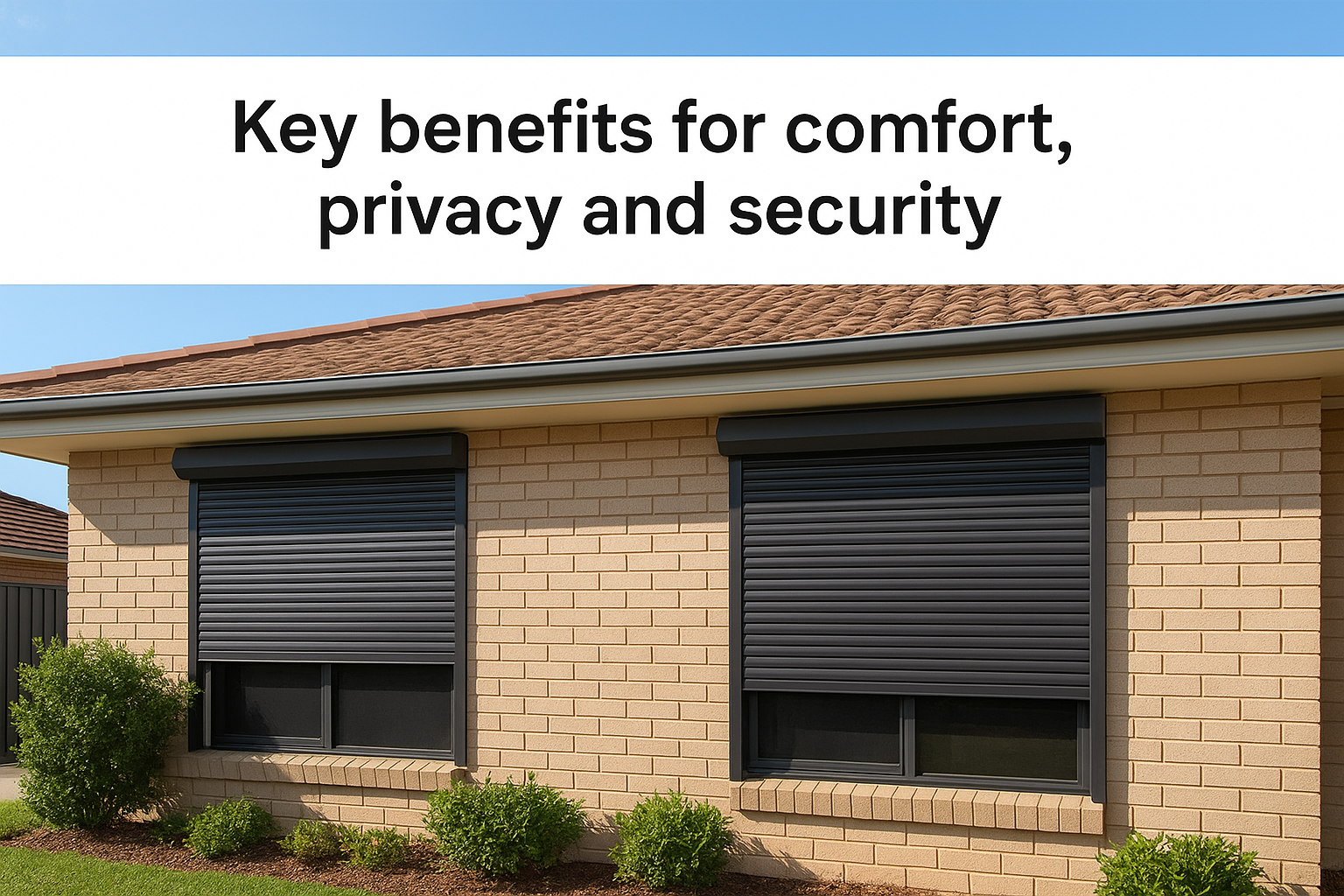
Solar powered roller shutters deliver the same core advantages as any motorised shutter system, but without the wiring costs or grid dependence. The benefits fall across three practical areas: thermal comfort, privacy control, and home security. Understanding each one helps you decide which rooms and windows will benefit most from this upgrade.
Thermal comfort and energy savings
Closing your shutters before the afternoon heat builds blocks radiant heat at the window, which is where most summer heat gain occurs. External shutters reduce solar heat entry far more effectively than internal blinds or curtains, because they stop heat before it reaches the glass. You’ll notice a real difference in how hard your air conditioning has to work on Adelaide’s peak summer days.
Homes with external roller shutters can see a measurable reduction in cooling energy use during Adelaide’s hottest months.
Privacy and security without compromise
Motorised solar shutters give you precise control over who can see into your home at any time of day, without needing to be near a wall switch. Closing them at dusk takes a single button press from wherever you are in the house. From a security standpoint, closed shutters signal that a property is actively maintained, which reduces opportunistic break-in risk compared to homes with uncovered windows at night.
Common limitations and how to plan around them
Solar powered roller shutters work well in most conditions, but they do have a few practical constraints worth understanding before you buy. Knowing these upfront lets you choose the right system and position it correctly from the start, rather than discovering issues after installation.
Reduced output on overcast days
Cloudy weather reduces the panel’s charging rate, though it doesn’t stop it entirely. Most systems include a battery buffer that stores several days of capacity, so a run of grey winter days in Adelaide typically won’t interrupt normal operation.
Choosing a system with a larger battery capacity gives you greater resilience during extended low-light periods.
If your installation faces significant shading from nearby trees or roof overhangs, discuss panel placement with your installer before committing to a final position.
Limited options for large or heavy shutters
Heavier shutter configurations, such as those covering large commercial openings, draw more power per cycle than a compact solar panel and battery can consistently supply.
For standard residential windows, solar systems handle the load comfortably. If you’re covering wide spans or need high-frequency operation across many shutters, a hybrid or mains-connected system may suit your needs better.
Costs, installation and choosing the right system
Solar powered roller shutters typically cost more upfront than manual systems, but the gap narrows quickly when you factor in the savings on installation labour and ongoing electricity use. Because no mains wiring is required, your installer spends less time on-site, which reduces the overall installation cost compared to standard electric shutters.
What affects the price
The final price depends on several key factors: shutter size, motor specification, and battery capacity all shift the cost up or down. Larger windows need heavier motors and bigger panels, so expect higher pricing for wider openings. Getting a free in-home quote gives you an accurate figure based on your specific windows and layout rather than a rough estimate.
Comparing quotes that include installation, not just the shutter price, gives you a much clearer picture of total cost.
What to look for when choosing
When selecting a system, battery storage capacity and warranty terms are the two details that matter most. A larger battery means more reliable performance through low-light periods, and a solid warranty protects your investment for years ahead. Ask your installer whether the solar panel placement avoids shading from nearby structures, since consistent sun exposure is what keeps the system running reliably day to day.

Next steps for your home
Solar powered roller shutters are a practical, low-maintenance upgrade that suits Adelaide’s climate well. If you’re replacing existing manual shutters, looking to avoid mains wiring costs, or simply want greater daily control over heat, privacy, and security, they’re worth serious consideration for most standard residential windows.
Before you commit, take stock of the windows you want to cover. Think about shutter size, sun exposure on each elevation, and how often you’d operate them during the day. That gives your installer the information needed to recommend the right motor capacity and battery size for your specific setup.
Classic Roller Shutters Adelaide has over 40 years of experience manufacturing and installing roller shutters across Adelaide and surrounding areas. Getting an accurate quote costs you nothing, and you’ll leave knowing exactly what your options are. Book a free in-home consultation with Classic Roller Shutters Adelaide and find out which system suits your home best.