
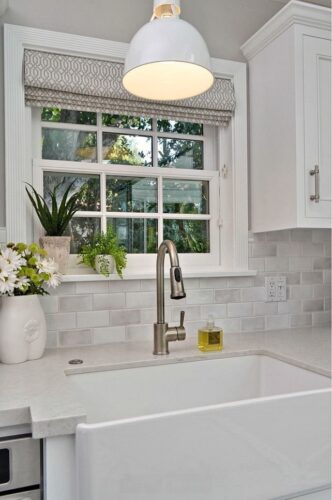
Roman blinds bring a timeless elegance to any room, but are they the right choice for your home? Understanding the roman blinds pros and cons is essential before making a decision that affects both the look and function of your living spaces. These classic window treatments have remained popular for decades, yet they’re not suited to every situation or lifestyle requirement.
At Classic Roller Shutters Adelaide, we’ve spent over 40 years helping South Australian homeowners find the perfect window coverings. Our experience across blinds, shutters, and curtains means we’ve seen firsthand where Roman blinds shine and where alternative options might serve you better.
This guide breaks down the five key benefits and drawbacks of Roman blinds, covering everything from aesthetic appeal and insulation to maintenance demands and cost considerations. By the end, you’ll have a clear picture of whether they’re the right fit for your Adelaide home.
1. Roller shutters as a smart alternative
Before you commit to Roman blinds, it’s worth considering roller shutters as an alternative that solves many of the limitations we’ll discuss later. While weighing up the roman blinds pros and cons, you might find that roller shutters address specific needs more effectively, particularly in Adelaide’s harsh climate. They’re not right for every room or aesthetic preference, but they deserve attention when planning your window treatments.
How roller shutters compare to roman blinds
Roller shutters deliver superior light control because you can adjust them to any position, unlike Roman blinds that work best either fully raised or lowered. You’ll also get enhanced security and privacy, with aluminium slats that physically block access and viewing from outside. Insulation performance typically exceeds what Roman blinds offer, keeping your home cooler in summer and warmer in winter with a solid barrier against Adelaide’s temperature extremes.
Roller shutters create a sealed barrier that can reduce heat transfer by up to 90%, far exceeding the insulation capabilities of fabric blinds.
Maintenance demands are minimal with roller shutters because dust and dirt don’t cling to smooth aluminium surfaces the way they settle into fabric folds. You can simply wipe them down occasionally, whereas Roman blinds require more careful cleaning to avoid damaging delicate materials.
Where roller shutters make more sense in Adelaide homes
Adelaide’s scorching summers and bushfire risks make roller shutters particularly valuable on north and west-facing windows, where heat and sun exposure are most intense. You’ll appreciate the protection during storm seasons when flying debris can damage glass, something fabric blinds can’t defend against. Bedrooms benefit from complete light blocking, especially for shift workers or children who need daytime sleep in our bright climate.
Trade-offs to expect on price, look, and installation
Roller shutters cost more upfront than most Roman blind installations, though the gap narrows when you compare premium lined Roman blinds to mid-range shutters. You’ll face a bulkier appearance from outside your home, which some find less refined than the soft look of fabric treatments. Installation takes longer and requires fixing points to your walls or eaves, whereas Roman blinds mount quickly inside window frames with minimal structural work.
2. Roman blinds look soft, tailored, and modern
The visual appeal of Roman blinds stands out as one of the strongest arguments when considering roman blinds pros and cons. These window coverings bring a refined softness to rooms that harder treatments like roller shutters or Venetian blinds can’t match. You’ll find they work particularly well in living areas, bedrooms, and dining rooms where you want a sophisticated atmosphere without sacrificing functionality.
What gives roman blinds their signature look
Roman blinds create elegant horizontal folds when raised, stacking neatly at the window top instead of rolling into a tube. The fabric drapes naturally when lowered, giving you a clean, unbroken surface that resembles a fitted panel rather than gathered curtains. This structured appearance lets you showcase beautiful textiles while maintaining a streamlined profile that suits contemporary Adelaide homes.
Roman blinds offer the formality of curtains with the clean lines of modern blinds, creating a balanced aesthetic that works across design styles.
Best fabric and style choices for different interiors
You’ll want heavier linens and cottons for living areas where durability and body matter most, while lighter fabrics suit bedrooms where softness takes priority. Coastal homes benefit from natural fibres in neutral tones, whereas heritage properties often look best with damasks or textured weaves. Consider flat Roman styles for minimalist spaces and cascading folds when you want a more traditional feel.
What to check before ordering, including inside vs outside fit
Mounting inside the window recess gives you a sleek, built-in appearance but requires accurate measurements and sufficient depth for the blind mechanism. Outside mounting covers the entire window frame and surrounding wall, which hides imperfections and makes windows appear larger. Check your window depth carefully, as some Roman blind systems need at least 50mm clearance for proper operation.
3. Roman blinds can improve insulation and comfort
Insulation ranks high among the roman blinds pros and cons you’ll weigh when choosing window treatments. Roman blinds create an air pocket between the fabric and glass that reduces heat transfer, though the benefit varies significantly based on fabric choice and lining options. You’ll notice temperature improvements in most rooms, particularly during Adelaide’s extreme weather where every degree of comfort counts.
How roman blinds help with heat and cold
Roman blinds trap air within their horizontal folds when raised and form a barrier layer when lowered, slowing the movement of heat through windows. You’ll get better results with thicker fabrics and proper linings that add bulk and density to this barrier. The fabric sits closer to the glass than curtains typically do, which reduces the air gap where heat normally circulates and transfers through convection.
Layered fabric blinds can reduce heat loss through windows by up to 25%, though performance depends heavily on material density and fit quality.
When to use thermal and blackout linings
Thermal linings work best in bedrooms and living areas where you want year-round temperature control without complete darkness. Blackout options suit children’s rooms and home theatres where light blocking matters as much as insulation. You’ll find these linings add noticeable weight to your blinds, which may require stronger mounting hardware and affects how smoothly they raise and lower.
Where insulation gains matter most and where they do not
Focus your investment in thermal Roman blinds on west-facing windows that cop Adelaide’s afternoon heat and south-facing rooms that stay cool in winter. Skip expensive insulation upgrades for small windows, bathrooms, and laundries where ventilation needs outweigh temperature control benefits. Your money delivers better returns on larger windows in living spaces where you spend most of your time.
4. Roman blinds have limited light control
Light control presents a significant limitation when evaluating roman blinds pros and cons for your Adelaide home. Roman blinds operate on a simple up or down system where you adjust them to specific positions along their length, but they don’t offer the precision control you get with tilting slats or adjustable louvres. You’ll find yourself working with less flexibility when you want partial light filtering throughout the day.
Why roman blinds feel more up or down than adjustable
Roman blinds bunch into horizontal folds when raised, creating gaps that let light stream through even at partial heights. You can’t redirect sunlight the way Venetian or vertical blinds allow with their rotating slats, which means you’re choosing between open, partially open, or closed positions. The fabric hangs flat when lowered, blocking most light but leaving small gaps around the edges where the blind meets the window frame.
Unlike slatted blinds that let you control both the amount and direction of incoming light, Roman blinds only adjust how much of the window remains covered.
How to improve light control with fabric choices and layering
Choosing sheer or semi-sheer fabrics gives you better daytime privacy while maintaining natural light when the blinds stay lowered. Layering Roman blinds with lightweight curtains or sheers adds flexibility for different times of day. Blackout linings provide complete darkness when you need it, though you sacrifice the ability to filter light without raising the entire blind.
When roller or venetian blinds may suit the room better
Bathrooms and kitchens benefit from Venetian blinds where you frequently adjust light throughout the day while cooking or getting ready. Home offices need precise glare control that Roman blinds can’t deliver when screen position and sun angle change hourly. Roller blinds suit rooms where you want simpler operation and less bulk than Roman blind folds create.
5. Roman blinds need more care in messy or wet rooms
Maintenance demands shift the roman blinds pros and cons balance when you install these window treatments in high-traffic or moisture-prone areas. Roman blinds collect dust and grime more readily than smooth-surfaced alternatives because their fabric folds trap particles in ways that roller shutters or Venetian blinds don’t. You’ll face more cleaning work and potential replacement costs in rooms where spills, splashes, and humidity create ongoing challenges.
Common drawbacks including stains, dust, and cleaning limits
Fabric Roman blinds attract dust into their horizontal folds, requiring regular vacuuming with upholstery attachments to prevent buildup that dulls colours and affects operation. You can’t simply wipe them down like hard blinds, and professional cleaning costs between $30 and $80 per blind depending on size and fabric type. Food splatters in kitchens and bathroom product spray leave permanent marks on lighter fabrics, particularly when you can’t treat stains immediately.
Fabric window coverings in kitchens accumulate grease and cooking residue up to three times faster than in other rooms, requiring cleaning every 3-6 months instead of annually.
Moisture risks in bathrooms, laundries, and kitchens
Humidity damages Roman blinds through mould growth on natural fibres and warping of wooden battens that create the blind’s structure. Adelaide’s high summer humidity makes bathrooms and laundries particularly problematic, where steam condenses on fabric and promotes bacterial growth. You’ll notice fabric sagging and discolouration within 12-18 months in wet areas, compared to 5-10 years in dry rooms.
Safety and running costs, including cords and repairs
Corded Roman blinds present strangulation risks for young children, though cordless and motorised options eliminate this concern at higher upfront costs. Repair expenses add up when cord mechanisms fail or fabric tears, often requiring complete replacement rather than simple fixes. Budget for replacement every 5-7 years in active homes versus 10-15 years for roller shutters.
Next steps
Understanding the roman blinds pros and cons helps you make choices that suit your lifestyle and Adelaide’s demanding climate. Roman blinds deliver aesthetic appeal and decent insulation in bedrooms and living areas, but they demand more maintenance than alternatives like roller shutters. Your decision should weigh factors including which rooms need coverage, how often you’ll adjust light levels, and whether moisture or heavy use will shorten their lifespan.
If you’re still weighing your options or want expert guidance on window treatments, Classic Roller Shutters Adelaide offers free in-home consultations where we’ll assess your specific needs. We’ll show you fabric samples, discuss roller shutters as an alternative, and provide honest recommendations based on 40 years of experience serving South Australian homes. Get your free quote today and find the perfect window covering solution that balances beauty, function, and long-term value for your property.