A split-second impact, a freak Adelaide storm, or a botched break-in can leave roller shutters twisted beyond use. The good news is that most Australian home and business policies will foot the bill once a claim is accepted, covering like-for-like replacement at roughly $900–$2,500 per residential shutter and $3,000–$6,000 for larger commercial units. The road to a stress-free payout is simple on paper—document the damage, lodge the claim with photos and at least one specialist quote, wait for the insurer’s green light, then book a licensed installer—but each step holds small traps that can stall or shrink your settlement.
This guide explains exactly how insurance replacement works, what costs you’re likely to face, typical claim timelines, and how to choose a contractor who keeps both you and the loss adjuster happy. You’ll also pick up practical tips to avoid knock-backs, upgrade without blowing the budget, and get your property secure again—faster.
How Insurance Replacement Works for Roller Shutters
An insurance replacement for roller shutters is not just another repair invoice. Under Australian general-insurance law the insurer’s duty is to place you “in the same financial position” you were in before the loss. That means supplying a shutter of equivalent size, material and performance, or the nearest modern equivalent if your original profile is obsolete. You’re normally free to choose the contractor, but the insurer must approve the scope and cost before works begin. If you decide to upgrade—say from manual to motorised—you simply pay the difference while the insurer covers the like-for-like portion. Need help with your insurance claim – get help here with our roller shutter repairs division.
Types of incidents insurers usually cover
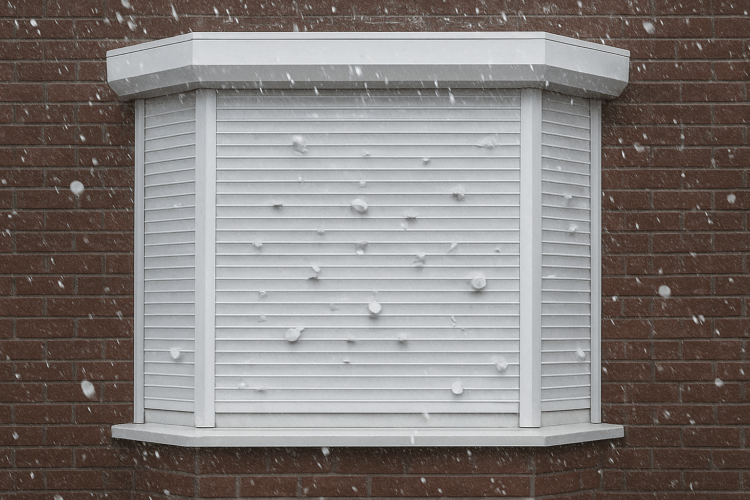
- Storm, hail or cyclone-thrown debris
- Wind-borne objects or falling tree limbs
- Fire, smoke or water used to extinguish a blaze
- Malicious damage, ram-raid or burglary attempt
- Vehicle or forklift impact (often listed as accidental damage)
Policies rarely pay for gradual deterioration: corrosion, faded powder-coat, frayed tapes, or lack of maintenance are classed as wear and tear.
Repair vs complete replacement: how insurers decide
Loss adjusters weigh three factors:
- Structural integrity – bent side guides or distorted axles often demand a full swap.
- Age and parts availability – if matching slats or motors are discontinued, replacement is cheaper and faster.
- Cost ratio – many insurers apply a 60 % rule; when repairs exceed that threshold, they authorise a new shutter.
Documentation insurers typically request
- Date-stamped photos or video taken immediately after the incident
- Police, SES or fire reports where relevant
- Two written quotes from licensed shutter specialists detailing materials, labour and disposal
- Proof of purchase or warranty (if handy)
- Maintenance log or service receipts demonstrating the unit was serviceable pre-loss
Providing this bundle up front shaves days off approval times.
Estimating the Costs You’ll Need to Budget For
Money talk is what most policy-holders want first, so let’s put real 2025 numbers on the table. Prices swing with exchange rates, aluminium grades and labour availability, but the ball-parks below mirror the quotes we and other Adelaide fabricators are issuing every week.
Average replacement costs in Australia (materials + labour)
| Shutter type & size (W × H) | Operation | Indicative installed price* |
|---|---|---|
| 2400 mm × 1200 mm residential aluminium | Manual strap/winder | $900 – $1,400 |
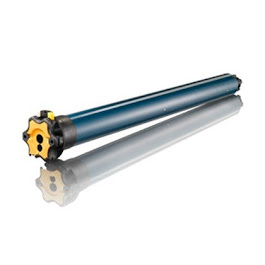
| 2400 mm × 2100 mm residential | 240 V tubular motor | $1,450 – $2,200 |
| 3000 mm × 3000 mm shopfront | Single-phase motor | $3,000 – $4,500 |
| 3600 mm × 3600 mm warehouse widespan | 3-phase motor | $4,500 – $6,000 |
| Motorisation add-on (per unit) | Battery or 240 V | + $350 – $750 |
*Includes GST, removal of the damaged shutter and a standard powder-coat colour.
Typical out-of-pocket expenses: excesses, upgrades, betterment
- Policy excess: most SA home policies sit at $500–$1,000; commercial can start at $1,500. You pay this directly to the installer or it’s deducted from any cash settlement.
- Upgrades: want to jump from crank handle to smart-phone control? The insurer still only funds the manual equivalent; you tip in the difference (often $400–$900).
- Betterment: changing to a high-density Cyclone-Rated curtain or a brand-new colour scheme counts as betterment. Expect to cover the incremental cost so the insurer isn’t “improving” the asset on their dime.
Hidden costs to watch
- Electrical work – Hard-wiring a new motor back to the switchboard can add $250–$600, especially if RCDs need upgrading.
- Access equipment – Multi-storey installs may require a boom lift ($350+ per day) or scaffold hire; these are sometimes excluded from “standard install” quotes.
- Building remediation – Older brick guides sometimes crumble on removal. Minor brick-up and re-render can tack on another $150–$400 per opening.
- Disposal and recycling fees – Not huge dollars ($30–$60 per shutter) but worth confirming so the yard isn’t left littered with twisted aluminium.
Knowing these figures in advance lets you flag anything missing from the quote before it lands on the assessor’s desk, avoiding last-minute budget surprises.
Step-by-Step Process for Lodging a Claim
The fastest claims are the ones that follow a tidy paper trail. Use the checklist below as your roadmap from the moment the shutter is damaged to the day the replacement is signed off. Sticking to the sequence keeps both your insurer and installer on the same page and helps avoid unwanted “he said, she said” disputes.
Immediate actions after damage occurs
- Make the area safe: isolate power, sweep glass, board-up if the opening is exposed.
- Grab your phone and take clear photos and a short video from multiple angles; include the date stamp.
- Prevent further loss—temporary plywood or plastic sheeting shows good faith.
- Notify your insurer within the policy’s time limit (often 48 hours) and jot down the claim reference number.
Getting quotes and assessments
- Contact classic roller shutters and request a written, itemised quote.
- Ensure quote lists: dimensions, curtain type, colour, motor spec, labour, disposal, access equipment and GST.
- If the insurer appoints a loss adjuster, supply your evidence promptly and meet them onsite to walk through the damage.
Navigating insurer approvals and authorizations
- Domestic claims are usually approved in 3–10 business days once documentation is complete; complex commercial jobs can take longer.
- Answer follow-up questions quickly—missing specs or unclear photos are the main cause of delays.
- Decide whether you want a cash settlement (you organise the work) or an insurer-authorized purchase order.
Scheduling the works and final sign-off
- Book the installer as soon as written authorization or funds hit your account.
- Prepare the site: clear furniture, ensure power is live, arrange parking for boom lifts if needed.
- On completion, inspect the new shutter, sign the installer’s completion certificate, and forward it to your insurer along with the final invoice and warranty paperwork.
- Keep copies—future claims or premium discounts may hinge on this documentation.
Choosing a Roller Shutter Specialist for Insurance Jobs
The quickest path to an approved claim is hiring a contractor who already speaks the insurer’s language. Thats us! Someone who handles insurance replacement for roller shutters every week will know how to format quotes, photograph hidden damage and answer a loss-adjuster’s follow-up questions before they even hit your inbox. The result: fewer delays, no scope disputes and a shutter that’s back in action sooner. We help you with every step of the way.
Common service timelines and warranties
- Residential shutter replacement: 1–2 weeks after approval
- Bespoke commercial units: 3–6 weeks, depending on motor lead times
- Typical cover: 5 years on parts, 2 years on labour; insurer liability sits on top for any workmanship defects discovered during the claim period
Tips to Avoid Claim Rejections and Delays
Most knock-backs arrive because the insurer can’t confirm that the damaged shutter was serviceable, compliant, or covered by the reported event. A little admin done now can shave weeks off an insurance replacement for roller shutters later.
Maintenance records and proof of condition
- Book an annual service or log DIY cleaning, lubrication and tension checks in a phone note.
- File digital copies of purchase invoices, serial numbers and previous repair receipts.
- Snap a quick photo each time the shutter is serviced—date stamps are gold when arguing wear-and-tear versus sudden impact.
Ensuring compliance with building codes and Australian Standards
- Confirm new motors are wired by a licensed electrician and meet
AS/NZS 3000. - For bushfire or cyclone zones, keep the product certificate showing compliance with
AS 3959orAS 1170. - Rectify legacy non-compliant installs before disaster strikes; insurers can reduce payouts for known defects.
Communicating effectively with assessors
- Provide concise, factual statements and label every photo.
- Be onsite for inspections to answer questions in real time.
- If you disagree with a decision, escalate in writing and attach supporting expert reports—emotion wastes time, evidence wins.
Frequently Asked Questions About Insurance Replacement
Below are the bite-size answers insurers, builders and property owners ask us most often. They’ll help you cut through jargon and speed up an insurance replacement for roller shutters without the back-and-forth emails.
How long do roller shutters last and does age affect a claim?
Quality aluminium shutters usually give 10 – 25 years of service. If yours are closer to retirement the insurer may apply depreciation or offer a cash settlement rather than full replacement. Good maintenance records can convince the assessor the unit failed from sudden impact, not old age.
Can I upgrade from manual to electric during replacement?
Yes. The insurer pays what a manual unit would cost; you simply cover the price difference for the motor, controller and any extra wiring. Make sure the variation is noted on the quote and pre-approved so there’s no surprise shortfall.
Will new shutters reduce my future premiums?
Possibly. Many underwriters offer small discounts for improved security or bushfire compliance. Send your insurer the installation certificate and ask for a “protective devices” review at renewal.
What alternatives can insurers approve if shutters are obsolete?
When matching parts are unavailable, loss adjusters may accept modern façade screens, fixed aluminium louvres or security grilles of equivalent strength. Discuss the pros and cons—privacy, insulation, cost—before signing off on a substitute solution. Need help contact us now.
Moving Forward With Your Replacement
A successful insurance replacement for roller shutters boils down to four moves: know what your policy will and won’t pay, gather crystal-clear evidence and quotes, pick an installer who lives and breathes insurance paperwork, and keep every receipt and email in one folder. Do that and most Adelaide home or business claims wrap up in a fortnight, not a season.
If your shutters are bent, burnt or simply gone, don’t wait for the next storm or break-in. Our factory team can measure, quote and liaise with your assessor—often on the same day you call—then build new shutters right here in Adelaide. Reach out to Classic Roller Shutters Adelaide for a fast, factory-direct insurance quote and get your opening secure again, pronto.