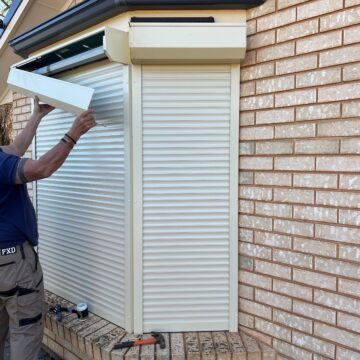
Choosing the right Somfy roller shutter motors for your shutters isn’t as simple as picking the biggest number on the box. Get the torque wrong and you’ll burn out a motor within a couple of years, or pay for power you never needed in the first place. If you’re comparing models before an upgrade or a new install, you need real numbers, not marketing fluff.
This guide breaks down the Somfy motor range sold and installed across Adelaide, from compact tubular motors for small domestic shutters through to heavy-duty units for wide commercial roller doors. We’ll walk through torque and sizing so you can match a motor to your shutter’s weight and width, plus current pricing ranges so you know what to budget for before you call anyone.
We’ve installed and repaired hundreds of Somfy-powered shutters across South Australian homes and businesses, so what follows is based on what actually holds up, not just spec sheets. You’ll come away knowing exactly which model suits your setup, what it should cost, and when it’s worth calling in a professional rather than tackling the upgrade yourself.
Why Somfy motors are worth choosing for your shutters
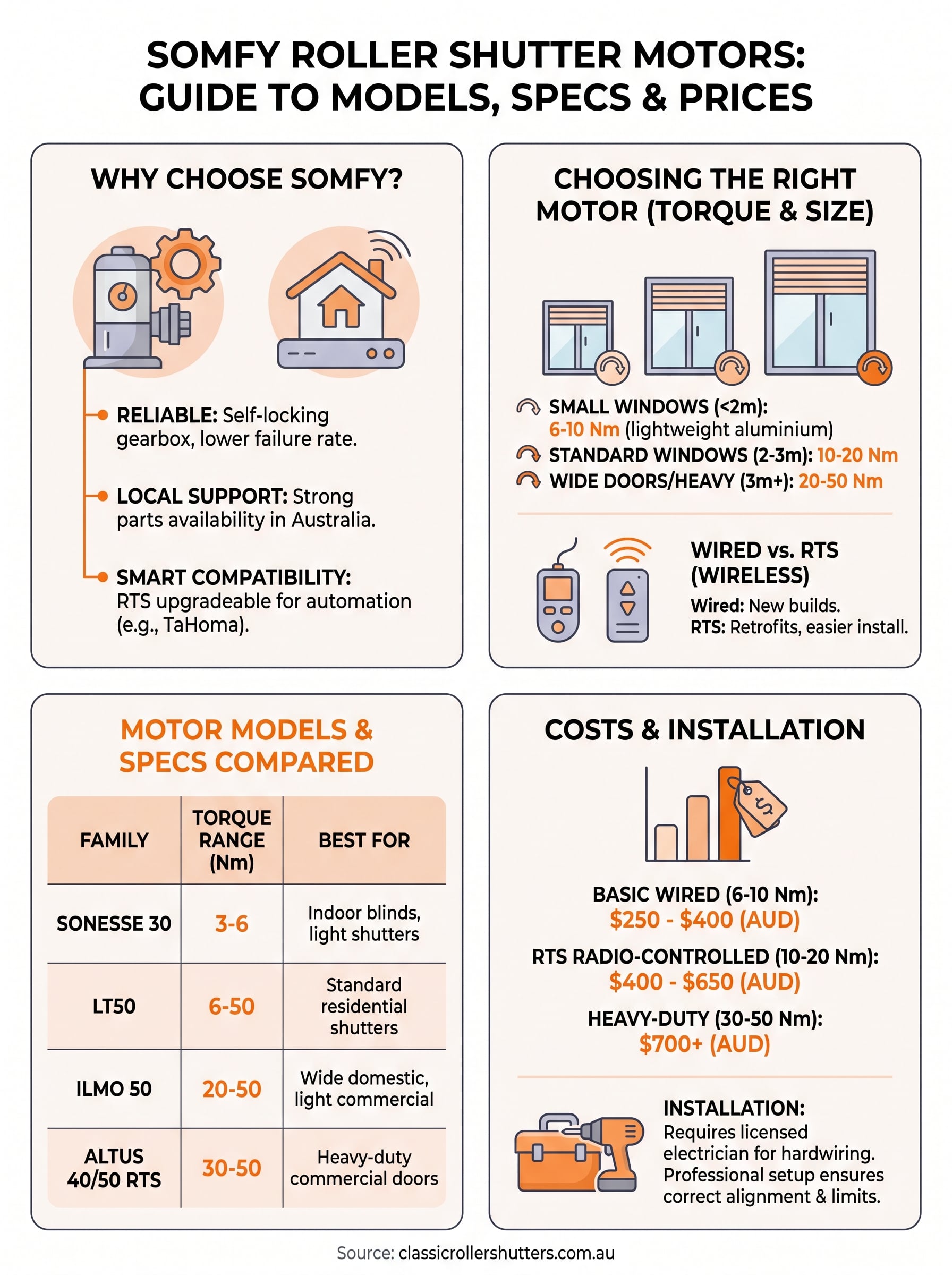
Somfy has been building tubular motors since the 1980s, and that history matters when you’re trusting a motor to hold up a heavy aluminium shutter above a window day after day. Somfy roller shutter motors use a self-locking gearbox, which means the shutter stays put in any position without relying on a separate brake mechanism. Cheaper generic motors often skip this feature, and the first sign of trouble is a shutter that slowly creeps down overnight.
Across the jobs we’ve done in Adelaide, the failure rate on Somfy units is noticeably lower than on off-brand alternatives, particularly in shutters that get used multiple times a day. Reliability isn’t just about convenience either. A motor that jams half-open on a security shutter defeats the whole point of having one.
A motor you never think about is doing its job properly.
Support is the other reason tradies keep specifying Somfy. Parts availability in Australia is strong, so when a motor does eventually need attention, you’re not waiting weeks for a part to arrive from overseas or discovering the model was discontinued years ago. Local parts supply means repairs get done in one visit rather than dragging out.
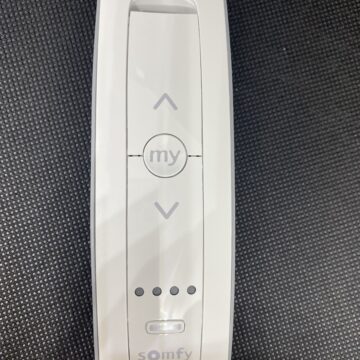
Somfy also builds in smart compatibility from the ground up. Even entry-level motors can be upgraded later with RTS radio receivers, letting you add remote control, timers, or integration with home automation systems like Somfy’s TaHoma hub without replacing the motor itself. That future-proofing matters if you’re installing shutters now but might want smart control down the track, since you avoid ripping out a working motor just to add a feature you skipped the first time round.
How to choose the right Somfy motor for your setup
Getting the right motor starts with measuring your shutter, not guessing. You need the exact width and weight of the shutter curtain, including the slats and bottom bar, because undersizing a motor forces it to work overtime and wears out the gearbox fast. Oversizing wastes money and can actually stress the shutter’s guide rails with excess torque.
Working out torque and width
Every Somfy motor is rated in newton metres (Nm), and that figure needs to match your shutter’s total weight plus a safety margin. As a rough guide:
- Small windows (up to 2m wide, lightweight aluminium slats): 6-10 Nm
- Standard windows (2-3m wide): 10-20 Nm
- Wide doors or heavy shutters (3m+, insulated slats): 20-50 Nm
Match the motor to the shutter’s actual weight, not the size of the opening.
Wired versus wireless control
Decide early whether you want a wired motor or an RTS radio-controlled unit. Wired suits new builds where cabling is straightforward, while RTS suits retrofits where running new cable through existing walls is impractical or expensive. If you’re unsure, a quick call to a local installer who can measure and calculate the correct torque saves you from buying the wrong unit twice.
Somfy motor models and specifications compared
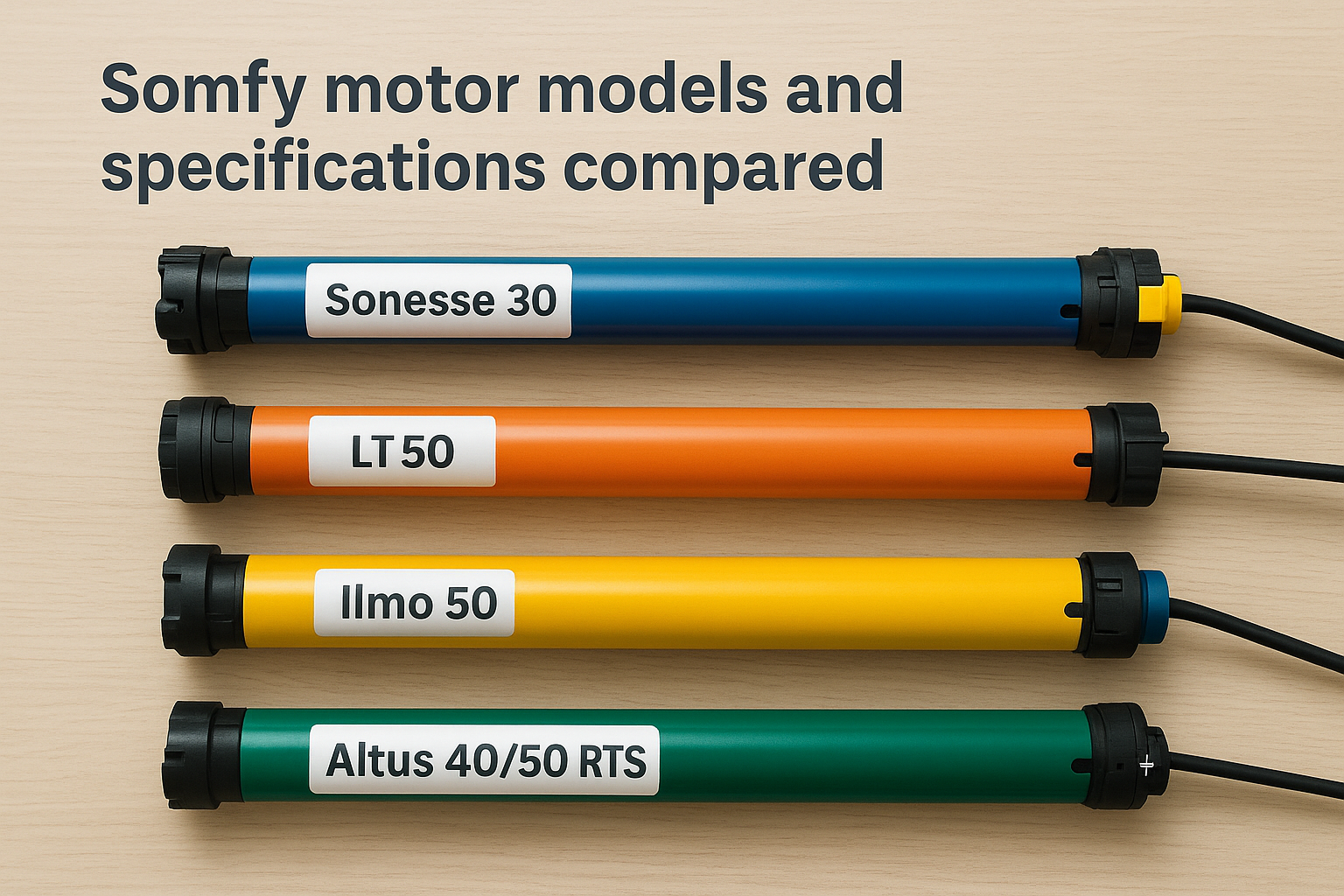
Somfy’s range splits into a handful of families, each built for a different job. The LT50 series covers most domestic shutters, with torque options from 6 Nm up to 50 Nm, and it’s the workhorse you’ll see on standard Adelaide homes. The Sonesse range suits lighter internal blinds and smaller shutters, while the Ilmo and Altus motors step up for wider commercial doors and heavier insulated slats.
| Model family | Torque range | Best suited to |
|---|---|---|
| Sonesse 30 | 3-6 Nm | Small indoor blinds, light shutters |
| LT50 | 6-50 Nm | Standard residential roller shutters |
| Ilmo 50 | 20-50 Nm | Wide domestic or light commercial shutters |
| Altus 40/50 RTS | 30-50 Nm | Heavy-duty and commercial roller doors |
The right family matters more than the exact model number.
Radio-controlled versions (RTS) exist across most of these families, so you’re not locked into wired-only options just because you picked a higher-torque motor. Checking the family first, then the torque rating within it, keeps you from comparing motors that were never designed for the same job.
What Somfy roller shutter motors cost in Australia
Pricing on Somfy roller shutter motors varies a fair bit depending on torque rating and whether you’re buying wired or RTS. A basic wired motor for a small domestic shutter typically sits between $250 and $400, while a mid-range RTS unit for a standard window runs $400 to $650 once you factor in the receiver. Heavy-duty motors for wide doors or commercial applications climb to $700 or more, especially the Altus range built for constant daily use.
Cheap motors cost less upfront but more over the life of your shutter.
| Motor type | Typical price range (AUD) |
|---|---|
| Basic wired (6-10 Nm) | $250-$400 |
| RTS radio-controlled (10-20 Nm) | $400-$650 |
| Heavy-duty/commercial (30-50 Nm) | $700+ |
Installation adds to that figure, and it’s worth budgeting separately rather than assuming the motor price covers everything. Labour costs depend on whether it’s a straightforward swap or involves running new cabling, and commercial roller doors generally take longer to fit than a single domestic window shutter. Getting a fixed quote upfront, rather than an hourly estimate, avoids surprises once the job’s underway.
Installing or upgrading to a Somfy motor
Swapping a manual shutter for a motorised one, or replacing a tired old motor, isn’t a job to rush. Somfy motors need the correct tube adaptor to fit your existing shutter housing, and getting that wrong means the motor won’t sit flush or spin the tube properly. Wiring also has to meet Australian electrical standards, so any hardwired installation needs a licensed electrician, not just a handyman with a drill.
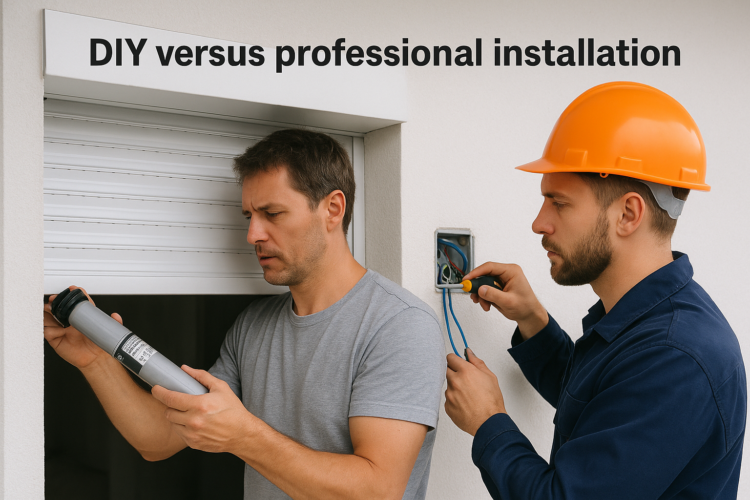
DIY versus professional installation
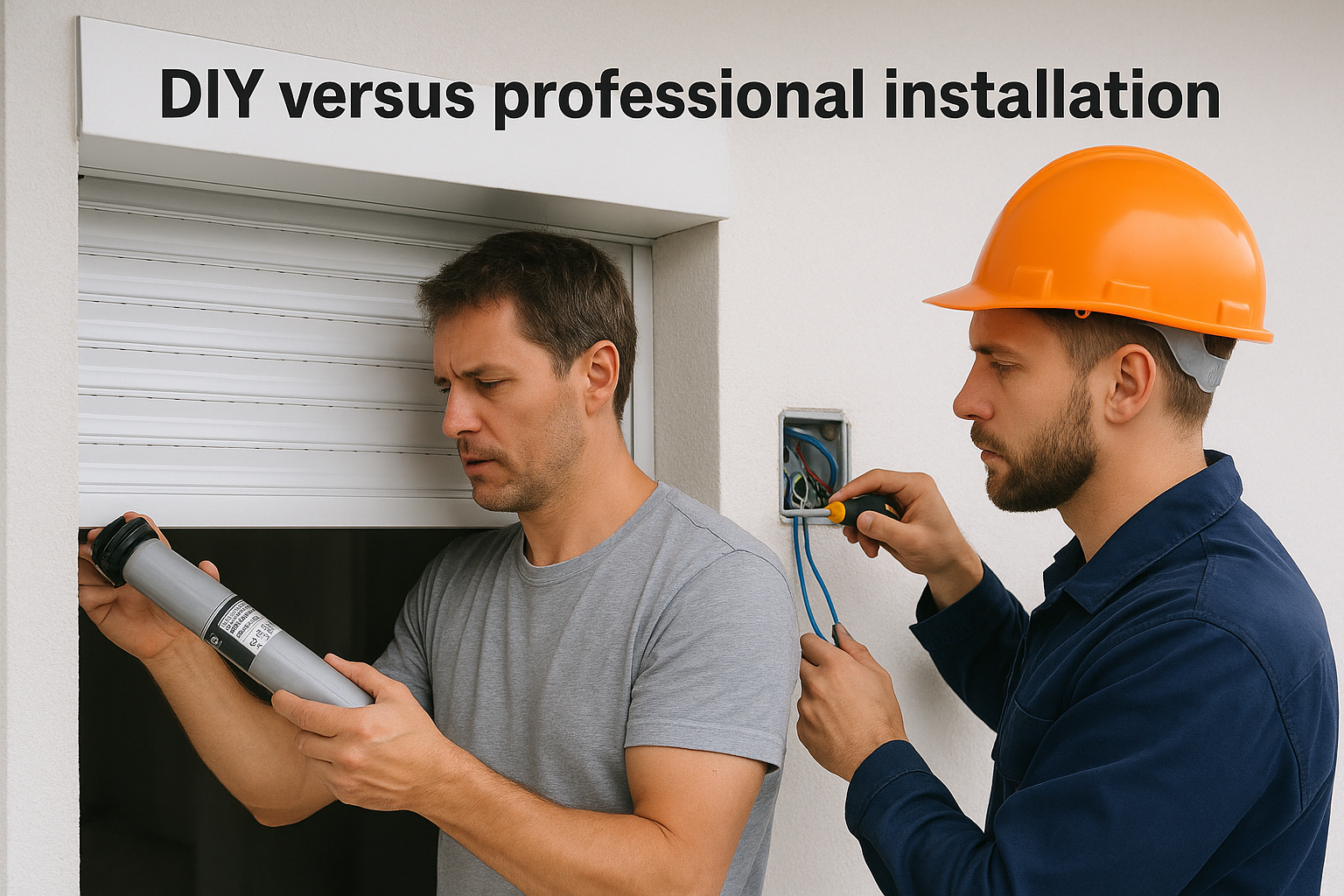
RTS radio-controlled motors are the easier retrofit option since they skip the need for new wiring runs through walls. Still, lifting a heavy shutter curtain, aligning the motor tube, and calibrating the end limits takes practice most homeowners haven’t got. Professionals set the end-limit stops correctly the first time, so the shutter doesn’t strain against the housing at full open or crush the bottom bar on close.
A motor fitted slightly out of alignment will fail years before its time.
Upgrading an existing manual shutter to electric usually costs less than replacing the whole unit, since the housing and slats stay as they are. That makes it one of the more cost-effective upgrades available for older Adelaide homes.
Finding the right motor for your home
Picking a Somfy roller shutter motor comes down to three things: accurate torque sizing, the right control type for your setup, and installation that’s done properly the first time. Skip any of those and you’re looking at premature wear or a shutter that never quite works the way it should. The specs and pricing above give you a solid starting point, but every shutter has its own quirks, from unusual widths to older housings that need specific tube adaptors.
Rather than guessing at torque figures or ordering the wrong RTS receiver, get someone who fits these motors daily to measure your shutter and confirm the exact model. That’s the difference between a motor lasting fifteen years and one that’s back on the tools within two. If you’re in Adelaide and ready to sort your shutters properly, get in touch with Classic Roller Shutters for a free quote and honest advice on the right Somfy motor for your home.