
A professional roller shutter motor upgrade is the process of converting a manual strap or crank (or replacing a tired tube motor) to a correctly sized electric drive with compliant wiring, controls and commissioning. Done properly, it matches the motor’s torque to your shutter, adds a wall switch, remote or app control, and ensures safe operation with a warranty you can rely on—delivering smoother movement, better security and everyday convenience.
This guide walks you through the entire decision, from what’s actually involved to the upgrade paths available (manual to wired, battery or solar; battery to wired), typical Australian costs and the levers that change the price. You’ll learn how to choose motor types and brands, weigh power and control options, understand the pro installation steps, and stay on the right side of safety and warranty. We’ll compare DIY vs professional labour, cover smart-home integration, upkeep and lifespan, when to replace instead of repair, how to vet quotes and installers, plus Adelaide-specific notes and money-saving tips.
What a professional roller shutter motor upgrade involves
A professional roller shutter motor upgrade is more than a motor swap. The installer sizes torque to your curtain, fits compliant parts and wiring, and commissions everything for safe, warrantied operation. Most domestic jobs take 45–90 minutes.
- Tubular motor + hardware: motor with matching crown/adaptor and manual-override.
- Power and controls: cabling (12/24 V or 240 V) with isolator, fixings and wall switch/receiver.
- Commissioning: limit setting, remote pairing, functional tests and an electrical compliance certificate.
Upgrade paths: manual to wired, manual to battery or solar, battery to wired
For a professional roller shutter motor upgrade you’ll typically choose one of three paths: manual to wired (new cabling and wall switch; add ~$120–$180 electrician labour), manual to battery or solar (no 240 V cabling, roughly cost‑neutral), or battery to wired (ditch charging once roof access improves).
How much a professional roller shutter motor upgrade costs in Australia
For most homes, a fully installed professional roller shutter motor upgrade runs between $650 and $900 per shutter, depending on size, access and city. Recent figures place Adelaide at $650–$820, Sydney $700–$900, and Perth $680–$860, with a typical mid‑size window landing around $770 fully installed.
- Parts: around $350–$480 for a mid‑range kit (motor, adaptors, receiver/switch, fixings); premium brands can reach $475+ for the motor alone.
- Labour: typically $300–$420 total including call‑out, removal/refit, electrician and compliance.
- Extras: remotes, multi‑channel handsets or smart hubs add ~$80–$400.
- Bundle savings: grouping multiple shutters often trims labour by 10–20%.
The key factors that influence price
What you pay for a professional roller shutter motor upgrade isn’t just the motor. Quotes move with shutter size and weight, torque required, how hard it is to run power, the controls you choose, the number of shutters done together, brand tier, and local labour rates. Travel and after‑hours needs can nudge it further.
- Shutter size & torque: heavier curtains need higher‑Nm motors; allow +$40–$120 per 10 kg and +$50–$140 as torque steps up.
- Access & cabling: double brick, long runs or wall repairs add $0–$250 (often a $90–$250 bump).
- Controls & smart: basic switches are cheap; remotes/hubs add ~$80–$400.
- Bundle volume: grouping shutters usually trims labour by 10–20%.
- Region & surcharges: Adelaide ~$110/hr; Sydney/Perth $110–$140/hr; beyond 30 km ≈$1.20/km travel; after‑hours +25%.
- Brand & spec: generic motors $120–$180, Ozroll/JAI $190–$275, Somfy $300–$475.
- Power choice: manual‑to‑wired typically adds $120–$180 electrician labour; battery/solar avoids 240 V runs and can be cost‑neutral.
Motor types, brands and torque sizing explained
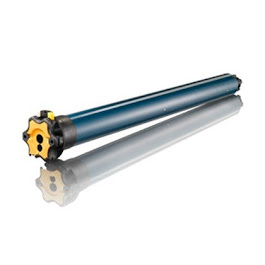
Roller shutters use tubular motors that sit inside the axle, in either 240 V hard‑wired or low‑voltage battery/solar variants. Motors are sized by torque (Nm) and most domestic upgrades fall between 20–50 Nm. Brand tiers set cost and refinement: generic imports ~$120–$180, Ozroll/JAI ~$190–$275, and premium Somfy ~$300–$475. Professionally installed, quality units typically last 8–15 years with 5–7‑year parts warranties.
- 20 Nm: small bathroom/bedroom windows.
- 40 Nm: common choice for mid‑size domestic shutters.
- 50 Nm: wide patio doors or heavier curtains (many 50 mm motors are rated up to 50 Nm).
Underspec strains the motor; overspec wastes budget—your installer will size torque to curtain weight and tube diameter as part of a professional roller shutter motor upgrade.
Power and control options: wired, battery, solar, remotes and smart apps
Choose power first, then control. Most Australian homes go 240 V hard‑wired for reliability; battery or solar suits tricky access. A professional roller shutter motor upgrade blends these to fit your access, budget and smart‑home needs.
- Wired 240 V: stable, no charging; needs a licensed electrician for cabling/switch.
- Battery (12/24 V): clip‑in or internal Li‑ion; ~9–18 months between charges; no 240 V runs.
- Solar add‑on: trickle‑charges battery; eliminates plug‑in charging; adds ~$130–$220.
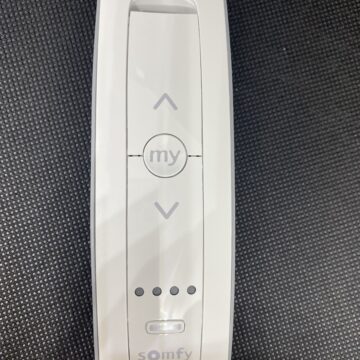
- Controls & smart: wall switch often included; RF remote ~$80 single, ~$120 multi; smart hubs $250–$400 enable app + Google/Alexa/Siri.
The professional installation process, step by step
A professional roller shutter motor upgrade follows a clear workflow, usually 45–90 minutes per domestic curtain. It covers correct sizing, safe 240 V wiring by a licensed electrician, and full commissioning with limit‑setting and an electrical compliance certificate. Here’s the step‑by‑step you can expect on the day.
- Pre‑check: confirm sizes, torque, access, tube, control locations.
- Isolate power; remove pelmet/strap/crank; inspect guides and axle.
- Fit motor: correct crown/adaptor; add manual override if specified.
- Power: 240 V cabling/isolator/switch by licensed electrician; or connect battery/solar.
- Controls: install receiver/switch; pair remotes/hub; label channels.
- Commission: set limits, test up/down cycles and load; adjust.
- Handover: tidy‑up, seal old winder hole, issue certificate and warranty.
Safety, compliance and warranty in Australia
In Australia, 240 V connections must be done by a licensed electrician under AS/NZS 3000, with an electrical compliance certificate. DIY mains wiring risks fines and insurance issues. Professional installation protects your warranty—most quality motors offer 5–7 years parts and around 12 months labour—whereas non‑authorised fitting can halve or void cover. Expect RCD/safety upgrades if your switchboard is outdated.
DIY vs professional installation: what actually saves money
DIY looks cheaper on paper—supply-only parts for a mid‑size shutter are roughly $350–$480 versus $650–$900 fully installed. But add tools, a licensed electrician for any 240 V work ($180–$350), compliance, and reduced/voided warranty, and the gap shrinks fast. Low‑voltage battery/solar DIY can save; mains‑wired upgrades usually cost less overall when done professionally.
Smart home integration and automation options
A professional roller shutter motor upgrade can add true smart control. Premium Somfy RTS motors gain app control, scenes, schedules and voice via a Connexoon/Tahoma hub (~$250). Low‑voltage RF kits pair to Wi‑Fi bridges for app/voice, while Matter‑over‑Thread clamp drivers connect directly to Apple/Google/Alexa—supporting grouping, timers and geofencing.
Maintenance, running costs and lifespan
Well‑maintained upgrades run quietly. Professionally installed motors last 8–15 years with 5–7‑year parts cover. Power use is tiny: a mains motor (~30 W for ~20 s, twice daily) is about $3/year at 35 c/kWh. 12 V units need SLA batteries every 3–5 years ($60–$90). Silicone guides twice yearly; cycle weekly; book a 3‑year service ($120–$180).
When to replace the motor instead of repairing it
Revive a tube motor once or twice; persistent faults usually mean replace. Considering a professional roller shutter motor upgrade? These red flags mean it’s time.
- Grinding/clunking
- Stops mid‑cycle/thermal trips
- Headbox hot or water ingress
At that point, a $400–$650 replacement beats more labour—and helps avoid jams.
How to choose the right installer and what to check on the quote – 0414611662
The right partner for a professional roller shutter motor upgrade blends technical sizing with licensed electrical work and solid after‑sales support. Favour factory‑direct or established repair teams, and avoid cash jobs without certificates. Make sure they size torque correctly, specify known brands, and stand behind the workmanship with real warranty terms.
- Credentials: licence numbers (electrical) and public liability insurance.
- Scope: supply and install tubular motor, crown/adaptor, manual override if included.
- Electrical: cabling, isolator, switch/receiver, and AS/NZS 3000 compliance certificate.
- Spec: brand, model and torque (Nm) matched to shutter size/weight.
- Controls: switches, remote count, smart hub and channels listed.
- Pricing: itemised parts and labour, call‑out, travel/km (
$1.20/km), after‑hours (+25%). - Allowances: make‑good for old winder hole, disposal, potential RCD upgrade.
- Warranty: parts (typically 5–7 years) and labour period; call‑back policy.
- Logistics: lead time, install window, payment schedule and deposits.
Adelaide buyers’ notes: local pricing and service areas- 0414611662
A professional roller shutter motor upgrade in Adelaide typically runs $650–$820 per shutter for a mid‑size window, with call‑out and labour $300–$380 and a 10–15% parts mark‑up. Classic Roller Shutters services Adelaide metro and nearby suburbs; travel loading may apply beyond 30 km of the CBD at about $1.20/km. Senior discounts and multi‑shutter bundles often trim labour 10–20%.
Budgeting tips to reduce costs without cutting corners
A professional roller shutter motor upgrade can be great value if you steer spend towards what matters—correct torque, compliant wiring and reliable controls—and trim non‑essentials. Use these proven tactics from recent Australian pricing to keep quality high and the invoice sensible.
- Bundle shutters in one visit: often 10–20% off labour.
- Time it right: book standard hours; shop EOFY/Boxing Day sales.
- Select only needed controls: remotes/hubs add roughly $80–$400.
- Match power to access: battery/solar can avoid 240 V cabling.
- Avoid surcharges: stay within 30 km (~$1.20/km) and skip after‑hours (+25%).
- Buy factory‑direct and ask discounts: seniors/trade‑in; get an itemised quote incl. compliance cert and any RCD (~$120).
Avoid these common mistakes
A professional roller shutter motor upgrade pays off when you get the spec, wiring and paperwork right. The most common problems come from rushing quotes, under‑sizing motors, or picking controls that don’t fit how you live. Use this quick checklist to stay clear of budget blowouts and call‑backs.
- Under‑sizing torque: strains the motor and shortens lifespan.
- Skipping a licensed electrician: no AS/NZS 3000 compliance certificate, insurance risk.
- Vague quotes: no brand/model, torque (Nm) or warranty terms spelled out.
- Mismatched controls: buying hubs/remotes you won’t use or that don’t suit your ecosystem.
- Ignoring access/cabling allowances: no provision for wall repairs, isolator or RCD upgrades.
- Not bundling shutters: missing easy labour savings by doing them piecemeal.
- Forgetting make‑good: no allowance to seal and paint the old winder hole.
- Assuming batteries are “set and forget”: plan for charging or add solar if access is tricky.
Final thoughts
A professional roller shutter motor upgrade should feel simple: the right torque, the right power and controls, and compliant installation that just works for years. You now know the cost ranges, the choices that matter, and how to vet a credible installer. Ready to automate, repair or convert your shutters with a local, factory‑direct team? Book a free in‑home quote with Classic Roller Shutters Adelaide and get a neat, warrantied install—often with bundle savings.