Shopping for residential roller shutters can feel overwhelming. You want to protect your home from Adelaide’s harsh sun, reduce street noise, and add an extra layer of security. But the options seem endless. Manual or electric? Integrated into the frame or mounted on top? Aluminium or composite materials? Should you tackle installation yourself or hire professionals? And what should you actually expect to pay per window?
This guide breaks down everything you need to know about buying residential roller shutters in Adelaide. You’ll learn about the main types available for homes, what they cost per window, how professional and DIY installation works, and what separates quality local suppliers from the big national chains. Whether you’re building new, renovating, or simply upgrading your existing windows, you’ll find practical answers to help you make a confident choice.
1. Classic Roller Shutters Adelaide
Classic Roller Shutters operates a factory-direct business model in Adelaide, which means you deal directly with the manufacturer rather than a middleman. This family-run operation has built its reputation on over 40 years of local experience, making custom roller shutters for residential properties across South Australia. You get access to Australian-made products, competitive pricing, and the convenience of a showroom where you can see actual samples before committing.
What Classic Roller Shutters offers homeowners
You receive free in-home consultations where a technician measures your windows and discusses your specific needs. The business handles everything from initial quotes to final installation, and they’ll even work from floor plans if you’re building new. Their showroom lets you compare materials, colours, and operation styles side by side.
Residential roller shutter options and features
The company manufactures exterior security shutters in various materials and finishes. You can choose between manual winder systems or electric motors, and they offer smart home integration options. Their range includes standard residential shutters, bushfire-rated products, and specialised solutions for different window types.
How quoting, pricing and timelines work
Your free quote comes after an on-site measure, which ensures accuracy. Classic Roller Shutters provides transparent pricing without hidden costs, and they’ll explain the timeline from order to installation. Manufacturing happens locally in Adelaide, which typically means faster turnaround than imported alternatives.
Local manufacturing gives you shorter wait times and easier access to replacement parts down the track.
Installation, upgrades and repairs in Adelaide
Professional installers handle the entire fitting process, including electrical work if you choose motorised shutters. The company also runs a dedicated repair division that services all brands, not just their own. You can upgrade existing manual shutters to electric operation, replace worn motors, or source spare parts for DIY fixes.
When to choose this full service option
This supplier suits you if you want local accountability and don’t want to manage multiple contractors. Their factory-direct pricing combined with installation, electrical services, and ongoing repair support makes them a practical choice for homeowners who value convenience and after-sales service.
2. Roller shutter types for homes
You face dozens of choices when selecting residential roller shutters, but they fall into clear categories based on mounting location, operation method, material type, and compliance standards. Understanding these distinctions helps you narrow down what suits your home’s architecture, your budget, and your specific needs around security, insulation, or storm protection.
Exterior security shutters
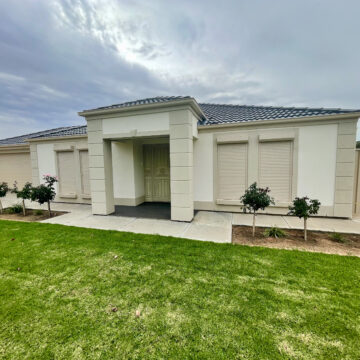
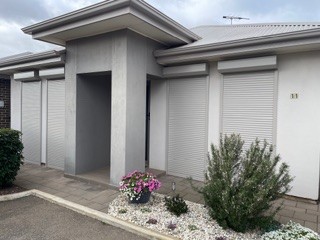
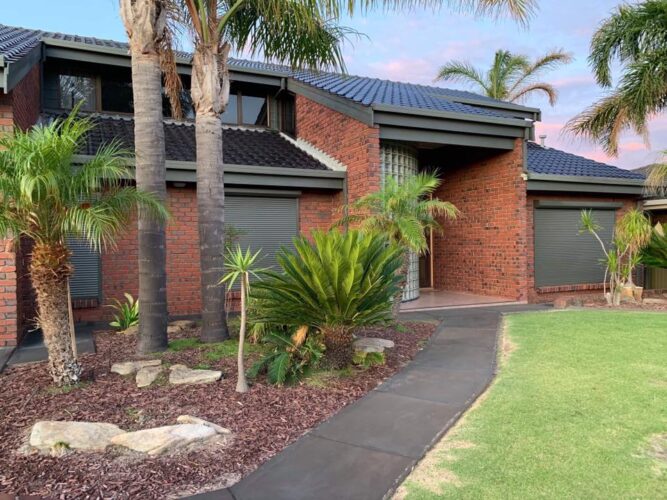
Exterior mounted shutters sit on the outside face of your window frames, providing the strongest barrier against break-ins and severe weather. You get maximum protection from heat, cold, and noise because the shutter creates an air gap between itself and the glass. These shutters handle Adelaide’s harsh summer sun better than interior options, and they deter intruders more effectively than any indoor covering.
Interior privacy shutters
Interior shutters mount inside your room, which preserves your home’s external appearance. You maintain full control over light and privacy without altering your facade, making them popular in heritage areas or strata complexes with strict exterior rules. They cost less to install than exterior models but offer reduced thermal and acoustic performance.
Manual winder roller shutters
Manual operation relies on a hand crank or strap system you turn to raise and lower each shutter. You pay lower upfront costs and avoid ongoing electricity consumption, but operating multiple shutters daily becomes tedious. These suits windows you adjust infrequently or homes where you want budget-friendly protection.
Electric and smart roller shutters
Electric motors let you control shutters with wall switches, remote controls, or smartphone apps. You gain effortless operation and can integrate them with home automation systems for scheduled opening and closing. Battery backup options keep your shutters working during power outages, which matters during storms.
Built-in shutters for new builds
Built-in systems integrate the shutter housing inside your window architrave during construction. You achieve cleaner aesthetics because the rolled-up shutter disappears completely, and you avoid any external box protruding from your facade. Architects and builders prefer this method for new homes.
Built-on shutters for existing homes
Retrofit shutters mount onto existing window frames with visible housing boxes. You get simpler installation without structural modifications, making them practical for established homes. The external box shows when shutters are raised, but modern profiles keep this minimal.
Aluminium and other shutter materials
Aluminium slats dominate the Australian market because they resist corrosion, stay lightweight, and require minimal maintenance. You can also find steel options for extreme security needs or composite materials for specific applications. Aluminium delivers the best balance of durability, weight, and cost for most Adelaide homes.
Special bushfire and cyclone rated shutters
Bushfire-rated shutters meet Australian Standard AS 3959 requirements for homes in designated risk zones. You need certified products with proper sealing and non-combustible materials if your property sits in a bushfire-prone area. Cyclone-rated options handle extreme wind loads in northern regions.
Compliance ratings matter if your insurer requires specific protection standards or council regulations mandate them.
Choosing finishes and colours
Powder-coated finishes come in Colorbond colours that match your roof and trim. You select from neutral tones like surfmist and monument, or bolder shades that complement your home’s palette. Quality finishes resist fading and corrosion for 10-plus years in Adelaide’s climate.
3. Residential roller shutter pricing
Residential roller shutters represent a significant home investment, and prices vary dramatically based on size, operation type, materials, and installation complexity. You need clear information about both upfront costs and ongoing expenses to budget accurately. Adelaide suppliers typically quote per window rather than per square metre, which makes comparing different providers straightforward once you understand what drives the final price.
Key factors that affect shutter prices
Window dimensions form the primary cost driver, with larger openings requiring more materials and stronger motors. You pay extra for specialty shapes like arches or bay windows that need custom manufacturing. Installation difficulty increases costs when your home has difficult access, second-storey windows, or heritage features that require careful handling.
Typical cost per window in Adelaide
Standard-sized windows (around 1200mm x 1200mm) fitted with manual exterior shutters start from approximately $300 to $450 per window for basic models. Electric versions of the same size range from $650 to $1100 per window depending on motor quality and brand reputation. Larger sliding door openings cost $1200 to $2500 or more with motorisation included.
Manual versus electric price comparison
You save $300 to $500 per window choosing manual operation over electric motors. Manual systems suit homes with few windows or where you rarely adjust shutters, while electric options make sense when you operate multiple shutters daily or have mobility limitations affecting your ability to use hand cranks.
Extra costs for automation and smart controls
Smart home integration adds $150 to $300 per motor for Wi-Fi controllers and app connectivity. You spend additional amounts on centralised control systems that operate all shutters simultaneously, plus ongoing subscription fees for some cloud-based platforms.
Ongoing running and maintenance costs
Electric shutters consume minimal electricity at roughly $5 to $15 annually per motor. You face occasional motor replacements after 10 to 15 years at $200 to $400 per unit, plus potential remote battery changes every few years.
Factor in potential repairs and motor replacements when calculating total ownership costs over 20 years.
How to compare quotes from different suppliers
Request itemised quotes showing separate costs for shutters, motors, installation, and any extras. Check whether prices include electrical certification and GST, and verify warranty coverage on both products and installation workmanship before signing contracts.
4. Installation and DIY options
You face two paths when installing residential roller shutters: hiring professionals who handle every aspect or purchasing DIY kits and tackling the work yourself. Professional installation guarantees correct fitting, electrical compliance, and warranty coverage, while DIY approaches cut labour costs but demand specific skills and tools. Your choice depends on your technical confidence, the complexity of your windows, and whether you need electrical work for motorised systems.
How professional installation works
Professional installers arrive with specialised equipment and complete the job in stages over one or two days depending on how many windows you’re covering. They drill mounting brackets, fit guide rails, install the shutter housing, connect motors to your electrical system, and test everything before leaving. You receive certification for electrical work and full warranty coverage on both products and installation labour.
What to expect during a site measure
Technicians measure each window opening precisely, check wall construction, identify electrical access points for motorised shutters, and assess any installation challenges like uneven surfaces or overhead obstacles. You discuss colour choices, operation preferences, and any special requirements during this visit, which typically takes 30 to 60 minutes for a standard home.
DIY roller shutter kits explained
DIY kits include pre-assembled shutter curtains, mounting brackets, guide rails, and installation instructions. You supply basic tools like drills, levels, and screwdrivers. Manual systems suit DIY installation better than electric versions because you avoid electrical compliance requirements and the complexity of motor wiring.
When DIY installation is realistic
You can handle DIY installation if you have carpentry experience, own proper tools, and tackle only ground-floor manual shutters on standard rectangular windows. Motorised systems require licensed electrical work in South Australia, which eliminates true DIY installation for electric shutters.
Common installation mistakes to avoid
Installing shutters without checking wall substrate causes failures when screws pull out of weak materials. You create operational problems by misaligning guide rails or mounting the housing box at incorrect angles. Overtightening fasteners cracks housings while insufficient securing leads to vibration and noise.
Safety, compliance and council considerations
Licensed electricians must connect motorised shutters to your home’s electrical system under Australian regulations. You need council approval for some heritage properties or when shutters alter your home’s external appearance in certain council areas.
Always verify local regulations before starting installation, as non-compliant work can affect insurance and resale value.
5. Choosing the right supplier
Selecting the right supplier for residential roller shutters affects your experience from initial quote through years of ownership. You need to assess product quality, service reliability, and local accountability before committing to any provider. Adelaide offers both large national chains and independent manufacturers, each with distinct advantages that suit different buyer priorities.
Local factory direct suppliers versus big chains
Factory-direct suppliers eliminate middlemen and connect you directly with manufacturers who control quality and pricing. You typically receive personalised service and faster response times compared to national chains that route everything through call centres. Local businesses also understand Adelaide’s specific climate challenges and council requirements better than interstate operations.
Questions to ask before you commit
Ask suppliers about manufacturing location, warranty terms, and whether they handle their own installations or subcontract the work. You should verify lead times from order to installation and confirm who provides after-sales support if problems arise.
Checking product quality and warranties
Request information about material thickness, motor brands, and powder coat specifications that affect longevity. You want written warranties covering both products and installation workmanship, with clear timeframes for each component.
After sales support and repair services
Confirm whether your supplier operates a dedicated repair division or outsources maintenance work to third parties. You benefit from suppliers who service all brands, not just their own products, and stock spare parts locally.
Reliable after-sales support matters more than initial price when you need urgent repairs or motor replacements.
Why Adelaide made shutters can be a smart choice
Locally manufactured shutters arrive faster because you avoid interstate freight delays. You support Adelaide businesses while gaining easier access to replacement parts and technical support from people who built your original shutters.
Making your decision
Residential roller shutters protect your Adelaide home while cutting energy costs and adding privacy. You now understand the main types available, realistic pricing expectations for both manual and electric systems, and how professional installation differs from DIY kits. Local factory-direct suppliers offer stronger warranties and faster turnaround times compared to national chains that ship products from interstate.
Your next step involves requesting detailed quotes from suppliers who manufacture locally and provide comprehensive after-sales support. Compare itemised pricing that breaks down all costs clearly, verify warranty coverage on both products and installation work, and confirm realistic installation timelines before signing any contracts. Get a free in-home consultation and quote from Classic Roller Shutters to see how Adelaide-made products can meet your specific needs while supporting local manufacturing.