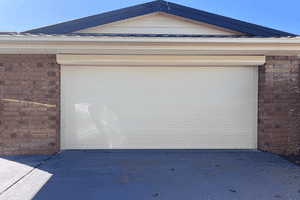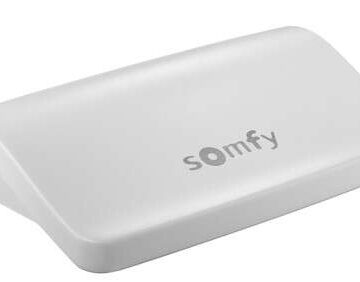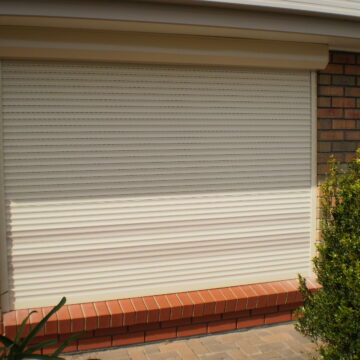
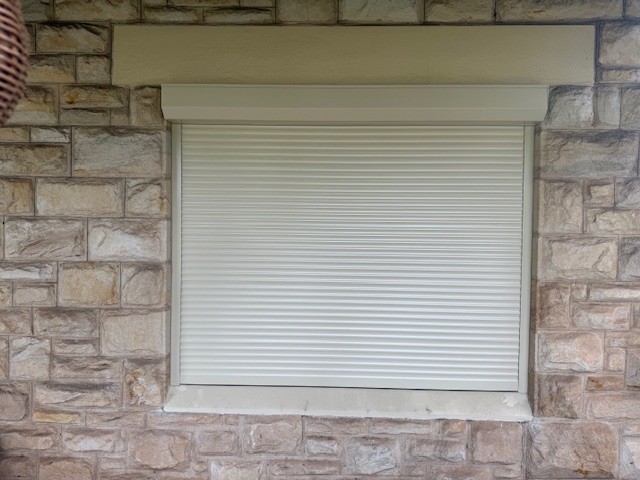
Window roller shutters are protective coverings that roll down over your windows from a box mounted above the glass. They sit on the outside of your home and give you complete control over light, temperature, privacy and security. You can operate them manually with a strap or crank, or upgrade to electric motors that let you control them with a button, remote, or even your phone.
This guide walks you through everything you need to know before buying window roller shutters for your Adelaide home or business. You’ll learn what makes them worthwhile, how to pick the right type, what options are available, and how much they cost. We’ll show you where to buy them locally and help you decide between DIY kits and professional installation. By the end, you’ll have the information you need to compare options and make the right choice for your property.
Why window roller shutters are worth it
Window roller shutters deliver immediate benefits that directly improve your daily comfort and long-term property value. You’ll notice the difference in temperature control, noise levels, and security from the day they’re installed. Most Adelaide homeowners recover their investment through reduced energy bills within a few years, while also gaining peace of mind that comes with enhanced protection. The benefits stack up quickly when you consider how they address multiple concerns with a single solution.
Security and protection benefits
Window roller shutters create a physical barrier that discourages break-ins and protects your glass from damage. Burglars typically avoid homes with roller shutters because they add significant time and noise to any forced entry attempt. You also get storm protection that shields your windows from hail, flying debris, and extreme weather events that are becoming more common across South Australia. The shutters act as a first line of defence for your property, reducing the risk of costly repairs and insurance claims.
“A quality window roller shutter can withstand impacts that would shatter unprotected glass, making it one of the most practical security upgrades you can install.”
Energy efficiency and comfort
Your heating and cooling costs drop significantly once you install roller shutters because they create an insulating air pocket between the shutter and your window. This barrier blocks heat from entering during Adelaide’s scorching summers and prevents warmth from escaping during winter nights. Studies show that roller shutters can reduce heat transfer by up to 90%, which means your air conditioner and heater don’t have to work as hard. You’ll feel the temperature difference immediately and see the savings on your next energy bill.
Noise reduction and privacy
Roller shutters block external noise from traffic, neighbours, and street activity, creating a quieter indoor environment that helps you sleep better and concentrate during the day. You can close them partially or fully to control exactly how much privacy and light you want at different times. This flexibility makes them ideal for shift workers, families with young children, or anyone who values a peaceful home environment without permanently blocking natural light.
How to choose the right window roller shutter call the experts on 83692266
Choosing the right window roller shutter depends on your specific needs, budget, and how you plan to use them. You need to consider the size and type of your windows, whether you want manual or electric operation, and which features matter most for your situation. Making these decisions upfront saves you from costly mistakes and ensures you get shutters that work exactly as you need them to. The selection process becomes straightforward once you understand what each option delivers.
Measure your windows properly
Accurate measurements form the foundation of a successful roller shutter installation. You need to measure the width and height of each window opening, including any surrounding frames or architraves you want covered. Take measurements in at least three spots (top, middle, bottom for width and left, centre, right for height) and use the largest measurement to ensure complete coverage. Professional installers will verify these measurements during a site visit, but having rough dimensions helps you get accurate quotes and understand pricing.
Different mounting options require different measurement approaches. Face-fit shutters mount to the wall surface around your window, while reveal-fit shutters sit inside the window recess. You’ll also need to check for obstacles like downpipes, air conditioning units, or garden features that might interfere with the shutter box or guide rails.
Consider your operation preference
Manual operation keeps costs down and works reliably without electricity, making it suitable for smaller windows or rooms you don’t access frequently. You operate these shutters with a strap or crank handle, which requires no maintenance beyond occasional lubrication. Electric operation costs more upfront but delivers superior convenience for large windows, hard-to-reach installations, or when you want to control multiple shutters simultaneously.
“Electric roller shutters transform how you interact with your home, letting you adjust light and temperature from your bed, couch, or even before you arrive home.”
Battery-powered options sit between manual and hardwired electric systems. They don’t require an electrician for installation, yet they still give you remote control operation with rechargeable batteries that last several months between charges.
Match shutters to your specific needs
Your climate and lifestyle determine which features deliver the most value. Properties facing west need extra heat protection during Adelaide summers, while street-facing windows benefit most from security and noise reduction. Shift workers typically prioritise complete light blockage, whereas families might value the flexibility to adjust shutters throughout the day for natural light and ventilation.
Colour selection affects both appearance and performance. Lighter colours reflect heat better but show dirt more easily, while darker shades absorb more heat but create a bolder visual statement. Consider how the shutters will look from both inside and outside your home, and whether you want them to match your existing trim or create contrast.
Types of window roller shutters and options call us and we will talk you through your options 83692266
Window roller shutters come in several distinct types that cater to different budgets, performance requirements, and aesthetic preferences. You’ll encounter variations in materials, slat profiles, operating systems, and insulation levels when comparing options. Understanding these differences helps you identify which features justify their cost and which ones you can skip without compromising on the outcomes that matter most to your property. The right combination depends on whether you prioritise security, energy efficiency, noise reduction, or all three equally.
Material choices
Aluminium shutters dominate the Australian market because they deliver the best balance of strength, durability, and weight. These shutters resist corrosion from coastal salt air and won’t warp or crack under Adelaide’s extreme temperature swings. You get colours that stay vibrant for years with minimal maintenance beyond occasional hosing down to remove dust and debris. Most manufacturers use extruded aluminium with foam insulation inside the slats for improved thermal performance.
Steel shutters provide maximum security for commercial properties or high-risk residential locations. They weigh more than aluminium and cost significantly more to install, but they create an almost impenetrable barrier that meets insurance requirements for vulnerable premises. PVC shutters exist as a budget option but perform poorly in Australian conditions, becoming brittle under UV exposure and offering limited security benefits.
Control and automation options
Manual systems with strap or crank operation suit smaller windows and tight budgets. You pull a webbing strap or turn a handle to raise and lower the shutter, which requires minimal effort for standard-sized windows but becomes tiring for larger installations. These systems need no electrical work and have fewer components that can fail over time.
Electric motors transform your shutters into a convenience feature you’ll use every day. Hardwired electric systems connect to your home’s power supply and operate via wall switches, remote controls, or smartphone apps. You can group multiple shutters together and control them simultaneously, or integrate them with smart home systems for automated schedules based on time, temperature, or sunlight levels.
“Electric operation becomes essential once you install shutters on more than a few windows, as manually adjusting multiple units quickly becomes impractical for daily use.”
Battery-powered motors offer a middle ground with wireless operation that doesn’t require an electrician. You charge the batteries every few months and enjoy remote control convenience without running new cables through your walls.
Slat profiles and insulation types
Standard slat profiles measure around 55mm and work well for most residential applications. You’ll also find curved slats that improve strength and reduce noise compared to flat profiles. Wider commercial profiles reach 77mm or more for larger openings that need extra stability against wind loads.
Foam-filled slats provide superior insulation compared to hollow designs, creating better temperature control and noise reduction. Some manufacturers offer double-skinned slats with air pockets that enhance these benefits further. The insulation level you need depends on your climate exposure and whether energy efficiency ranks as a priority or just a welcome bonus alongside security features.
Window roller shutter prices and cost factors
Window roller shutter prices vary dramatically based on size, operation type, and features you choose. You’ll pay anywhere from $400 for a basic manual shutter on a small window to $2,500 or more for a large electric system with premium features. Most Adelaide homeowners spend between $800 and $1,500 per window when they choose quality products with professional installation. Understanding what drives these costs helps you budget accurately and identify where you can save money without sacrificing quality or performance.
Basic price ranges
Manual roller shutters represent the most affordable entry point, with small to medium windows (up to 2 metres wide) costing between $400 and $800 supplied and installed. You operate these with a strap or crank, which keeps manufacturing and installation costs down since no electrical work is required. Larger windows push prices up to $900 to $1,200 for manual systems, though you’ll find the physical effort needed to raise and lower them becomes tiring for daily use.
Electric roller shutters start around $1,000 for compact windows and climb to $1,800 or more for standard sizes when you include motor installation and electrical connection. Battery-powered options sit slightly cheaper at $900 to $1,500 because they skip the hardwiring costs, though you’ll need to factor in battery replacements every few years. Commercial-sized installations and premium systems with smart home integration easily exceed $2,500 per window.
What drives the cost up
Size creates the biggest price impact because larger shutters need more material, stronger motors, and additional labour to install safely. A sliding door opening costs significantly more than a bedroom window simply due to the shutter dimensions and weight. Custom colours outside the standard range add $100 to $300 per shutter, while insulated slats with foam filling push prices up by 15% to 25% compared to hollow profiles.
“The motor and control system typically account for 40% to 50% of your total electric shutter cost, which explains why manual systems offer such substantial savings.”
Location factors also affect pricing. Difficult access areas like second storey windows or installations that require scaffolding increase labour costs considerably. You’ll pay more for installations that need modifications to existing structures or custom solutions to work around architectural features like downpipes or air conditioning units.
Installation vs DIY costs
Professional installation usually adds $200 to $400 per window depending on complexity and accessibility. This cost includes mounting the shutter box, installing guide rails, connecting motors (for electric systems), and testing everything works properly. You get warranty coverage and peace of mind that the job meets building standards and won’t damage your property.
DIY kits save you the installation labour but require confidence with power tools and basic electrical work for motorised systems. You’ll still pay the same product costs, but you can slash your total bill by 30% to 40% if you handle the installation yourself. Consider professional installation for complex situations like multi-storey homes, heritage properties, or when you’re installing multiple shutters simultaneously.
Where to buy window roller shutters in Adelaide
Adelaide offers several purchasing options for window roller shutters, from large retailers to factory-direct manufacturers. Your choice affects not just price but also product quality, warranty support, and installation expertise. Local manufacturers typically deliver better value than retail chains because you skip the middleman markup and deal directly with the people who make your shutters. You also get personalised service and faster turnaround times when working with Adelaide-based suppliers who understand local building codes and climate requirements.
Local manufacturers and suppliers
Factory-direct manufacturers like Classic Roller Shutters give you access to locally made products at competitive prices. You benefit from free in-home consultations where experienced staff assess your property and provide accurate quotes without the pressure tactics common at retail showrooms. Local suppliers also maintain spare parts inventory and offer dedicated repair services for all brands, which becomes valuable when you need maintenance or upgrades years after installation.
“Buying from a local Adelaide manufacturer ensures your shutters are built for South Australian conditions and backed by people who’ll be here when you need support.”
What to look for in a supplier
Choose suppliers who manufacture their own products rather than reselling imported goods. You want established businesses with proven track records, positive customer reviews, and comprehensive warranties that cover both products and installation. Look for companies that offer multiple operation types, custom colour matching, and flexible payment options. Suppliers who provide both supply-only DIY kits and professional installation give you more control over your budget without compromising on quality or support.
Final thoughts
Window roller shutters deliver measurable benefits that improve your daily comfort, security, and energy costs from the moment you install them. You now understand the different types available, how much they cost, and which features deliver the best value for your specific situation. The right shutters protect your Adelaide property while giving you complete control over light, temperature, and privacy throughout every season.
Making an informed choice means comparing local suppliers who manufacture quality products and stand behind their work. You’ll get better results working with experienced Adelaide businesses that offer free consultations, competitive pricing, and comprehensive warranties that cover both products and installation.
Contact Classic Roller Shutters Adelaide for a free in-home consultation and quote on locally manufactured window roller shutter systems. We’ll help you choose the right solution for your property and budget, backed by over 40 years of experience serving Adelaide homes and businesses.