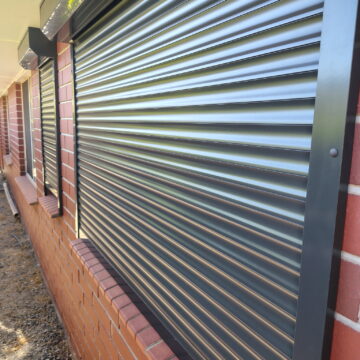
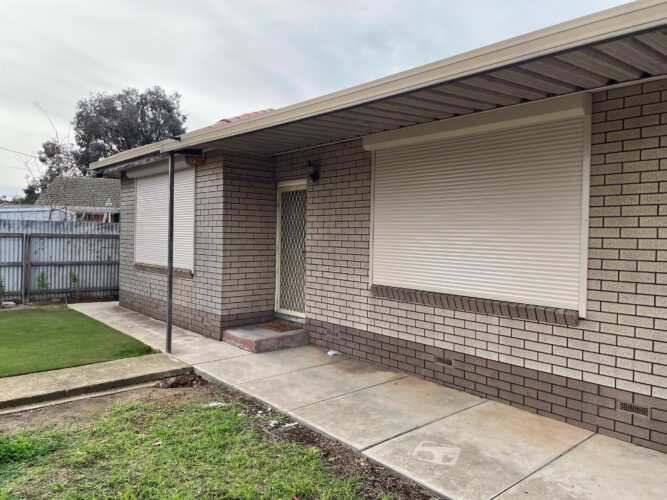
If you’ve been researching ways to improve your home’s security, insulation, or street appeal, you’ve probably asked yourself: what are roller shutters, and are they actually worth it? It’s a fair question, especially when you’re weighing them up against other window covering options available for Australian homes.
At Classic Roller Shutters Adelaide, we’ve been manufacturing and installing roller shutters for over 40 years. Across thousands of homes and businesses throughout Adelaide, we’ve seen firsthand how the right shutters handle everything from scorching summer heat to unwanted noise and security concerns. That kind of hands-on experience shapes this guide, it’s grounded in what we actually see and do, not just theory.
Below, we break down exactly what roller shutters are, how they work, the different types you can choose from, and an honest look at their pros and cons. Whether you’re building a new home, planning a renovation, or simply exploring your options, this guide gives you the practical information you need to make a confident decision.
Why roller shutters matter for Aussie homes
Australia’s climate puts homes under serious pressure. Adelaide summers regularly push past 40°C, and without adequate protection, your windows turn into heat collectors that drive up your energy bills and make rooms uncomfortable to live in. When you understand what are roller shutters and what they actually do in these conditions, the case for installing them becomes hard to argue against.
Heat, glare, and energy bills
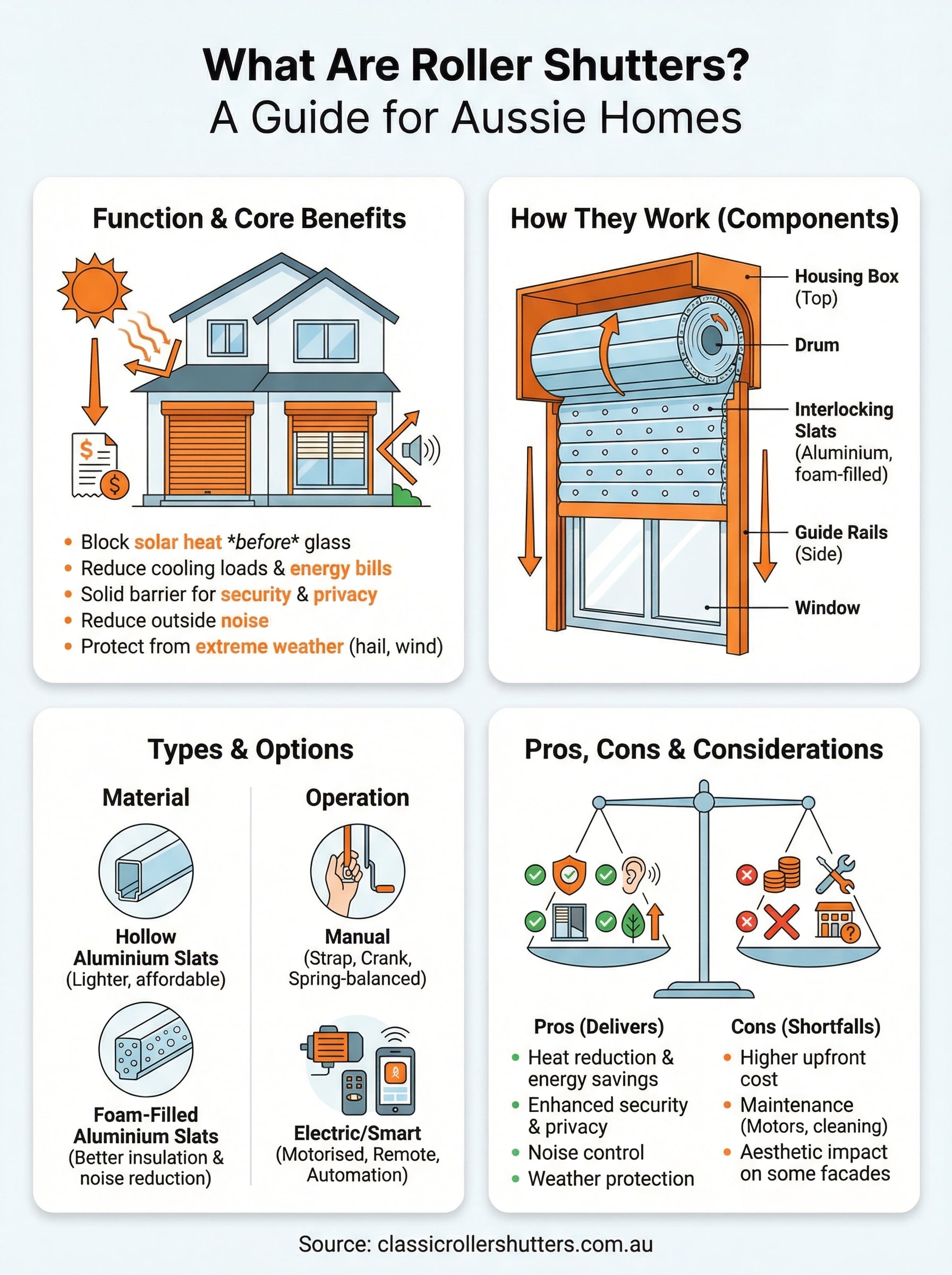
Roller shutters sit on the outside of your windows, which means they block solar heat before it even reaches the glass. That’s a fundamentally different approach from internal blinds or curtains, which let heat pass through the glass first and then try to manage it from the inside. The difference in thermal performance is significant, particularly for west and north-facing windows that cop direct afternoon sun.
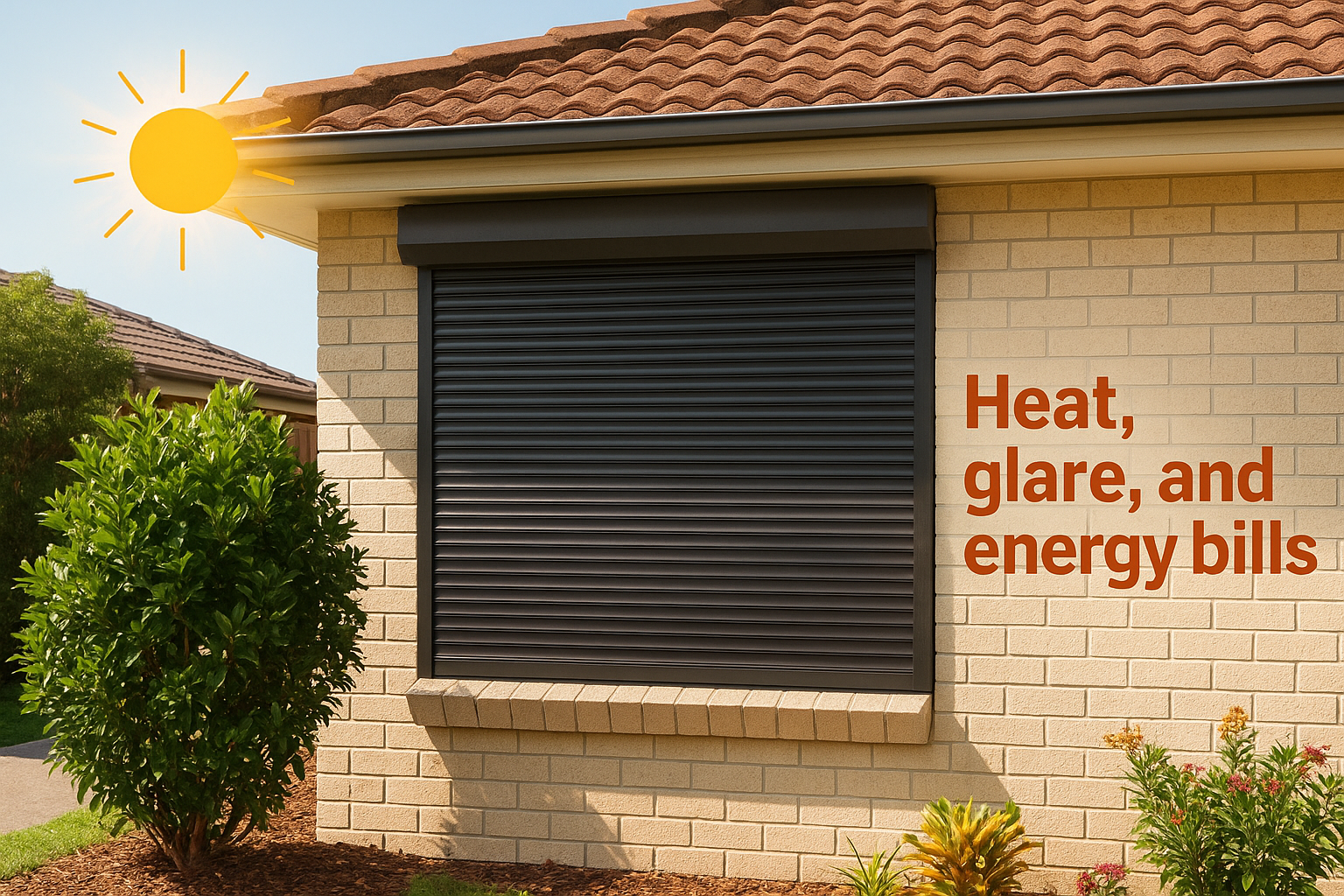
When shutters are fully closed on a hot day, they can reduce heat transfer through windows by a substantial margin, which directly lowers how hard your air conditioning has to work.
Reduced cooling loads translate directly into lower electricity costs over the course of a summer. For Adelaide households running ducted or split-system air conditioning through the warmer months, that saving adds up across each season. On top of that, adjustable slats let you control how much light enters a room without closing the shutter completely, so you’re not choosing between comfort and natural light.
Security and privacy
A closed roller shutter is a solid physical barrier between your home and anyone attempting to gain entry through a window or door. Glass alone offers very little resistance. Shutters, particularly those made from aluminium extrusions, present a far more serious obstacle that most opportunistic intruders won’t bother with.
Privacy works in a similar way. When you lower your shutters, nobody outside can see in at all. That matters for ground-floor bedrooms and street-facing living areas where standard window treatments like sheer curtains offer only partial coverage. You’re in full control of what’s visible from outside, at any time of day or night.
Noise reduction and weather protection
Adelaide doesn’t just deal with heat. Storms, wind, and heavy rain regularly come through, and single-glazed windows do very little to keep outdoor noise out. Roller shutters add a physical layer over the window that absorbs and deflects both wind pressure and sound, making a measurable difference inside the home.
For homes near busy roads, flight paths, or commercial areas, that noise reduction is often the primary reason people choose shutters. Beyond noise, shutters protect your windows from debris during storms and act as a barrier against hail damage. In a region where severe weather events are becoming more frequent, that kind of protection for your windows and frames has real practical value that goes well beyond aesthetics.
How roller shutters work
Understanding what are roller shutters at a mechanical level helps you make smarter choices about what type to buy and how to operate them. A roller shutter is built around a curtain of interlocking slats that coil around a drum housed in a box above your window or door opening. When you open the shutter, those slats roll up around the drum and sit inside the box. When you close it, they unroll and drop down to cover the opening completely.
The physical components
Every roller shutter system shares a core set of components: the slat curtain, the drum it wraps around, the guide rails on either side of the window, and the housing box at the top. The slats themselves are typically hollow and made from extruded aluminium, which gives them strength without excessive weight. That hollow profile also traps air, which is a key part of how shutters insulate against heat and noise. Guide rails keep the curtain aligned and seated properly on both sides, preventing gaps where air, light, or noise could get through.
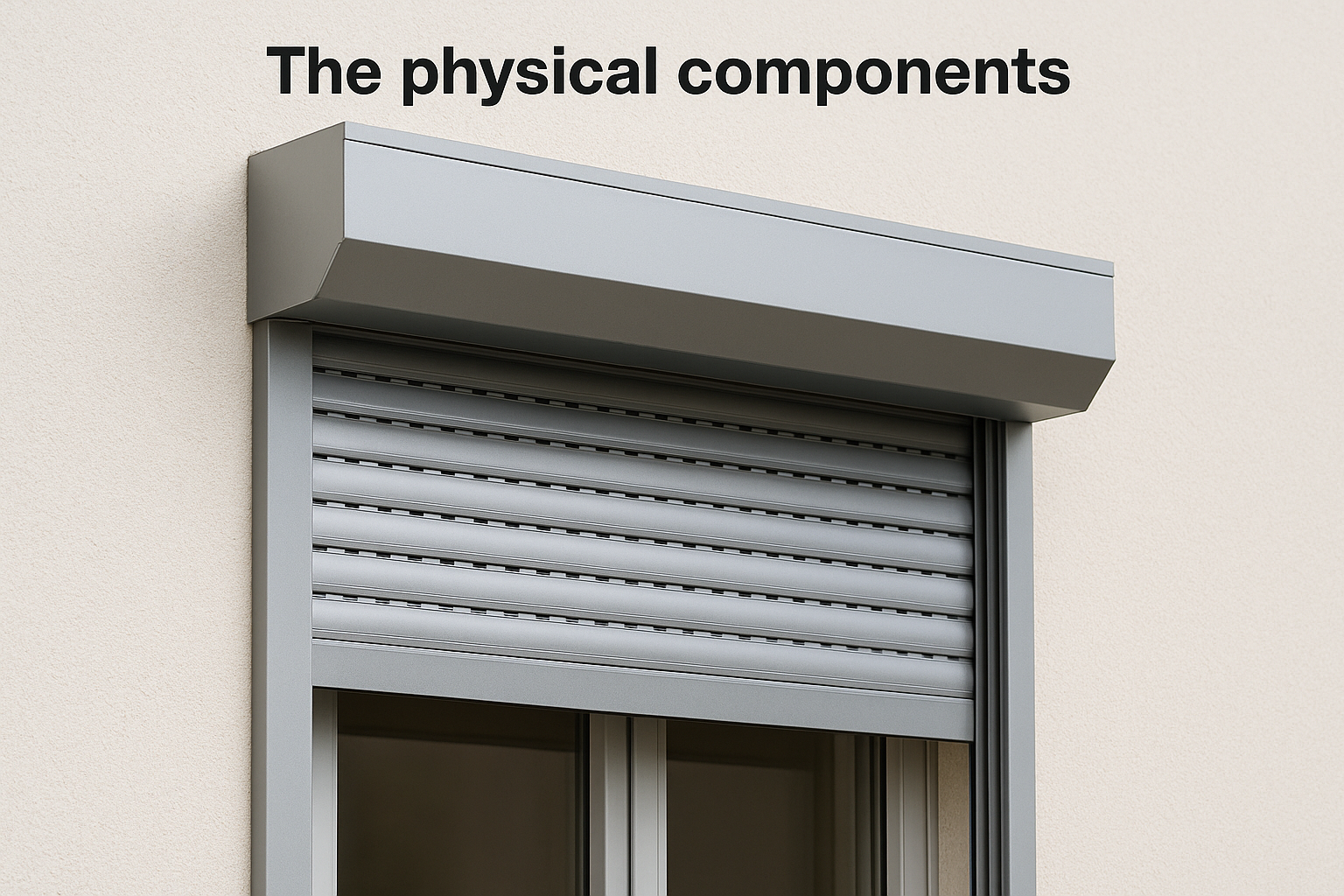
The quality of the guide rails and slat connections matters a great deal, because a poorly fitted shutter lets in far more heat and noise than a well-installed one.
Opening, closing, and control options
Roller shutters come with several different operating mechanisms depending on your preference and budget. Manual shutters use either a strap, crank handle, or push-up spring system to raise and lower the curtain by hand. These work well for smaller windows and are the most cost-effective entry point.
Electric shutters connect to a motor mounted inside the housing box and operate at the touch of a button. Motorised systems can run through a wall switch, a remote control, or a home automation setup that lets you schedule shutters to open and close at set times. For larger openings or multiple shutters, electric operation is the practical choice since manual systems become harder to manage at scale.
Types of roller shutters and key options
When you’re figuring out what are roller shutters that suit your specific situation, the range of available options can feel overwhelming at first. The good news is that most decisions come down to three things: the material and slat profile, the operating system, and any additional features like insulation ratings or integrated locks. Getting clear on each one makes the selection process straightforward.
Material and slat profiles
The slats that make up your shutter curtain are almost always extruded aluminium, but the profile shape and foam-fill level vary between products. Standard hollow slats are lighter and more affordable. Foam-filled slats trap more air inside each extrusion, which improves both thermal insulation and noise reduction noticeably. For most Adelaide homes, foam-filled aluminium slats are the practical choice given the heat and summer noise levels that come with the territory.
Choosing foam-filled slats over hollow ones is a relatively small cost difference upfront that pays back in comfort and energy savings over the life of the shutter.
You can also choose from different slat widths, with wider slats providing a more robust curtain that suits larger openings like garage doors or commercial roller doors. Colour options are broad, so matching your shutter to your home’s exterior is straightforward.
Manual vs electric and smart options
Manual shutters work through a strap, crank, or spring-balanced push mechanism and are well suited to single windows where you only need to operate one or two shutters at a time. They carry a lower upfront cost and have fewer components that can require servicing over time.
Electric shutters connect to a motor inside the housing box and operate via a wall switch or remote. You can also integrate them into home automation systems, setting schedules so your shutters close automatically before the afternoon heat builds. For larger homes or anyone with mobility considerations, electric operation is the clear practical choice.
Pros and cons of roller shutters in real life
Once you’ve worked out what are roller shutters and how they function in practice, the next step is looking at both sides of the equation honestly. Like any building product, roller shutters carry genuine strengths alongside real limitations, and understanding both before you buy helps you make the right call.
Where roller shutters genuinely deliver
Roller shutters perform well across several key areas that matter most to Australian homeowners. The combination of heat reduction, security, and noise control is difficult to match with any single alternative product. For homes dealing with hot summers, street noise, or security concerns, shutters address all three at once rather than requiring separate solutions.
- Heat and energy: Shutters block solar heat before it reaches your glass, which reduces cooling costs across summer months.
- Security: A closed aluminium shutter is a substantial physical deterrent that standard window locks simply cannot match.
- Privacy: Full blackout capability gives you complete control over what’s visible from outside, day or night.
- Weather protection: Shutters shield your windows and frames from hail, wind-driven debris, and storm pressure.
For most Adelaide homes, the combination of energy savings and security alone covers a significant portion of the installation cost over time.
Where roller shutters fall short
No product is without drawbacks, and roller shutters have limitations worth knowing before you commit. The upfront cost is higher than basic internal blinds or curtains, which can feel significant if you’re fitting out an entire home at once. Maintenance requirements are also real, as motors need occasional servicing, slats can be damaged by impact, and guide rails need to stay clear of debris to operate smoothly.
Aesthetically, some people find that large external shutters affect the look of certain architectural styles, particularly homes with feature facades or decorative window surrounds. Modern colour options and slim housing profiles have reduced this concern considerably for most standard residential builds, but it is still worth factoring in during the planning stage.
Costs, installation, and ongoing maintenance
Knowing what are roller shutters is one thing; understanding the full cost picture before you buy is just as important. Pricing varies depending on the number of shutters, the size of each opening, your choice of slat profile, and whether you go manual or electric. As a general guide, a single standard window shutter in Adelaide typically starts from a few hundred dollars and rises with size and added features.
What to expect on price
For most Adelaide homes, a complete supply-and-install project covering several windows lands in the low-to-mid thousands, depending on the scope. Electric shutters carry a higher upfront cost than manual ones because of the motor and wiring, but that gap is smaller than many people expect. Foam-filled slats and motorised systems both add to the base price, so being clear on your priorities before you get a quote helps you avoid paying for features you don’t actually need.
Buying factory-direct from a local manufacturer typically gives you better value than going through a retailer who adds a margin on top of the supplier’s price.
Getting a free in-home consultation is the most reliable way to confirm costs for your specific openings, since window sizes, wall materials, and site access all affect the final figure.
Installation day
A professional installation for a standard residential job typically completes in a single day. The installer fits the housing box above each opening, sets the guide rails on both sides, connects the curtain, and tests the full operation before leaving.
Electrical connections for motorised shutters require a licensed electrician, which reputable installers handle in-house or coordinate directly. Confirming your installer covers this as part of the service saves you the hassle of organising a separate tradesperson.
Keeping shutters in good shape
Routine maintenance is straightforward and doesn’t require specialist tools for most tasks. Keeping your guide rails clear of debris, lubricating moving parts once or twice a year, and wiping down slats regularly keeps most shutters running well for years. Motors on electric shutters occasionally need servicing, and damaged slats can be replaced individually without swapping out the full curtain, which keeps repair costs manageable.
Final word
Now that you understand what are roller shutters and how they perform across security, insulation, noise reduction, and weather protection, the decision comes down to your specific situation. For most Adelaide homes, the combination of benefits is difficult to match with any other single window covering product.
Roller shutters are not the cheapest option upfront, but they are one of the most practical long-term investments you can make in your home’s comfort and security. Whether you are building new, renovating, or simply replacing an outdated solution, the right shutter suits your openings, your operating preference, and your budget.
If you want straight answers and honest advice from a team that manufactures locally and has installed shutters across Adelaide for over 40 years, reach out to the team at Classic Roller Shutters Adelaide for a free in-home consultation. Getting a quote costs you nothing and gives you a clear picture of exactly what your project involves.